A factory visit should change a purchasing decision. If the visit ends with photographs of assembly benches but no answer about your intended product, it has not done enough. A useful small appliance factory audit checklist connects what the buyer sees on site to a named model, the proposed order and the evidence still needed before sampling or production.
This guide is for importers, private-label brands and sourcing teams assessing a household food-preparation appliance supplier in person. It covers the practical route through product scope, component control, assembly, inspection and packing. It is not a substitute for a legal compliance assessment, a product-specific laboratory test or an inspection of a finished shipment. Those activities can follow, but each answers a different question. The result of this visit should be a short decision record: proceed with a defined sample, resolve specific gaps, commission a narrower assessment or stop the inquiry.
Build a small appliance factory audit checklist around the order
Before booking travel, identify the product and the decision the visit must support. “Can this factory make small appliances?” is too broad to test in a morning. “Can this factory supply the bowl chopper configuration we plan to sample for our European retail range?” gives the visit a route. State the product family, proposed model or reference photo, target market, electrical version, branding changes, packaging approach and expected order structure. Mark which points are agreed and which are only requests.
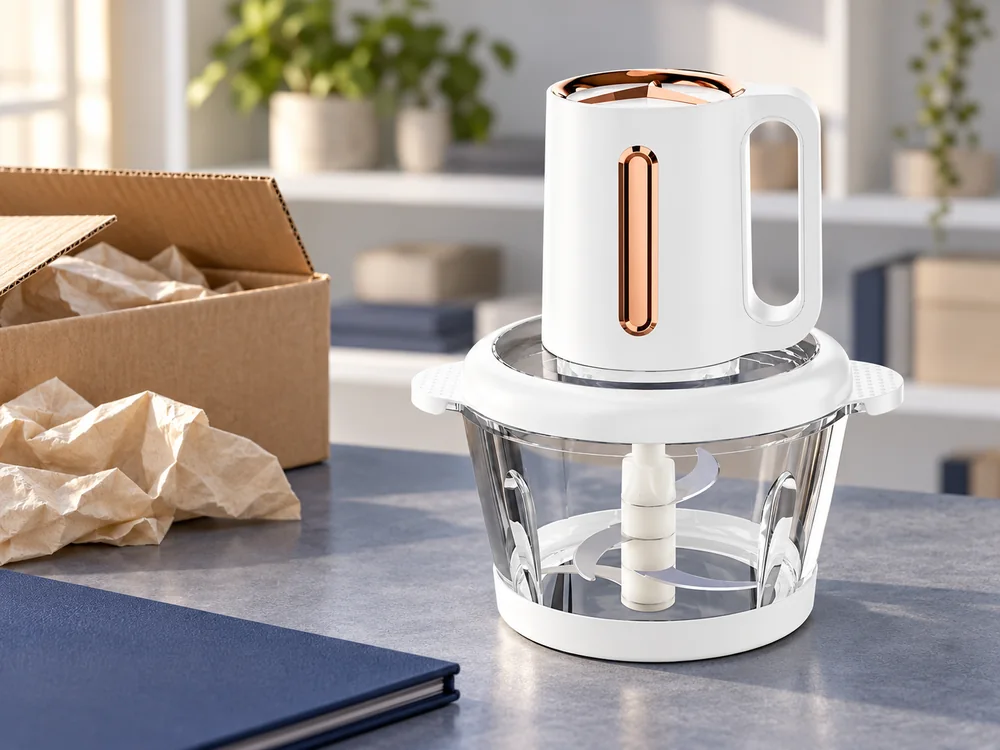
JINJIE’s meat chopper range illustrates why a category name is not enough. Bowl material, capacity, control format and matching parts vary. A visitor looking at a motor assembly station should know whether it relates to the model under discussion. A process can be shared across products without proving that the demonstrated unit has the same bowl, blade, electrical version or finished specification as the proposed purchase.
Choose the visit scope according to the stage of the deal. A prospective supplier assessment should establish product fit and the route to a credible sample. A production-readiness visit should follow an approved version through the relevant operations. A visit prompted by a recurring defect should concentrate on the part, process and corrective action behind that defect. Using one exhaustive checklist for all three situations consumes time and produces weak conclusions.
| Buying decision | Product reference to carry | Most useful on-site route | Decision after the visit |
|---|---|---|---|
| Shortlist a new supplier | Proposed model, market and intended changes | Relevant product, people responsible and production route | Request a defined sample or reject the fit |
| Release an approved configuration | Approved sample, specification and packaging version | Version control at parts, assembly, checks and packing | Close gaps before production release |
| Investigate a recurring issue | Affected model, defect description and order history | Specific part or station, detection and corrective-action record | Decide on containment and verification |
| Prepare a repeat order | Last approved version and change list | Changed components, instructions and packing materials | Confirm what must be reapproved |
The table is a way to allocate attention, not a factory rating. If the host cannot show your selected model running, ask which nearby activity genuinely shares the same operation and record the difference. A later identified sample, work instruction or focused demonstration may close the gap. Do not stretch a related-product observation into proof of your exact version.
Follow one version from components to the finished unit
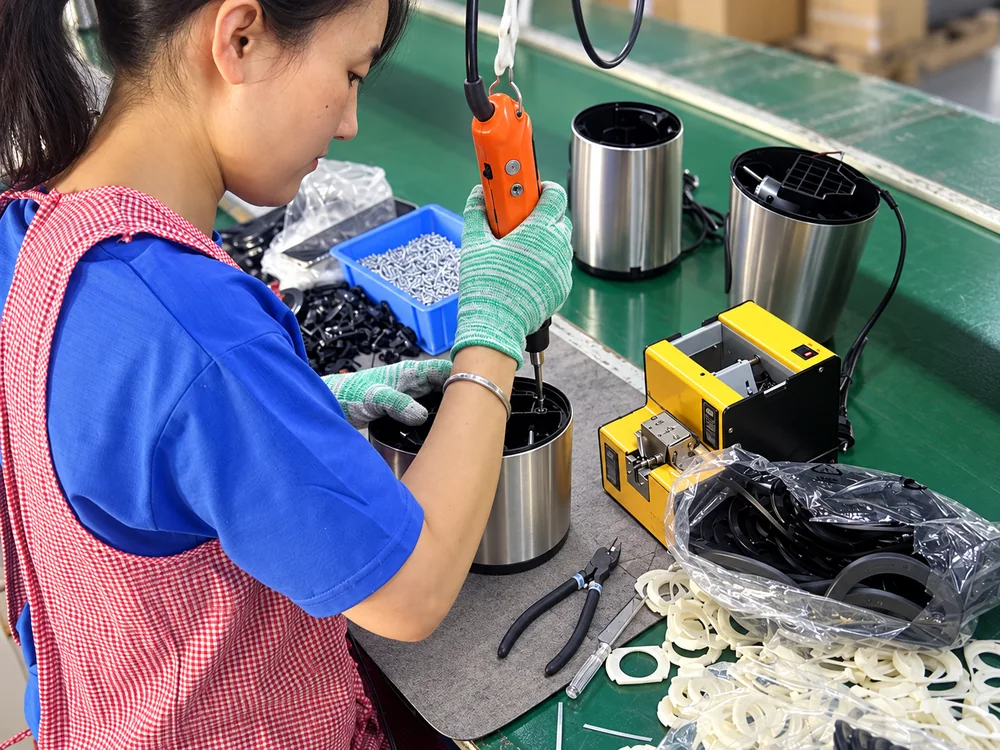
On arrival, ask the host to identify one current or recent product route that is relevant to your inquiry. Start with the version reference. What distinguishes it from a neighboring configuration? Where is that distinction visible to the person picking parts? The answer might involve a part code, labeled container, designated location or controlled work instruction. The form matters less than whether an operator can use it consistently at the point of work.
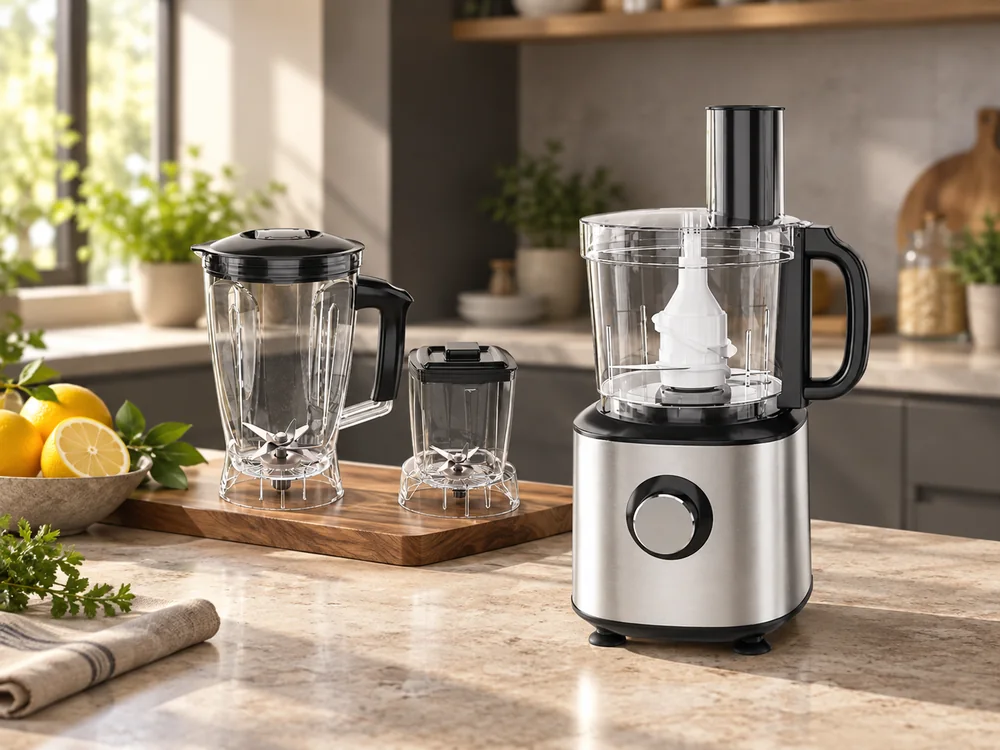
Stand at a component station long enough to see the relationship between incoming parts and the build. For a food chopper, the motor head, lid, bowl and blade must belong to a compatible set. For a blender, a jar and blade assembly need to match the proposed base. These are questions about identity and fit, not invitations to disassemble equipment or infer hidden specifications from appearance. Ask how a changed part is introduced and what prevents the earlier part being picked after the change.
At assembly, look at the current instruction or reference available to the operator. Ask what is checked on the first unit after a version change, who accepts the result and where a disagreement goes. If the factory uses a visual sample, determine whether it is identified and current. A visitor should not demand that a station be interrupted or a safety practice bypassed for a demonstration. An explanation and a later controlled example are preferable to a staged action that does not reflect normal work.
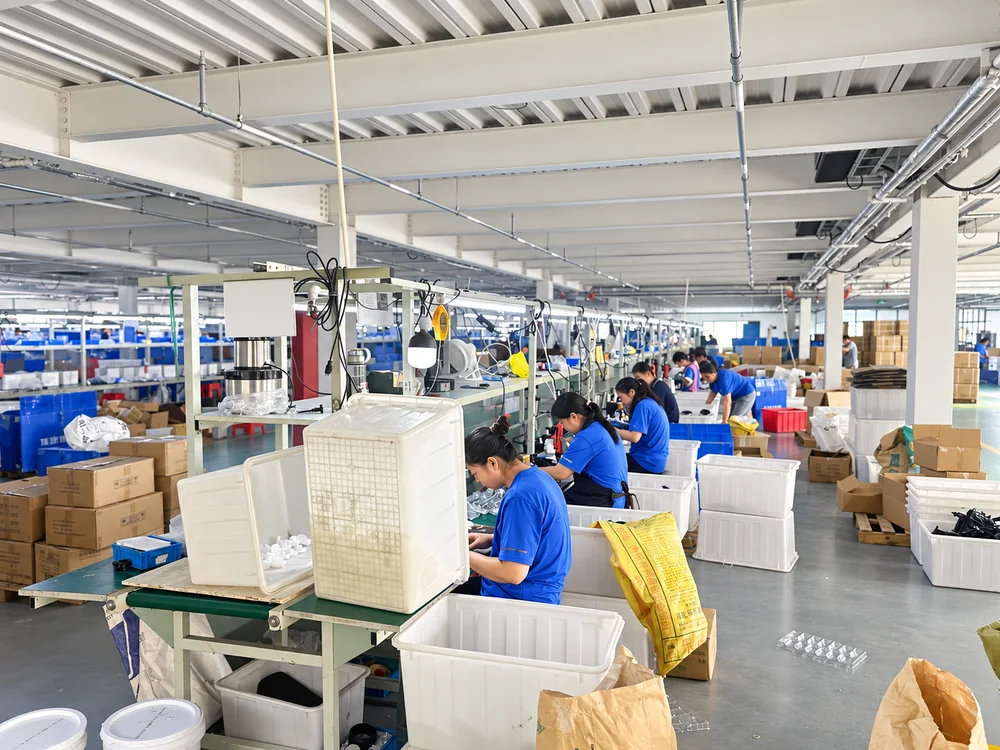
The JINJIE manufacturing page describes the company’s broad route through preparation, assembly, inspection and packing. During a visit, use that route as a map, then verify the steps that matter to your particular purchase. A photograph of an assembly line shows a real activity; it does not alone establish which model, revision or order is being built. The audit gains value when the product reference can be followed across the handoffs.
Ask one practical “what if” question at each handoff. What happens if two visually similar housings arrive together? What happens if an accessory is missing? What happens if a work instruction and the physical sample disagree? The useful answer names the person who stops or segregates the affected material, the record used and the condition for release. A polished general description of quality culture is less informative than one coherent example of a discrepancy being contained.
Avoid interpreting neatness as proof of process control. A tidy bench can still hold an outdated component, and a busy bench can be operating under a clear reference. Note observations precisely: “two labeled containers were shown beside the station” is an observation; “all parts are fully traceable” is a much wider claim. If traceability matters, ask someone to follow one component reference into the assembly record and explain where the trail would stop.
Test whether quality records answer your specific risk
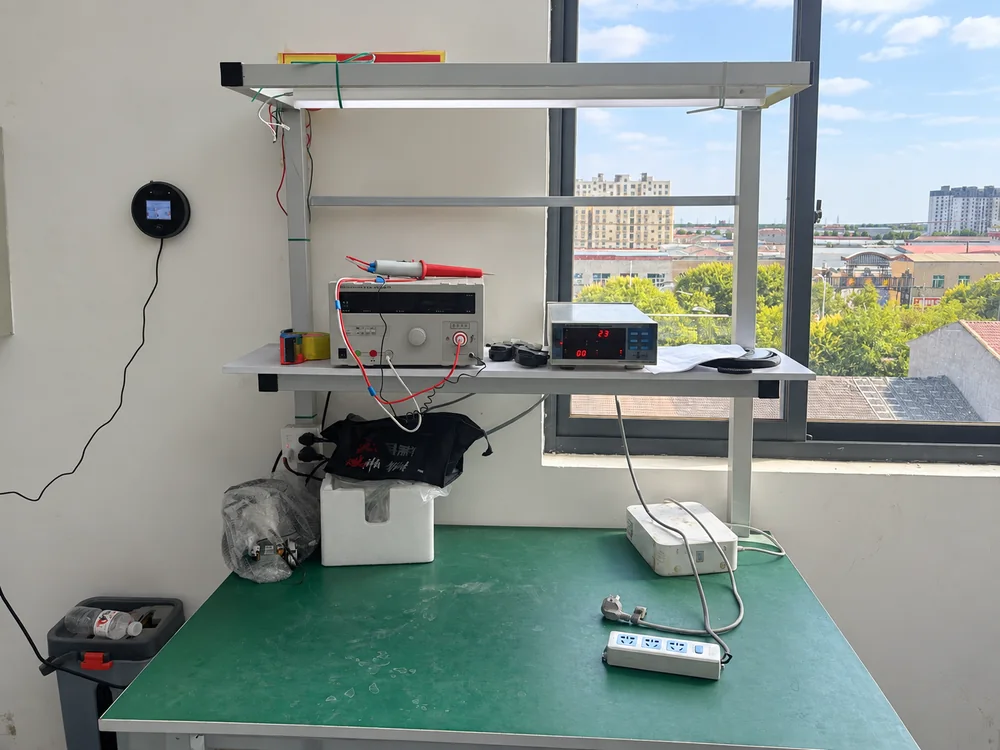
Inspection equipment is worth seeing, but the instrument is not the result. Choose a risk arising from the proposed product: an incorrect electrical version, a mismatched accessory, a jar or bowl fit problem, a label error or a packing omission. Ask which check is intended to detect it, when the check occurs, what reference it uses and how a failure reaches a decision-maker. A buyer need not prescribe every factory procedure to understand whether a meaningful control exists.
For a motorized appliance, a powered check may be relevant. Its meaning depends on the product identity, method, conditions and acceptance basis. Do not treat a short demonstration as evidence of duty-cycle suitability or market compliance. Likewise, a single photograph of a test bench cannot establish that every model receives the same test. The JINJIE quality and testing page describes categories of checks; ask for the applicable scope and record for the version being discussed.
Consider how the team responds to a failed check. Request a redacted example if one is available: what was found, which material was affected, what was done before work continued and who reviewed the result? A supplier may reasonably protect another customer’s identity. It should still be possible to explain the path from finding to containment and closure. If the example concerns a different appliance, use it to understand the process while keeping model-specific conclusions open.
Do not reduce the visit to a yes/no score for every instrument you saw. A supplier may perform a required check at another stage or use an external laboratory for a test that is outside the factory. Conversely, equipment present on site is not proof that the proposed product has passed anything. Record what check was demonstrated, which product it related to and the document still needed for your target market. This separates capability discussion from actual order evidence.
Where the buyer has a known defect history, provide examples before the visit. “The lid sometimes fails to seat after a bowl change” is more actionable than “improve quality.” Ask whether the sample and incoming component checks are capable of detecting that fit issue, and how the team would identify the affected batches if it appears in production. The answer determines whether to ask for a revised sample, an added check or a supplier corrective-action response.
An on-site audit also has limits. It samples a moment and the route you were allowed to see. It cannot certify a future shipment, guarantee a yield or replace a market-specific compliance file. Use the visit to direct the next verification step. If the main risk is finished-goods variation, a later inspection against the approved version may be more useful than another factory tour.
Inspect the handoff from approved sample to packaging
Many purchase problems emerge after the product itself has been chosen. A buyer approves a sample, then requests a plug, color, manual or retail-box change. The factory may need to update more than one reference. At the relevant station, ask where the latest approved sample or specification is held and how the people preparing components, assembly instructions and packing materials receive the change.
The distinction between a standard platform and a changed product matters. JINJIE’s OEM and ODM overview describes routes for existing-product customization and more involved development. For an audit, do not assume all requested changes have already been approved because the supplier offers customization. Ask which elements are available for the selected model, which require a new sample and which affect tooling, documentation or testing. Then check whether the on-site references reflect the version actually quoted.
Packing is a useful final cross-check. Compare the physical contents visible at a packing station with an identified contents list: main unit, matching accessories, manual, plug version, inner protection and outer mark as applicable. If the line is packing for another customer, do not read their artwork as your approved design. Ask the host to explain the method of matching artwork and contents without exposing confidential details. Your actual packaging approval remains a separate step.
Follow a completed carton far enough to see how it is identified for storage or shipment. What links a carton to the order and version? How are mixed models kept distinct after packing? A warehouse full of cartons indicates activity, not available capacity or the lead time for your next order. Scheduling requires a proposal tied to your quantity, component readiness, artwork approval and any further sample work. Request those dependencies explicitly rather than inferring them from floor volume.
If production of your selected configuration has not started, say so in the report. The visit can still establish the supplier’s general route and reveal the remaining approval work. It cannot show the actual completed order. That distinction protects both sides: the supplier is not credited with evidence it has not produced, and the buyer can see exactly which follow-up is needed before committing.
Convert observations into a purchasing decision
The most useful audit notes distinguish observation, explanation and requested evidence. Photograph only where permitted. Record the date, area, product reference and reason an image matters. A photograph without a model or operation label is easy to misread several weeks later. Keep a short list of exceptions during the visit and review it with the host before leaving, so a simple misunderstanding can be corrected while the station is available.
Use an evidence log rather than a generic score. An audit score can hide a single unresolved issue that controls the entire purchase. A missing model-specific electrical document may matter more than a collection of tidy photographs. Assign each open point to a buying decision and specify what would close it.
| Open question | What was observed on site | Follow-up evidence to request | Buying action until closed |
|---|---|---|---|
| Is the sampled unit the quoted version? | Model shown and visible configuration | Identified sample reference and matching specification | Do not approve the changed version |
| Can similar components be separated? | Containers, labels and operator selection method | Example of the relevant part reference at the station | Hold release if the wrong part could enter the build |
| How is a failed check handled? | Inspection point and explanation of response | Redacted finding, containment and closure example | Define a focused quality follow-up |
| Is private-label packing controlled? | Current contents and packing route | Approved artwork and contents revision for this order | Keep packaging approval open |
| Is the proposed timing credible? | Relevant route and current work | Order-specific schedule with approval dependencies | Request dates for the agreed configuration |
Close with one of four outcomes. Proceed to a defined sample when product fit is credible but the buyer still needs to test the selected configuration. Proceed toward production only when the approved version and relevant controls are clear enough for that decision. Commission a targeted follow-up when a decisive operation or record was unavailable. Stop or replace the supplier when a core product requirement is outside its confirmed scope or an essential question cannot be answered after a fair opportunity.
Avoid turning every small finding into a rejection. An unclear carton mark can often be resolved before printing. A part-substitution question that affects the functional build may require sample reapproval. The decision should reflect consequence and reversibility, not the number of observations on the page. Specify the person responsible and a date for each follow-up. If several findings depend on the same missing version reference, resolve that reference first.
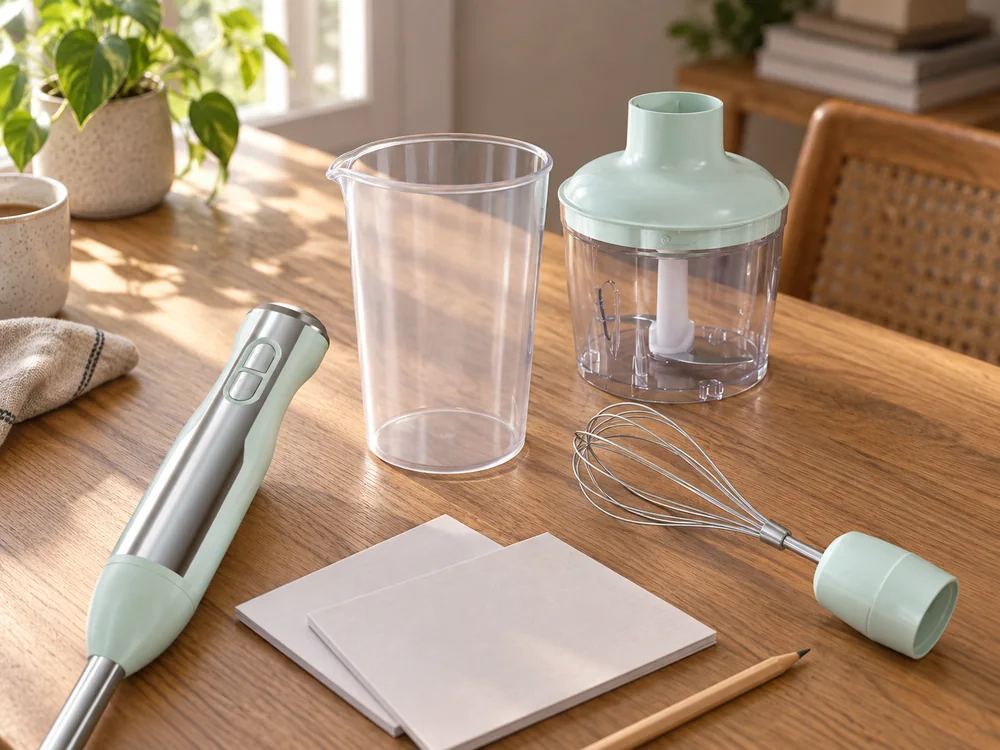
Compare suppliers using the same purchase brief and the same decision threshold. One factory may offer a more polished tour; another may show a clearer link between sample, instruction and finished unit. Record both strengths and gaps against the order you intend to place. Do not interpret a site visit as a recommendation for all of the supplier’s product families. When your range spans choppers, blenders and hand blenders, assess the additional category-specific parts and checks before extending the conclusion.
Prepare a follow-up that the factory can answer
For a new private-label line, the next step may be an identified sample request. State the required electrical version, visible configuration, accessories and packaging scope. For an existing line moving supplier, include the previously approved reference and the differences you can accept. For a repeat order, identify changes since the last accepted shipment. The audit record should make those next steps easier, not replace the sample or contract documents.
Ask for a quotation only against the scope now understood. If the site visit revealed a proposed material change, additional accessory, different plug or revised packaging route, the earlier price may no longer describe the same product. Request an updated, itemized offer and distinguish one-time work from recurring unit cost when applicable. Do not insert assumed MOQ, lead time or certification status into your internal approval merely because these topics were discussed verbally.
Where the factory could not show a relevant operation, make the follow-up narrow. Request a dated, identified example for that operation, a future visit while the selected product runs or a sample check by a competent third party. A repeat general tour is rarely the best answer to a specific missing link. If independent verification is required by your organization, define its scope and acceptance basis separately from the supplier’s own review.
The visit is complete when the buying team can say what it learned, what remains unproven and what decision is justified now. If you are assessing JINJIE, send the proposed product or model, destination market, expected quantity and the question you need the factory visit to resolve through the project inquiry page. That gives the discussion a product route and lets the team identify which evidence can be prepared for the relevant visit or sample stage.
Conclusion
A small appliance factory audit checklist earns its place when it helps the buyer make a narrower, better-supported decision. Begin with a named product and purchase stage. Follow the version through parts, assembly, checks and packing. Record observations without turning every visible machine into proof of a particular order. Then close the visit with an identified sample request, a production-readiness decision, a targeted follow-up or a documented reason to stop.
FAQ
What if the product I want is not running during the visit?
Ask which operations shown are genuinely shared with your selected model and record the differences. Request an identified work instruction, sample or later observation for the step that controls your decision. Do not describe another customer’s running line as evidence that your version is ready for production.
Can photographs replace access to factory records?
They can document a visible station or product, but usually not the full decision path. If a record contains another customer’s details, ask for a redacted example preserving the product identity, type of check and follow-up. Judge whether it answers your question rather than requiring an unrestricted copy.
Should the buyer audit every product category in one visit?
Only if the visit time and relevant operations allow it. Start with the product driving the immediate purchase. For other categories, identify what is shared and what must be checked separately, such as different containers, electrical versions or packaging materials. Do not extend a chopper finding automatically to a blender order.
When is a separate pre-shipment inspection still useful?
When the buying decision concerns the finished goods in a particular order. A factory visit can explain controls and readiness; a shipment inspection checks identified units and cartons against agreed requirements later. Plan it around the approved product and acceptance criteria, not as a substitute for resolving a known sample-version mismatch.