A retailer asks for an exclusive appliance because it plans to invest in photography, customer support and a new product launch. The manufacturer asks for a larger purchasing commitment. Before accepting, the retailer needs to establish what competitors would actually be prevented from buying and whether that protection is worth the additional stock exposure.
Small appliance OEM exclusivity can refer to quite different arrangements: a buyer’s brand and artwork, a defined product configuration, a territory, a sales channel or a particular developed design. Those objects do not provide the same commercial protection. A proposal that leaves them mixed together is difficult to price and difficult to operate.
This guide helps private-label buyers frame an exclusivity discussion around a real household-appliance offer. It does not state that JINJIE grants exclusive rights, sets a standard purchase threshold or accepts a particular restriction. Availability and terms require a specific proposal. Contract enforceability and competition questions need appropriate advice for the actual arrangement and markets.
Identify the investment you want to protect
Start with the commercial reason for exclusivity. A buyer introducing a common platform under its own brand may mainly need control over its identity and supplied files. Another buyer may fund a genuinely distinct product feature and want a defined period to recover that investment. A distributor may be concerned about another appointed seller in the same territory. These concerns call for different discussions.
Write down the expenditure or exposure behind the request. Examples include a product-specific launch campaign, channel preparation, an agreed development contribution or stock needed to serve a defined customer base. Separate those amounts from costs the business would incur even without exclusivity. Routine photography alone does not establish that an unrestricted factory product must become globally unavailable to other buyers.
Then describe the competing activity that would damage the investment. Is the concern another seller using your brand assets, a second buyer obtaining the identical special configuration, or another distributor approaching the same accounts? A broad statement such as “no competition” does not tell either party which transactions it would affect.
Use that explanation to compare narrower options. Brand-file control may address an identity concern without requiring a larger order. A limited configuration or launch period may be more relevant than a prohibition covering every product the manufacturer makes. Narrower protection is not automatically sufficient, but it can avoid paying for restrictions that do not help the actual business.
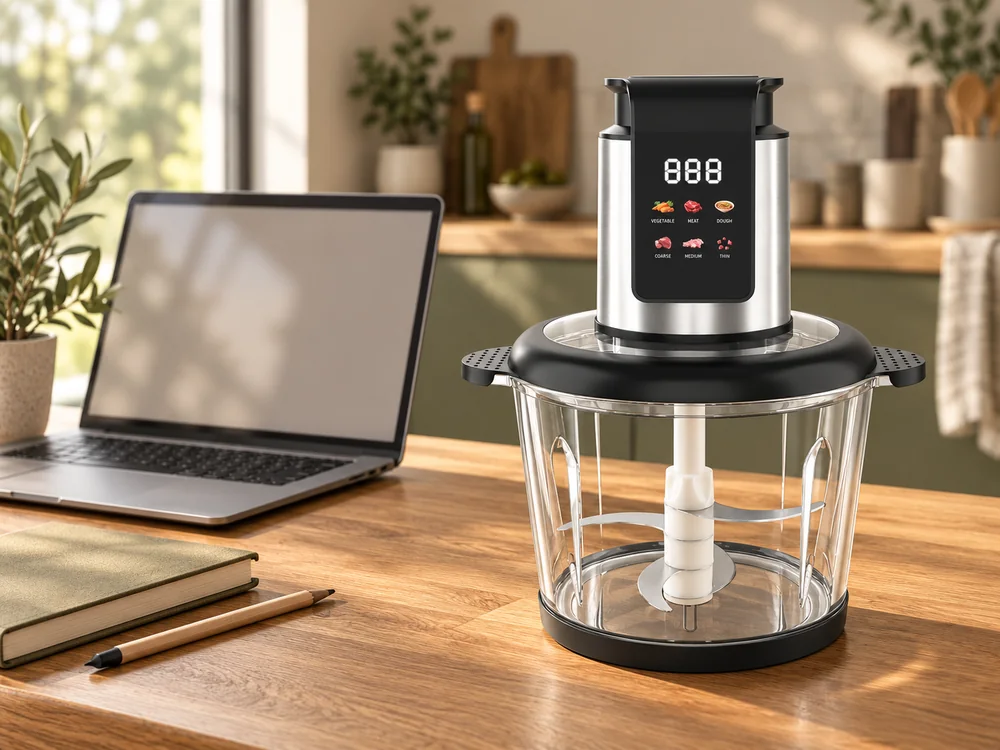
Browse the JINJIE blender product range to identify the appliance platform you want to discuss. A model reference such as PBJ-01 identifies a product in the proposal; it does not establish that its design or availability belongs exclusively to one buyer.
Define the object before discussing the territory
Brand ownership and product exclusivity need separate treatment. A manufacturer should not be given unrestricted permission to use a buyer’s artwork merely because it supplies the product. Equally, placing your logo on a standard appliance does not by itself explain why a different brand could not buy a similar platform.
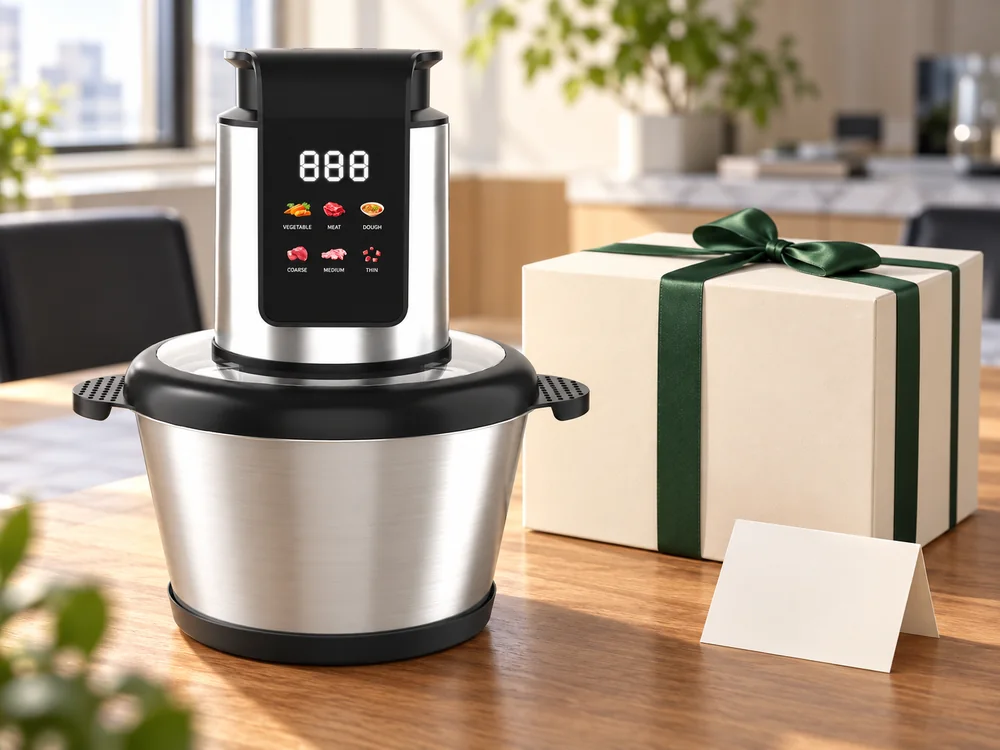
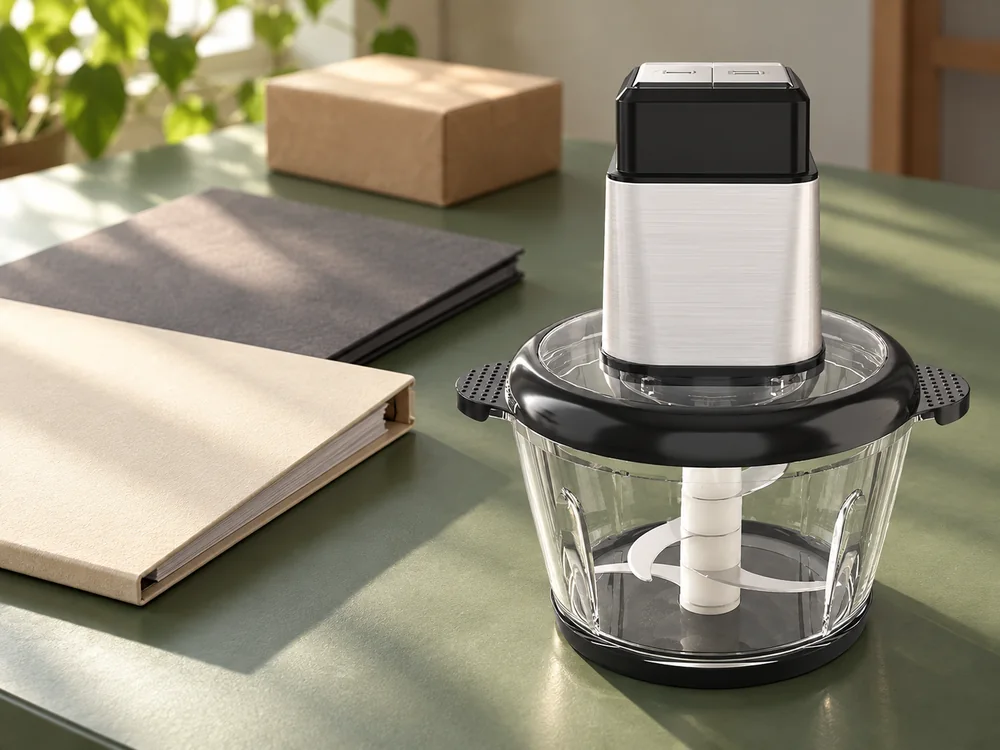
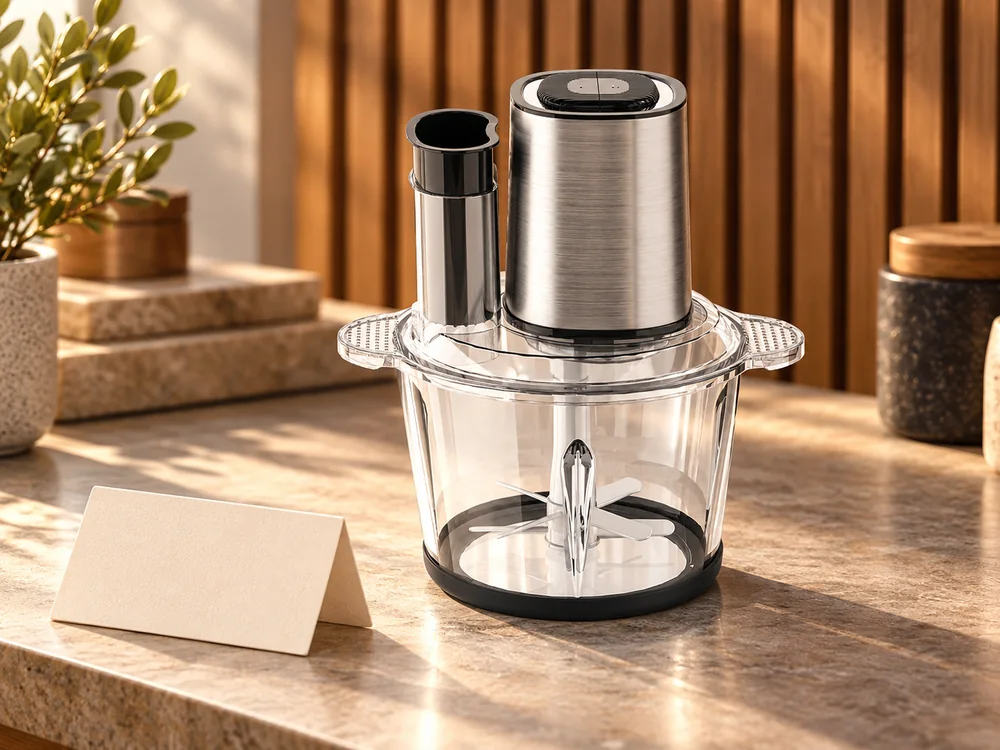
Describe the complete configuration the requested restriction would cover. Include the actual model and the features that make the offer distinct. If a selected control layout, finish or supplied set matters, identify it accurately rather than describing an entire category as exclusive. A photograph can help identify the reference, but it cannot resolve every boundary between a protected version and a permitted alternative.
Consider changes while drafting the scope. If the special finish changes, does the arrangement still cover the revised version? If a standard motor unit is used with another supplied set, is that another product or an excluded configuration? The answer depends on the intended protection. Leaving these questions until a competing offer appears makes them much harder to settle.
Keep intellectual-property rights distinct from the sales restriction. Ownership or permission to use artwork, confidential development information and any relevant registered rights need their own basis. Paying a development invoice does not, on its own, establish every right in a design or tool. Do not transfer another supplier’s restricted information merely to make the new proposal more specific.
| Proposed protection | Define the actual object | Purchasing implication |
|---|---|---|
| Buyer identity and artwork | Brand files, approved marks and permitted use | Set the use boundary without assuming a product monopoly |
| A special configuration | Identified model, distinguishing features and agreed supplied set | Compare the restriction with the extra commitment it requires |
| A launch window | Product reference, beginning event and end date | Fund the launch against the actual protected period |
| Territory or appointed channel | Markets, sales activities, accounts and exceptions | Assess whether the restriction reaches the competition that matters |
| Developed design or confidential work | Rights, authorized information and project scope | Resolve authority before relying on exclusive access |
Test the territory and channel against real selling activity
An exclusive territory is only useful if both parties understand which activity falls inside it. A manufacturer supplying another importer, a distributor approaching a protected account and an independent reseller moving stock across borders are not the same event. A supplier may be able to control its own appointments or direct sales but not every later transaction involving the product.
Explain where your customers are and how you reach them. A retail brand selling through its own website has a different concern from a distributor supplying named stores. Marketplace availability can cross boundaries that look simple on a country list. Define the activity you want restricted instead of assuming a geographical heading answers these operational questions.
Discuss existing customers and orders before treating an arrangement as a clean start. Another buyer may already have an accepted order or a continuing relationship. If exceptions are necessary, assess their commercial effect before accepting the protection. A narrow exception can matter more than a large territory on the cover page.
Avoid describing supplier protection as a guarantee that nobody else will sell a competing appliance. Similar-looking products may come from other manufacturers. Independent sellers may offer previously acquired stock. The question is whether the proposed restriction meaningfully addresses the identified supplier-controlled competition, not whether it removes the whole market.
For U.S. arrangements, the Federal Trade Commission explains that exclusive-dealing contracts are common but can raise competition concerns depending on their circumstances and effects. That context is a reason to obtain appropriate review, not a conclusion that a particular proposal is lawful or unlawful. Use the relevant review for the actual scope rather than a generic legal sentence copied into every inquiry.
Price the obligation that buys the protection
A larger order can be an acceptable commercial exchange for useful protection. It can also leave a buyer with inventory purchased mainly to maintain a label in the agreement. Compare the additional obligation with realistic demand and available cash before negotiating the wording in detail.
Use one consistent quantity basis. A forecast, a binding order and a target used to review the relationship are different commitments. State which one the proposal requires. If the arrangement covers several models or destinations, establish which purchases count and whether one version’s volume can support protection for another.
For an invented example, suppose a buyer expects to sell 1,000 units during the proposed term. A protection proposal requires purchases of 1,500 units on the same basis. The extra 500 units, at an assumed landed cost of USD 20 each, tie up USD 10,000 before additional storage or financing costs. These are planning figures, not a JINJIE threshold or quote.
The calculation does not prove the arrangement is poor value. Demand may justify the larger quantity, or the protected offer may support a better commercial proposition. It does show the question the buyer must answer: what credible benefit offsets the extra cash and stock exposure? Avoid treating expected exclusivity as confirmed sales for those additional units.
Compare timing as well as the total. A commitment to buy throughout a term can affect replenishment differently from one opening purchase. If the business has not tested the product proposition, committing the whole quantity early may remove the flexibility the launch needs. Ask whether an alternative structure is available; do not assume the manufacturer must accept staged purchases.
Separate purchase obligations from the costs of becoming ready to sell. Branding, product evaluation, content, market review and packaging work may still consume budget. A commitment that fits the goods budget but leaves no cash to launch the protected product does not solve the buyer’s original problem.
Connect the term to a product that can actually launch
The starting event changes the value of a protected period. Signature, first order, completion of agreed approvals and receipt of saleable stock are not interchangeable dates. If protection begins long before a buyer can sell, preparation consumes part of the commercial window.
Map the unresolved dependencies before fixing that event. The selected configuration may still need evaluation. Branded presentation may require its own approval. Market-version evidence or buyer-side channel preparation may also be open. Determine which items affect the launch and who can resolve them. Missing information calls for a dependent decision to remain open, not an automatic rejection of the manufacturer.
Use an evaluation sample to answer an unresolved product-selection question. After selection, an approval reference may still be needed for the agreed production configuration and presentation. Exclusivity is not a substitute for either task. It makes little sense to secure a version the business cannot accurately describe or accept.
The JINJIE OEM and ODM discussion can connect the proposed platform, branding and project requirements. Put the exclusivity request beside that product scope, not ahead of it as a general promise covering future appliances that have not been evaluated.
Build a practical schedule from the protected period and launch dependencies. Record the expected events and the consequence of a material delay. A buyer should not silently assume that every delay extends the term, and a manufacturer should not be treated as having approved a launch date that was only an internal retail target.
Make performance reviews usable for both sides
An exclusivity proposal needs an operating decision when actual demand differs from plan. Identify how performance will be assessed and what a shortfall means. A period of weaker sales may justify a narrower protected scope, a different replenishment plan or ending the arrangement under its agreed conditions. It should not automatically be described as a quality failure.
Distinguish the buyer’s demand problem from a supply constraint. If agreed goods were not available, the same volume outcome can have a different cause from an available product that customers did not buy. Record the relevant orders and events on a common basis rather than comparing one party’s sales forecast with another party’s production schedule.
Agree a route for reviewing concerns about overlapping offers. Useful information identifies the product, seller, market and activity in question. A photograph of a similar appliance is a lead to investigate, not complete proof that the manufacturer broke an obligation. Give the responsible party a defined issue to answer.
Treat confidentiality as part of the operating arrangement. The parties may share forecasts, launch timing or development information that should not circulate freely. WIPO’s trade-secret guidance distinguishes confidential technical and commercial information and the steps needed to protect it. A confidentiality arrangement does not, by itself, create exclusive sales rights; keep those purposes clear.
Use the JINJIE quality and testing discussion for the checks relevant to the selected appliance. Product acceptance, a supply issue and a suspected overlap in sales scope require different evidence and different responses. Combining them into one unsupported accusation makes a useful remedy less likely.
| Finding in the proposal | Decision still needed | Appropriate next action |
|---|---|---|
| Own-brand assets are the main concern | Whether broader product restriction adds value | Resolve permitted asset use, then reassess the larger request |
| Protected configuration is not identifiable | Which actual competing supply would be restricted | Define the version before pricing the obligation |
| Commitment exceeds credible funded demand | Whether protection justifies the extra exposure | Compare a narrower proposal or decline that structure |
| Important scope or launch answer is missing | Whether the dependent commitment can be approved | Request clarification and hold that approval |
| Agreed protection cannot meet a mandatory need | Whether another available arrangement would work | Reject that arrangement, not every possible manufacturer offer |
| Product and protection are workable | Whether rights, responsibilities and terms are resolved | Complete the relevant review before making the commitment |
Plan what happens to stock when protection changes

Consider the end of the arrangement before ordering a large quantity. Existing saleable stock, buyer-specific materials and open orders can remain after protection expires or narrows. Identify how they will be handled under the actual terms. Ending a supply restriction is not the same as cancelling an accepted order or removing a buyer’s right to its own brand assets.
Product support also outlasts a launch window. Customers who bought the appliance still need accurate instructions and an appropriate response route. Keep the supplied version identifiable after a later model enters the range. Do not imply that replacement parts from another version are interchangeable merely because the exclusive period has ended.
Review unused packaging and project assets separately from finished goods. A printed box may carry buyer-specific files, while an unbranded component may be part of a standard platform. Their ownership, use and disposition depend on the actual arrangement. A stock list is more useful than treating everything at the factory as one transferable asset.
If the relationship continues without exclusivity, decide how the customer proposition will remain distinct. Better presentation or channel service may still support the offer, but that is a new commercial judgment. Do not retain an “exclusive” claim on a product page after the underlying protection no longer supports it.
Request a product-specific exclusivity discussion
Send JINJIE the product and exclusivity brief with the selected platform, distinguishing configuration, intended markets or channels and the investment you want to protect. State the demand and purchasing basis you can actually support. Ask whether a defined arrangement is available and what obligations it would require. Compare that proposal with ordinary non-exclusive supply before committing to extra stock.
FAQ
Can we request worldwide exclusivity for all future products?
You can raise the commercial objective, but the request has no useful purchasing boundary until products, activities, markets and obligations are defined. Start with the offer you can evaluate and fund. Do not count unreviewed future models as protected merely because they belong to the same brand discussion.
What if the manufacturer has an existing buyer in our market?
Establish what existing supply or commitments would remain and whether any workable protection is available around them. An exception may make the proposal unattractive, or it may have limited impact on your actual customer base. Decide from the identified activity rather than assuming the market is entirely reserved or entirely unavailable.
Does missing a forecast automatically end exclusivity?
Not simply because a forecast was discussed. Identify whether the relevant quantity is a binding commitment, a review target or an estimate, and follow the actual agreed consequences. Review the reason for the difference, including any supply constraint, before deciding the next purchasing action.
Can we keep selling remaining stock after the term ends?
Settle the stock and selling arrangements before relying on that outcome. Review the actual terms, product presentation and applicable rights with the appropriate adviser where needed. Remove claims that the expired protection no longer supports, while preserving accurate support for customers who already bought the product.