A replacement manufacturer’s lower unit price is only part of a small appliance OEM supplier change. The buyer may also have goods already ordered, printed material held elsewhere, retailer commitments and customers using the earlier product. Before moving the next purchase, decide whether you are transferring a defined production program or introducing a different appliance under your brand. Those routes need different evidence and spending.
For an importer or private-label retailer, the useful outcome is a transition that has a clear boundary: what the current supplier still owes, what the new proposal will supply and which customer commitments each version can support. Another promising sample does not close the earlier order or establish that the new product can silently replace it.
This guide covers purchasing transitions for household food-preparation appliances. It does not claim that JINJIE can reproduce another manufacturer’s design, accept transferred tooling or provide interchangeable parts. Those are separate requests requiring rights, feasibility and an agreed proposal.
Define what must change and what must stay
Start with the reason for considering a new supplier. A price problem, an unworkable replenishment condition and an unresolved product issue call for different remedies. State the effect on the business and the result the change needs to achieve. If the problem is a delayed buyer approval, moving factories may reproduce the same delay with additional setup work.
Separate a documented recurring concern from an isolated event. Review the affected orders, actual configuration and communication history. This is not a requirement to stay with a poor arrangement. It gives the buyer a defined problem against which to assess the next offer, instead of choosing another supplier on the strength of a reassuring first conversation.
Write down the retail commitments that remain relevant. They may include the complete supplied set, customer-facing controls, supported use and agreed market presentation. Identify preferences that could change in a future version. Keeping every cosmetic detail unchanged may not be essential, but removing the feature that explains the product’s retail role can undermine the reason for buying it.
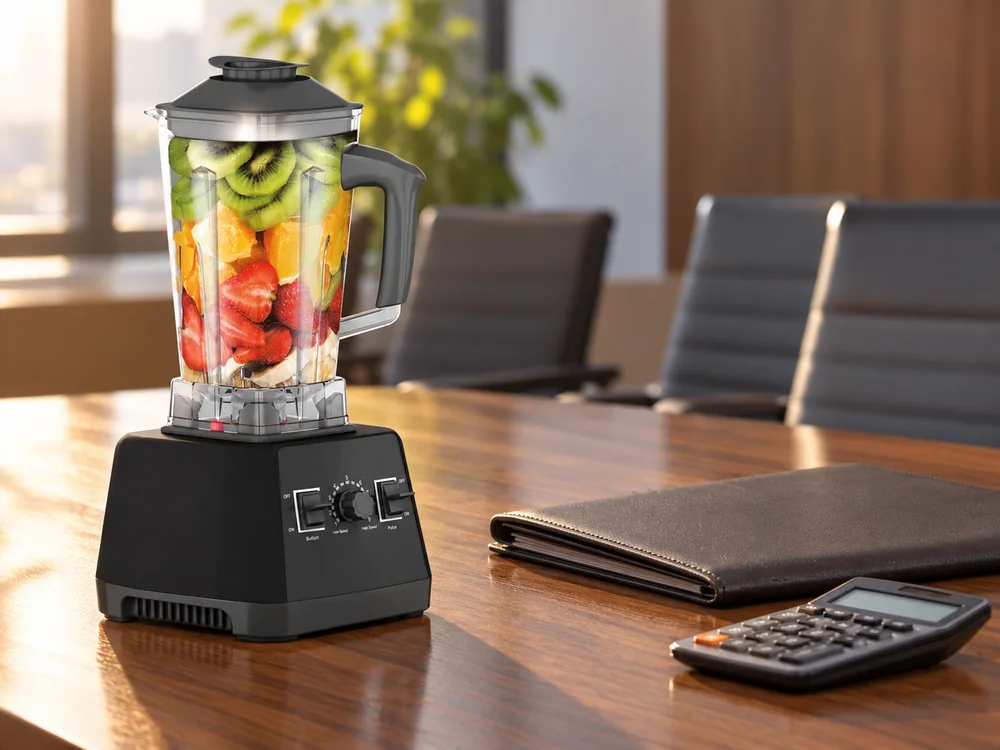
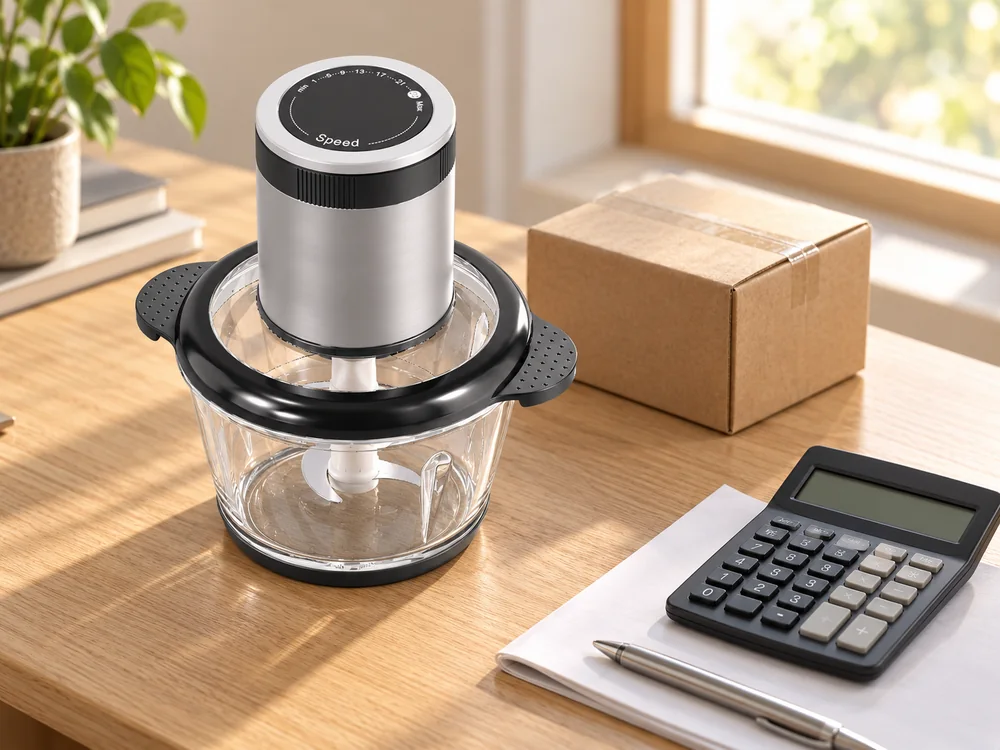
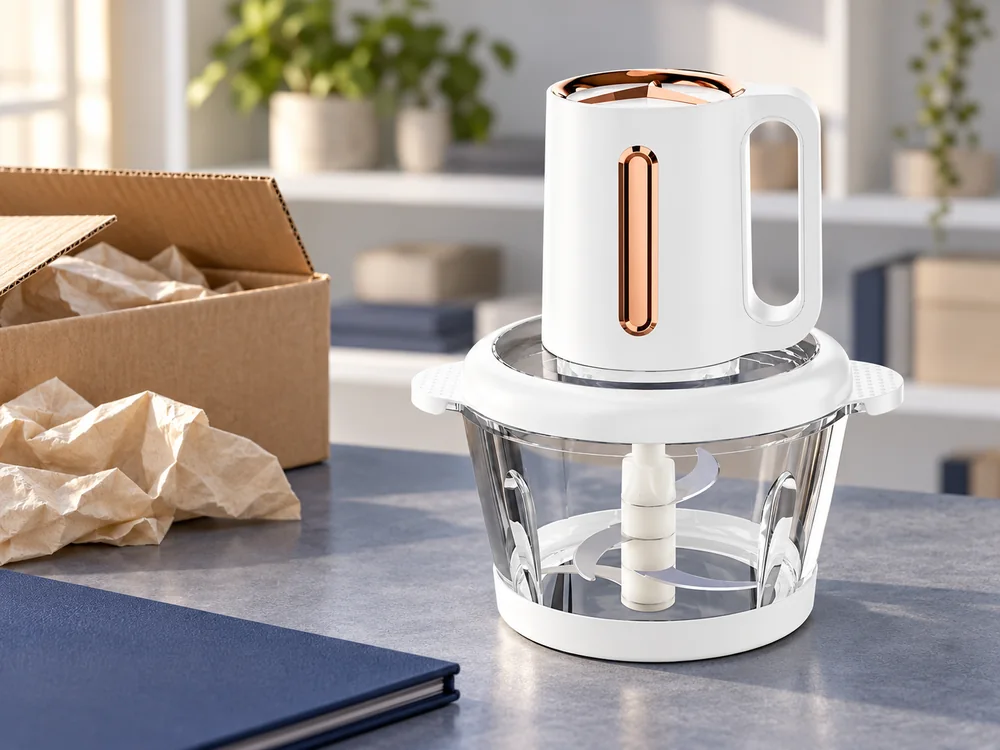
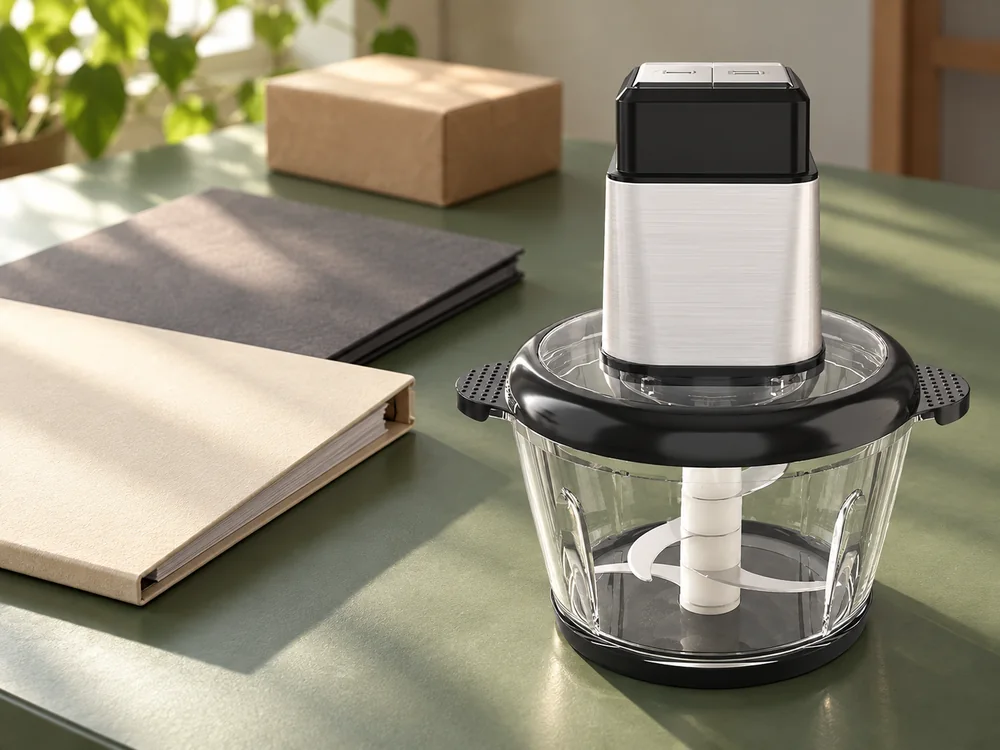
For example, JINJIE’s quotation identifies BG-05 and SD-01 as different chopper references. A proposal from the JINJIE food chopper range can be considered as a complete alternative product. It should not be described as an identical replacement for another maker’s appliance solely because both are bowl choppers. Compare the proposed customer offer and the work needed to introduce it.
Decide which transition route you are asking the candidate supplier to evaluate. One route uses its existing platform with agreed branding and presentation. Another seeks manufacture of a buyer-controlled design, if the rights and technical scope allow it. A third may simply replace the next retail listing with a new product. The buyer should not negotiate all three as if they were the same quotation.
Give each nonnegotiable requirement a basis for acceptance. A physical-use question needs the appropriate product review. A shelf-description requirement needs accurate product and presentation information. A contract or intellectual-property question needs the relevant professional response. A supplier-change checklist is useful only when the remaining work has identifiable owners.
Separate transferable assets from the existing supplier’s platform
Create an inventory of the material your business would need for the proposed route. It may include buyer artwork, an approved product description, tooling records or specified technical files. For each item, establish who controls it, what access or use is allowed and what is available now. Possessing a photograph or a paid invoice does not answer all three questions.
The World Intellectual Property Organization explains that confidential technical and commercial information can be protected as trade secrets. Do not forward another supplier’s restricted files merely because they would help the candidate quote. Confirm the right to disclose and use the information, with appropriate professional advice and confidentiality arrangements where needed.
Start an existing-platform inquiry with the customer requirement rather than another manufacturer’s confidential construction details. JINJIE’s OEM and ODM options provide a route for discussing available platforms, branding and requested changes. Ask what can be supplied within that route before assuming the new factory must recreate the previous appliance.
If your business has rights to specified tooling or technical files, clarify the proposed handover separately. Tool ownership, access, physical condition and suitability for another site are different questions. Ask the receiving manufacturer to assess the actual scope. A tooling payment is not enough information to establish that the equipment can be collected, installed and used without additional work.
| Item in the transition | Question to resolve | Effect on the purchase route |
|---|---|---|
| Buyer brand and artwork | Which current files can be used, and what product details need revision? | Prepare presentation for the actual new offer |
| Existing supplier’s product platform | What product is being offered, and what rights apply? | Do not assume the platform transfers with the brand |
| Buyer-controlled technical files | Are disclosure and use authorized, and are the files sufficient? | Obtain a scoped feasibility response before development spending |
| Tooling or fixtures | What rights, condition, access and receiving-site work are involved? | Separate equipment handover from a new-product quotation |
| Unused printed material | Who owns it, where is it and which version does it describe? | Decide whether it remains usable or needs another agreed treatment |
| Earlier approval records | What exact product and questions did they cover? | Retain history without automatically approving the new configuration |
Keep current retail artwork apart from obsolete revisions. A box that describes the earlier bowl, controls or included items may not fit the new proposal. The fact that it carries your own logo does not make its product description correct. Review the contents and claims before spending on new print or trying to consume an old balance.
Ask for a list of new deliverables when development is required. Identify what the candidate will evaluate, prepare and return at each stage. Keep the estimate tied to that scope. If the rights or core feasibility remain unresolved, hold the spending that depends on them rather than assuming the whole project has failed or buying a prototype that cannot solve the problem.
Evaluate the new product against the continuing retail promise
A familiar appearance can conceal a meaningful change in the customer experience. Compare the complete appliance, not just its housing. For a bowl chopper, review the supplied motor unit, bowl, lid and blade assembly as the offered configuration. For a countertop blender, consider the jar assembly and controls with the base. Keep parts from different offers separate unless the responsible technical review establishes compatibility.
Use a sample to answer the new proposal’s unresolved questions. If selecting between available platforms, define what would support each choice. Once the product is selected, physical or file approvals may still be needed for its final configuration and presentation. Do not describe these stages as unnecessary simply because the brand already sells a similar appliance.

Pay particular attention to differences that customers can see without opening the instructions. A changed control panel, vessel shape or included attachment may require new photographs and a clearer product description. Those differences do not automatically make the alternative inferior. They do make silent substitution under an unchanged presentation difficult to justify.
Ask how the candidate manufacturer will explain one relevant check against the proposed requirement or sample, including its response to a discrepancy. Compare the requirement, person responsible and next action. The JINJIE quality and testing overview can start that conversation; a general facility description does not establish equivalence to the earlier product or approve the new market version.
Have the appropriate reviewer identify which earlier evidence remains applicable and which questions need a new basis. A product, manufacturing-site or electrical-version change can affect the scope of an existing file. This guide does not prescribe a universal retest list. Obtain the assessment for the actual changed configuration and destination rather than either reusing every file or automatically repeating every previous activity.
Keep service expectations attached to the version customers already own. A new factory’s bowl or jar may not be a replacement for earlier goods. Discuss the support arrangement for the installed product separately from support for future sales. If independent parts supply is unconfirmed, do not offer it to customers on the assumption that similar-looking products share components.
Finish this review with a concrete retail decision. The proposed product may preserve the required offer, may need introduction as a changed version or may leave a mandatory question unresolved. Name the required next action. A numerical supplier score without that distinction does not tell the business whether it can continue its current listing.
Budget the small appliance OEM supplier change
List the commitments already placed with the current supplier. Separate finished goods, production still underway, dedicated materials and uncommitted forecasts. Only the last category can be removed from the purchasing plan without first addressing an existing obligation. Confirm the actual commercial arrangement before treating a planned cancellation as available cash.
Build the new order’s budget separately, including preparation and any justified product review. Then put both commitments on one calendar. A new supplier can offer a lower unit cost while increasing the amount the buyer must fund during the overlap. The transition decision needs that temporary exposure as well as the longer-term purchasing basis.
Consider an invented example. A buyer holds 180 saleable units of the earlier appliance, has 120 further units under an accepted order and expects sales of 50 units per week. Its total potential old-version quantity is 300 units. If all 300 become available in time and demand stays at that rate, they represent six weeks of sales. These figures are hypothetical, not a JINJIE stock or delivery proposal.
Now suppose the proposed new supply route needs nine weeks to put saleable goods in the buyer’s warehouse. Under the simplified assumptions, there is a three-week gap, equivalent to 150 units of demand. If the accepted 120 units arrive late, the gap can be larger. A production estimate alone would not have revealed the exposure; the relevant milestone is usable stock received by the buyer.
Do not turn this arithmetic into a guaranteed demand forecast or safety-stock formula. Use your actual sales pattern, receipts and uncertainty. The example shows which question to ask: what happens between the last usable old stock and the first usable new stock? Update the calculation when either date or quantity changes.
| Transition condition | Information needed | Choice to assess |
|---|---|---|
| Old stock may run out before new receipts | Saleable quantity, demand assumption and confirmed receipts | Bridge supply, revised customer plan or a later transition |
| Old and new stock overlap | Version-specific quantities and retail presentation | Separate allocations and an honest version introduction |
| Existing materials cannot describe the new product | Remaining balance, rights and actual product differences | Agreed use, revision or closure rather than forced reuse |
| New offer is promising but core approval remains open | Specific missing evidence and its owner | Hold the dependent commitment and resolve that item |
| New product cannot meet a necessary retail requirement | Confirmed limitation and available alternatives | Change the proposal rather than funding an unsuitable substitute |
Compare the cost of a bridge with the problem it solves. An additional old-version order may help continuity but leave more stock to sell after the new introduction. Faster transport for the new product is useful only if the product is ready for that route. Ask the relevant parties for the feasible options before presenting an urgent shipment as the solution.
Also account for work on your side. Updated product content, retailer setup and receiving records may need to be ready before the new goods are saleable. Inventory sitting in the warehouse with an unresolved listing is not the same as available retail stock. Include the decision owners and preparation dates in the transition plan.
Keep the two versions distinct through receiving and support
Plan identification before the new shipment arrives. Purchasing, receiving, sales and customer support should be able to distinguish the earlier supplied version from the new offer using reliable references. The distinction should survive removal from the shipping carton. Do not rely solely on a staff member remembering which supplier sent a pallet.
Decide how your own product-management rules will treat the retail identity. A changed product may need another SKU, revised listing or explicit version introduction. This guide does not assign retailer identifiers or marketplace catalog policy. What matters is that the chosen system describes the actual offer and preserves the earlier record for customer questions.
Avoid mixing contents to consume leftover stock. A bowl from one supplier, a motor from another and a box describing a third combination are not an approved product merely because the parts look similar. Keep the matched sets intact. A proposed reuse needs a scoped technical and presentation review before it becomes a receiving instruction.
Prepare the customer-facing explanation around the real difference. If the new product has another control format or complete set, show it accurately. Avoid claims of an upgrade unless the evidence supports the stated improvement. It may be enough to introduce a new version with its own clear purpose rather than imply every change is better.
Give support staff a route for both populations of goods. Retain earlier instructions, configuration references and the agreed issue contact. Customers using the old appliance should not be directed to a new part solely because it is currently stocked. If the support route changes, define what can responsibly be offered and what still needs a supplier response.
Set a limited first-receipt review for the new arrangement. Compare the goods and presentation with the accepted proposal and record any actual differences. This is not a reason to reopen every settled preference. Focus on product identity, contents and substantive requirements, then resolve findings through the agreed route before expanding the next purchase.
Close the earlier arrangement and authorize the next step
Reconcile outstanding orders, materials, payments and open issues with the current supplier under the actual agreement. Keep ownership or settlement disputes separate from unsupported assumptions about transfer rights. Where legal questions remain, obtain the appropriate advice before instructing collection, disposal or use of disputed assets.
For the new arrangement, record what has been approved and the next bounded commitment. That might be an evaluation sample, a defined development stage or a production order for an accepted complete offer. The point of the transition review is to choose that step with a clear understanding of the overlap, not to postpone a sound proposal indefinitely for cosmetic preferences.
Discuss the proposed replacement offer with JINJIE using the customer requirement, target market, complete-set needs and planned purchasing window. Identify whether you seek an available platform or a separately evaluated development scope. Share only material you are authorized to disclose. Request the product and commercial proposal needed to compare a controlled transition with the current arrangement.
FAQ
Should we tell the current supplier before researching an alternative?
The appropriate sequence depends on existing obligations, confidentiality and the nature of the issue. Research does not automatically cancel an order or authorize transfer of restricted information. Keep the inquiry bounded, review the agreement and decide which discussion is needed before committing to a transition.
What if the new product is acceptable but differs from our retailer’s sample?
Identify the difference and ask the retailer or responsible buyer what approval is needed for the changed offer. Do not present the earlier sample as representing the new configuration. A change may be commercially acceptable, but the customer-facing commitment needs to reflect that decision.
Can old printed boxes be used for the new supplier’s appliances?
Only after checking their actual product description, contents, markings and fit against the proposed new set, together with the rights to use them. A shared brand name is not enough. If the material cannot accurately and appropriately represent the new product, obtain another presentation and agree the treatment of the remaining balance.
When is a second supplier an operational backup rather than another contact?
When the actual complete offer has been assessed, its necessary approvals and purchasing conditions are understood, and the business knows how it would introduce and receive that product. It need not be an interchangeable copy. A backup that requires a new retail introduction should be planned on that basis rather than promised as an immediate substitute.