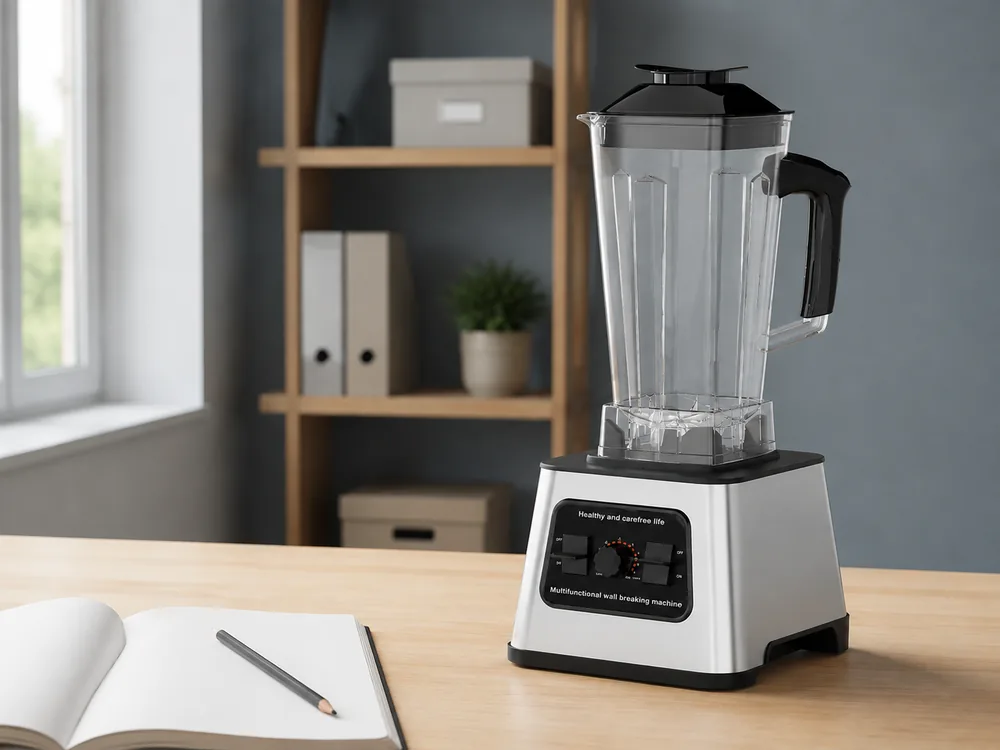
Blender duty-cycle evidence helps an importer decide whether a model deserves a sample trial for the intended workload. Start with its permitted load, run time and recovery interval, then compare the documented sequence with the job your customer expects it to do.
A large wattage figure cannot answer that question alone. Neither can a short video of a full jar. The load, electrical version and sequence between batches all affect what the demonstration actually proves.
This guide covers handled-jar countertop blenders. Foodservice suitability and continuous operation require evidence for the selected model.
Start with the intended use, before the motor number
Write down the job the customer expects the appliance to do. A retail product for occasional household drinks and a machine requested for repeated beverage orders need different operating evidence. Calling both of them a smoothie blender leaves the buyer and supplier too much room to interpret the brief differently.
Describe the ingredients, their starting condition, the intended batch and the required finish. If frozen ingredients are involved, identify them explicitly. If the requested use involves heated food, stop and obtain the selected model's written permission and limits before arranging a demonstration. A general blender category description is not sufficient.
Next, describe the sequence of work. Will the operator empty the jar and immediately refill it? Is there a cleaning interval? How many batches form a typical busy period? These are customer requirements to discuss, not automatic permissions to run the sample that way.
Shortlist a model when its documented operating sequence can accommodate the proposed job. If a required rest interval interrupts the intended service, discuss a different model before spending on branding or sample freight.
Make the busiest expected period explicit. A customer who prepares one batch occasionally has a different purchasing requirement from someone who needs several batches close together. Describe both the normal task and the concentrated demand, then ask which of those conditions the manufacturer can support with instructions and evidence.
Separate required performance from preferred convenience. The product may need to achieve a particular texture, while a shorter preparation time is only desirable. This distinction gives the supplier room to propose a suitable operating method without disguising a failure to meet the actual requirement.
An initial brief can include two acceptable workflows if the customer genuinely has that flexibility. For example, a smaller batch with more preparation may be acceptable in one retail application, while another requires the originally proposed batch. These are alternatives to evaluate, not a reason to change the method after seeing an unfavorable result.
Keep those choices with the sample request. A person conducting the trial should know which conditions are mandatory and which alternatives the buyer is willing to consider. Otherwise a technically successful demonstration can still answer the wrong commercial question.
Separate input power, batch size and operating time
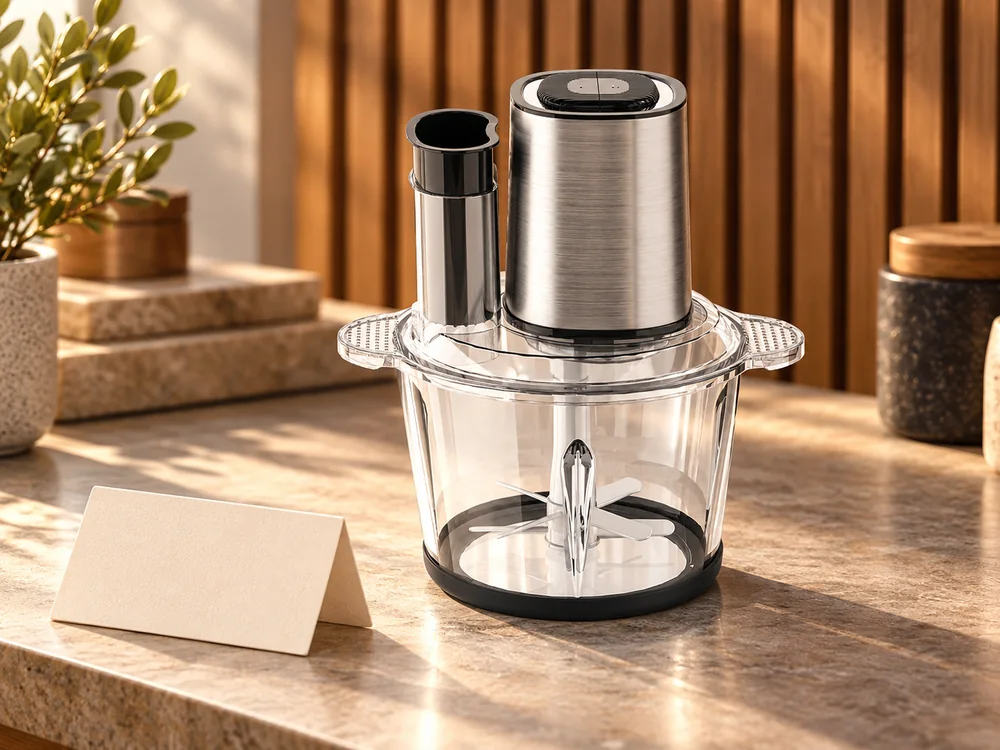
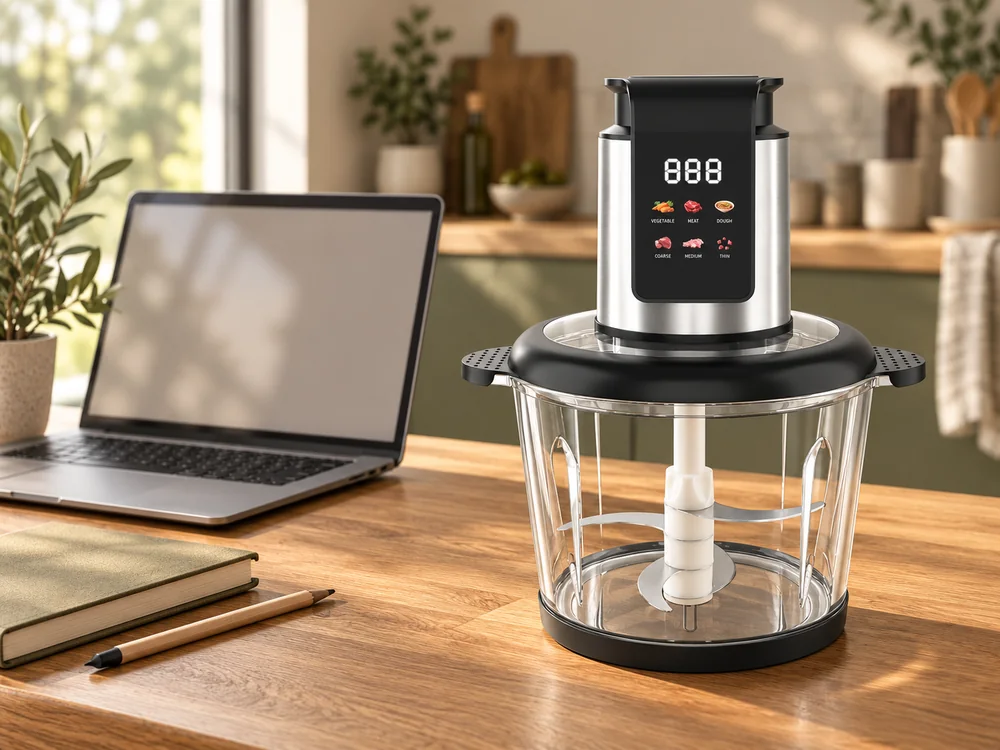
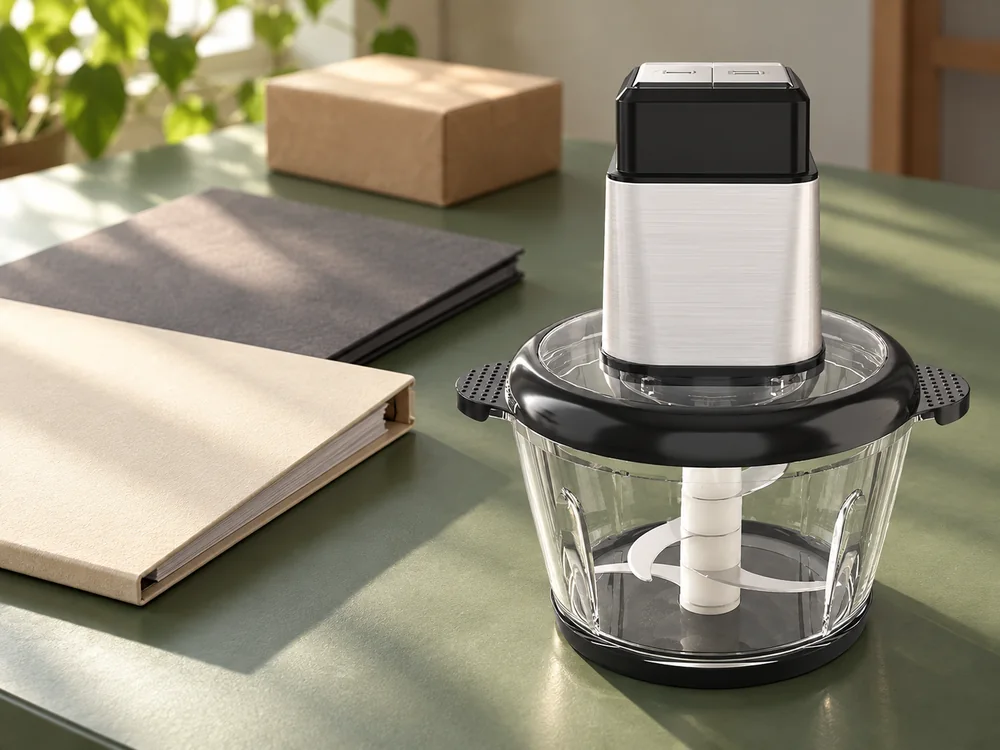
JINJIE's configuration reference lists BL1161 with a nominal 1.5 L AS jar and 600 W power, and PBJ-01, with secondary reference BL2001, with a nominal 2 L PC jar and 1200 W power. These entries identify different configurations. They do not report a continuous operating time, an approved food load or a measured number of finished drinks per hour.
Ask the supplier to complete the operating-time and loading fields with model-specific evidence. Do not calculate throughput by multiplying nominal jar capacity by an assumed number of cycles. Usable loading can differ from the container's nominal volume, and the whole cycle includes handling and any required rest period.
Use the specifications to identify candidates, not to rank results that have not been measured. A larger nominal jar might help with the proposed batch, but the usable loading and recipe still need to match. A different power entry identifies an electrical specification; it does not tell the buyer how long the motor can run under a chosen load.
The word 'cycle' also needs context. It may describe a preset program, one manually timed operation or an agreed run-and-rest sequence. Ask the supplier to state which meaning is used. A control that stops after a programmed task and a recovery interval required between tasks are separate parts of the workflow.
The following comparison turns common sales information into a practical next question. It helps decide what evidence is missing before paying to ship a sample.
|
Information available |
Useful interpretation |
Next purchasing question |
|---|---|---|
|
Rated power and nominal jar volume |
Identifies a candidate configuration |
What loading and operating limits apply? |
|
One complete recipe demonstration |
Shows that recorded task and sample |
Does the intended workload require repetitions? |
|
Defined repeated sequence with observations |
Supports comparison with a similar workload |
Were conditions and acceptance criteria equivalent? |
|
Instructions with permitted run and rest times |
Defines the allowed operating method |
Can that method fit the customer's workflow? |
|
Attractive product video without timing |
Helps recognize appearance and controls |
Is an unedited, identified evaluation available? |
Choose the next step according to the gap. Missing operating instructions call for documentation first. A documented but unsuitable interval calls for another candidate or an agreed change in the customer's workflow. An apparently suitable specification with no relevant result calls for a defined evaluation rather than immediate production approval.
Request blender duty-cycle evidence that others can interpret
The supplier's report should let a buyer reconstruct the conditions without guessing. A result reading only “passed blending test” does not explain whether the test resembles the intended purchase.
|
Information to request |
Why it changes the interpretation |
|---|---|
|
Model, sample reference and electrical version |
Identifies the actual appliance evaluated |
|
Jar, lid and blade assembly |
Connects the result to the supplied configuration |
|
Ingredient description and starting condition |
Distinguishes different processing loads |
|
Batch quantity and loading method |
Prevents nominal jar volume from replacing the tested amount |
|
Control setting, run time and rest interval |
Defines the operating sequence |
|
Repetitions, observations and acceptance criteria |
Shows what was checked and how the decision was made |
Ask for the instructions used during the evaluation. If the proposed customer requirement exceeds those instructions, resolve the conflict before testing. Do not ask an unqualified operator to run the appliance until it trips, smokes or fails in an attempt to establish a limit. Electrical and abnormal-operation evaluations belong with qualified personnel using an agreed procedure.
A video can supplement the record. It is most useful when it shows the sample identity, starting ingredients and the complete agreed sequence. A montage that jumps from filling to the finished result cannot establish elapsed operating time or repeated-use performance.
Ask for the original observation record where a summary leaves an important question open. The team should be able to identify the start and finish of each operation and any interruption. An unexplained pause may be normal handling, required recovery or an unexpected event; the distinction changes the buyer's interpretation.
For a revised sample, preserve the old reference and identify what changed. A different jar, blade assembly or control version can affect which earlier observations remain relevant. Give each evaluation its own version reference so two reports do not appear to describe the same product when they actually concern different assemblies.
Where an independent specialist is involved, agree what the specialist will assess and what the supplier must provide. The deliverable should answer the intended operating question. A general inspection of appearance or packaging can be useful elsewhere in the project, but it is not the same assignment.
Compare results against a written acceptance brief
“Smooth enough” can mean different things to a purchasing manager, a laboratory technician and a retail customer. Describe the result in terms that the team can inspect. For a proposed cold beverage, that might include the agreed ingredient preparation, a reference finish and a consistent way of checking remaining pieces. The manufacturer must first confirm that the recipe is within the model's scope.
Keep process observations separate from the finished-food assessment. Record whether the jar remains seated, the lid fits as intended and the controls behave as described. Where relevant, ask the supplier for the applicable checks on leakage, abnormal sound or protective functions. The buyer's checklist does not replace the product's safety evaluation.
Suppose two samples produce an acceptable texture, but one needs a longer rest between batches. Compare the complete sequence, including emptying, cleaning and recovery, with the customer's workload. If the report omits rest intervals, obtain them before deciding which sample to buy.
Keep the same distinction when reviewing a rejected sample. A different ingredient preparation or incorrect attachment may invalidate the comparison. Correct the method before making a purchasing decision.
Define the stopping conditions before the trial. Operators should follow the product instructions and the agreed procedure, including the response to an unexpected condition. Purchasing should ask for a useful record of what happened rather than encourage repeated attempts to force a passing result.
If a candidate meets the texture requirement but misses the customer's workflow, record both findings. This may be a suitable appliance for a different application, but it has not met the original brief. That distinction helps the buyer redirect the product without presenting the alternative use as a successful test of the first requirement.
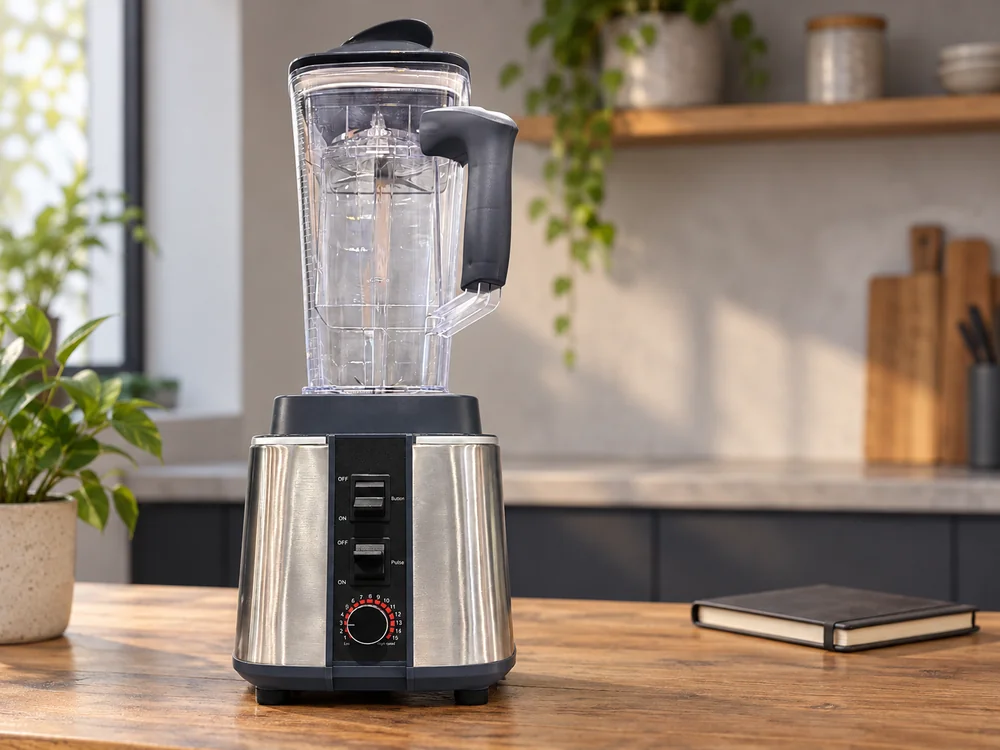
Estimate the workflow consequence of run and rest intervals
Once the permitted operating method is established, examine how it fits the complete job. Time is spent loading, processing, emptying and preparing for the next batch. Required recovery may overlap some handling or may extend beyond it, depending on the actual instructions and workflow.
Use a timeline rather than adding every duration automatically. If two activities happen at the same time, counting both as consecutive periods overstates the cycle. If they cannot overlap, treating them as simultaneous understates it. Agree the sequence first, then calculate from the relevant observed or specified durations.
For a hypothetical scheduling example only, suppose an approved method requires a 30-second run followed by at least 90 seconds before restarting. Assume unloading, cleaning and reloading take 60 seconds after the run, and that this handling may occur during the recovery interval. The next start would be no earlier than 120 seconds after the first start: 30 seconds running plus the longer 90-second recovery period.
In that imaginary sequence, the motor operates for 30 of every 120 seconds, or 25 percent of the elapsed cycle. This arithmetic explains the timing relationship; it is not a JINJIE rating, a permitted recipe, or evidence that the sequence can continue indefinitely. Any limit on repetitions or longer recovery periods still applies.
If the same handling instead takes 150 seconds, the earliest next start becomes 180 seconds after the first start under those assumptions. Buying a second jar would not automatically shorten the required motor recovery. Evaluate the actual bottleneck before deciding whether another accessory solves the problem.
A buyer can use this method to compare customer demand with a documented workflow, without advertising a drinks-per-hour figure. A sustained throughput claim would require evidence for the actual quantity, full operating period and relevant conditions, including interruptions and the finished result.
Keep the calculation separate from a supplier's quotation. It may reveal why one candidate is worth sampling, but it does not establish the unit's suitability on its own. Discuss the result with the responsible technical team before committing to a commercial application or promising customers a service rate.
Allow for variation in the customer's preparation method when writing the brief. If ingredient size or batch quantity will vary, identify the range that needs assessment instead of testing one convenient example and applying its result to everything. The buyer can then decide whether a narrower, clearly communicated use is acceptable or whether the project needs evidence covering a broader range of conditions.
Choose the next sample step by the unresolved question
Spend the sample budget on the uncertainty that matters most. If the open question is the finish produced with a permitted recipe, an identified standard sample may be enough for that evaluation. Custom colors or a new box add little to that particular decision and can be reviewed later.
If the sample differs from the intended order, ask which differences are merely presentation and which affect the operating evidence. An unbranded housing may allow an initial functional review. A different electrical version, jar assembly or drive connection needs a more careful applicability assessment.
Ask for sample cost, dispatch arrangements and what is included, but avoid choosing solely by the lowest sample charge. A cheaper sample that cannot answer the workload question can lead to another freight bill and another round of testing. Compare the cost with the specific information the sample is expected to provide.
Set an outcome for the trial before ordering it: proceed with this configuration, evaluate a defined alternative, or stop because the application is outside the supported scope. That keeps an unsuccessful sample from triggering an open-ended sequence of small changes without a clear purchasing decision.
For a private-label project, JINJIE's OEM configuration discussion can follow the initial suitability review. Carry the operating requirements into that discussion so branding, controls and instructions do not introduce promises beyond the evidence already obtained.
Freeze the tested configuration before placing the order
A satisfactory trial applies to the identified sample. A different jar assembly, drive connection or electrical version needs a change review. Similar housings do not make the old evidence automatically transferable.
Attach the approved configuration, instructions and test record to the sample approval. Record any unresolved requirement as an open item with an owner. If the supplier proposes a change, ask which evidence remains applicable and which checks must be repeated. Do this before new packaging promises or production approval.
JINJIE's blender range provides a starting point for matching jar and base formats. The quality and testing page describes the areas to discuss during a project review. Neither page supplies a universal duty-cycle value for every product.
Conclusion
For a JINJIE project, send the intended ingredients, batch, operating sequence and destination market. Ask which current model can be reviewed against that brief and which evidence is available before making a commercial-use claim.
The useful output is a sampling decision with a reason: the documented method fits, a specific test remains necessary, or the proposed workload requires another option. Keep the evidence and its conditions with that decision so subsequent customization starts from the same operating basis.
FAQ
Does a higher wattage mean a longer continuous run time?
No. The power entry alone does not specify operating duration or recovery time. Request the selected model's instructions and supporting evaluation under the intended load.
A higher-power candidate may still need a workflow that differs from the customer's expectation. Compare the permitted sequence and relevant result rather than treating the rating as a substitute for a trial.
Is one successful demonstration enough to approve repeated use?
It can support the result of that demonstration. Repeated use needs a defined sequence and evidence for that sequence. The sample identity and configuration must also match the proposed order.
If the intended application involves several consecutive batches, include that requirement in the assessment brief before the demonstration is arranged.
Can a protective cutoff replace a written operating limit?
No. A protective function is not an instruction to operate until it activates. Follow the manufacturer's permitted operation and have qualified personnel evaluate any unresolved safety or duty-cycle question.
An unexpected interruption should be recorded and assessed under the agreed procedure, not repeatedly triggered as an informal endurance test.
Will another jar remove the need for motor recovery?
Not necessarily. Another compatible jar may change the handling sequence, but the motor's permitted operating and recovery conditions still apply. Identify which part of the workflow limits the next start before purchasing extra accessories. Any alternative jar must be approved for the chosen base and included in the relevant configuration review.