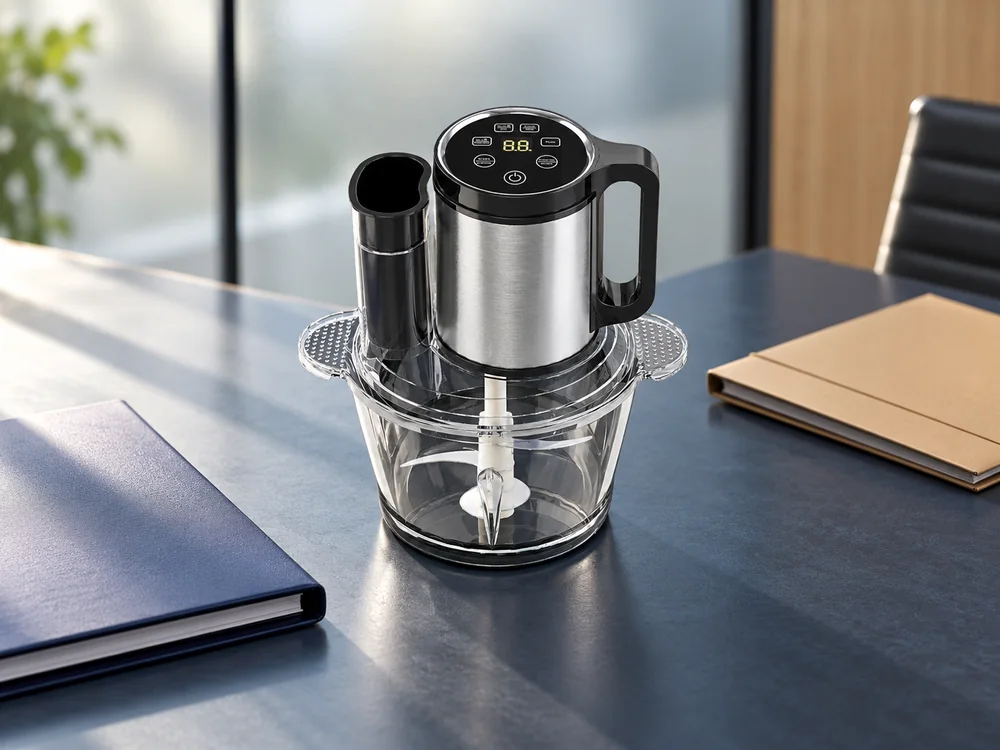
A private-label brand wants another supply route without abandoning the manufacturer that already serves its range. The second contact offers a promising product, but maintaining two relationships can mean separate approvals, smaller orders and more stock to identify. Dual sourcing for small appliances should solve a named supply exposure, not merely turn one purchasing program into two.
This guide helps importers and household appliance brands choose between one active supplier, an assessed alternative held for a future decision, and two suppliers receiving orders. It does not assume that different manufacturers can supply identical appliances or interchangeable parts. A second supported retail product may provide another sales route without being a direct replacement for the first.
Identify the disruption the second route must address
State what would happen if your present route became unavailable. Identify the affected product, the customer commitment and the period in which another route would be useful. A broad instruction to reduce dependence does not establish what the buyer needs another supplier to do.
Separate supply interruption from dissatisfaction with the current product. If the existing appliance cannot meet a mandatory requirement, the task may be replacement rather than dual sourcing. If it meets the requirement but leaves the business exposed to interruption, a second route can be evaluated alongside continued purchasing.
CIPS distinguishes choosing one supplier when alternatives exist from sole sourcing where only one supplier is available for the requirement. It also identifies dependence as a vulnerability of single sourcing. That distinction matters here: another catalog is not an available alternative until its actual product and conditions can serve your requirement.
Define the time you could tolerate without usable goods. Consider stock already available, confirmed receipts and customer flexibility, using your own current information. Avoid calling the second route a backup if its preparation and introduction would finish only after the commercial need had passed.
Keep the protected outcome specific. It might be continuing a household preparation category with another honest product offer, rather than maintaining the exact same retail listing. Those objectives can lead to different candidates and a different amount of approval work.
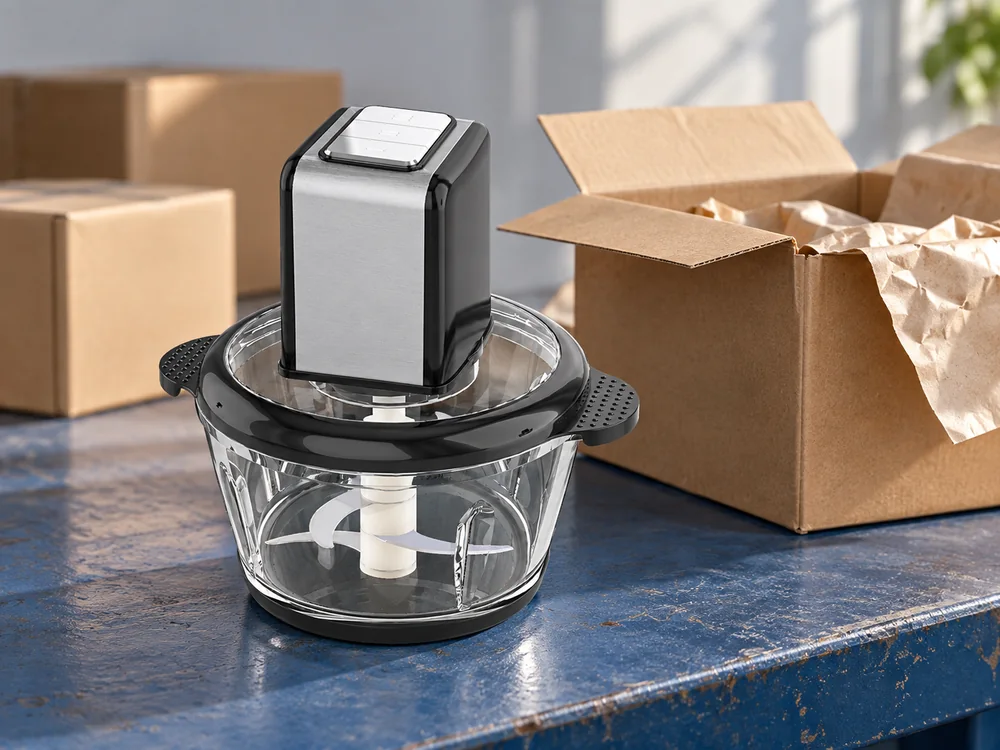
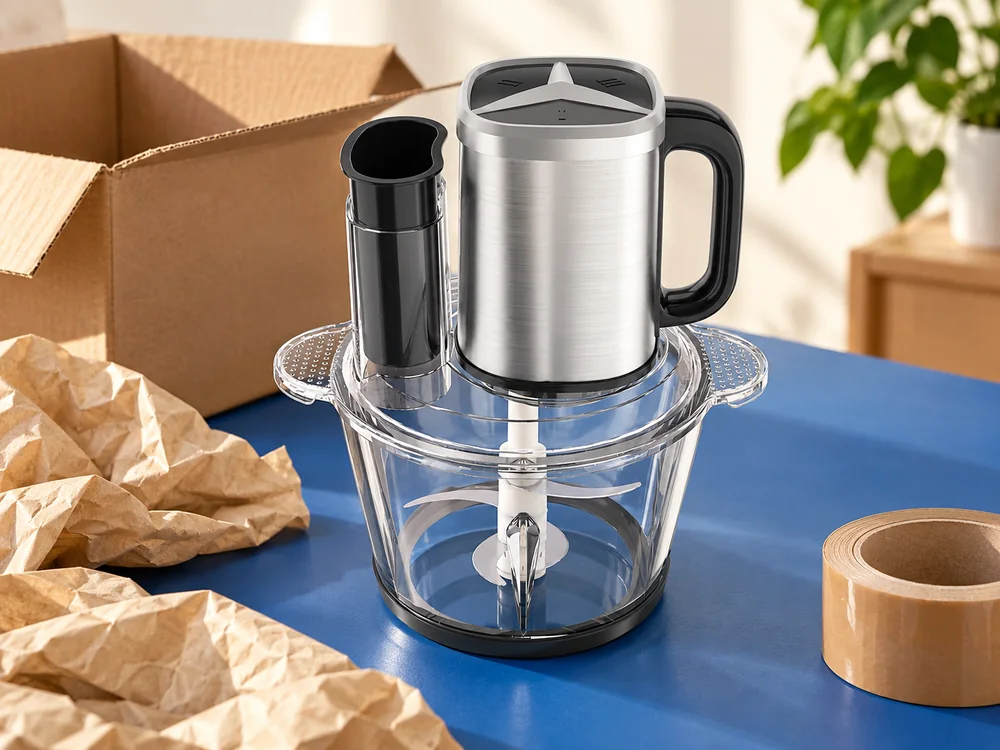
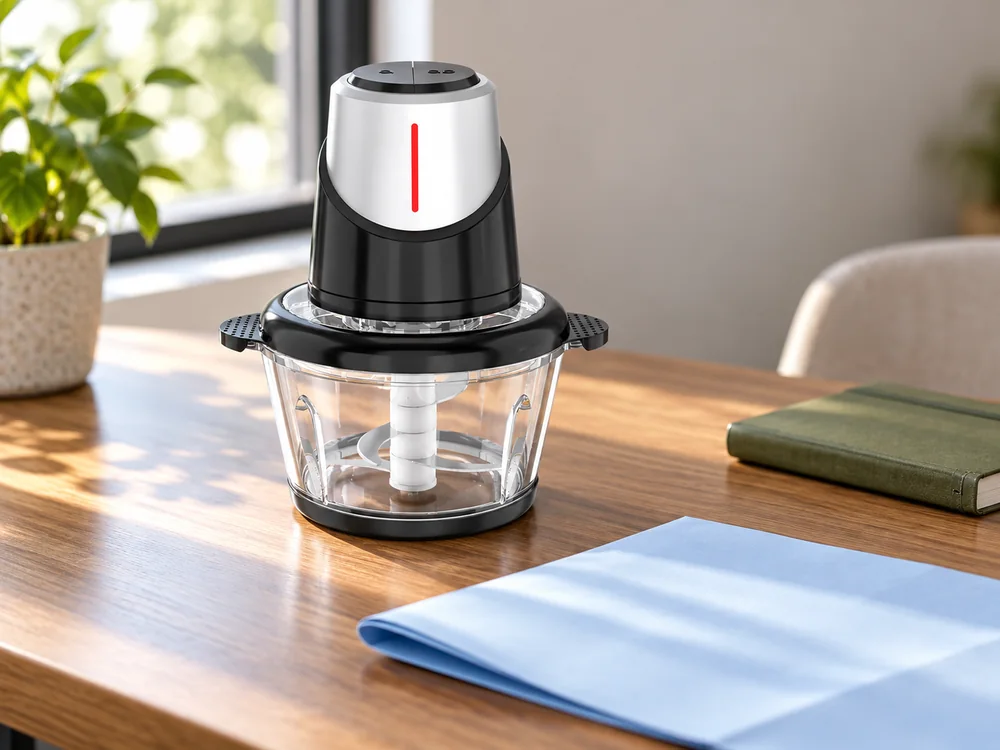
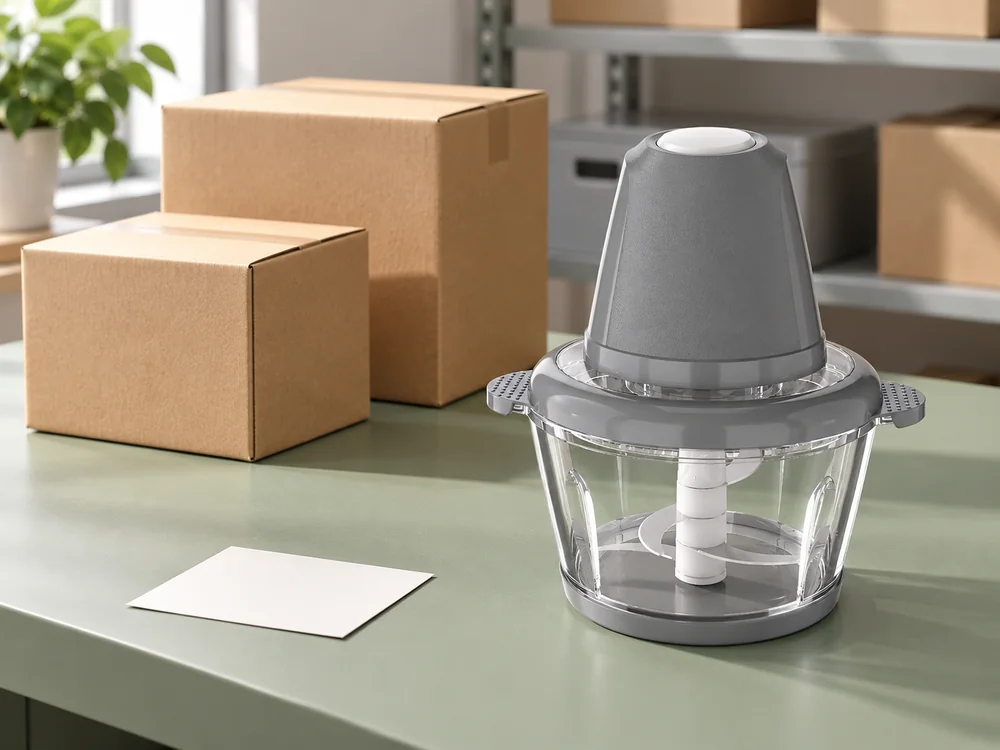
An importer can begin an alternative inquiry through the JINJIE electric meat chopper range. The quotation lists SD-01 with a nominal 3 L stainless-steel bowl, 500 W and digital controls. It is an identifiable candidate configuration, not proof that it duplicates another manufacturer’s three-liter product.
Choose what the second supplier’s role would be
One option is to retain an assessed alternative without routine orders. The buyer understands its product, preparation requirements and current commercial proposal, then refreshes that information when needed. This can limit inventory complexity, but it does not reserve future production or make an old quotation indefinitely available.
Another option gives both suppliers active purchasing allocations. This produces actual receiving experience with both routes and can support different retail roles. It also creates ongoing quantity, approval and management work. The business needs demand for the proposed split, not just a preference for having two factory names in its records.
A third arrangement uses different suppliers for distinct products in the range. That may reduce concentration in the business overall while leaving each particular SKU dependent on its own route. Describe it accurately. Selling a chopper from one factory and a blender from another does not create a second source for either exact product.
Ask what the second route can accept now and what would have to be reconsidered later. Product version, quantity, presentation and timing may change between the evaluation and an actual purchase. An approved sample is useful history; it is not a standing supply commitment.
| Proposed sourcing arrangement | What it can provide | Question still to resolve |
|---|---|---|
| One active route | Concentrated orders and one managed product program | How the business would respond to interruption |
| Active route plus assessed alternative | A defined starting point for another purchase | Current availability, preparation and activation time |
| Two active suppliers for one customer task | Ongoing experience and separate purchasing options | Product differences, quantity conditions and usable demand |
| Different suppliers for different range items | Less concentration across the overall assortment | Each item’s own continuity exposure |
| Two sellers using the same underlying route | Another commercial contact | Whether the dependency actually changed |
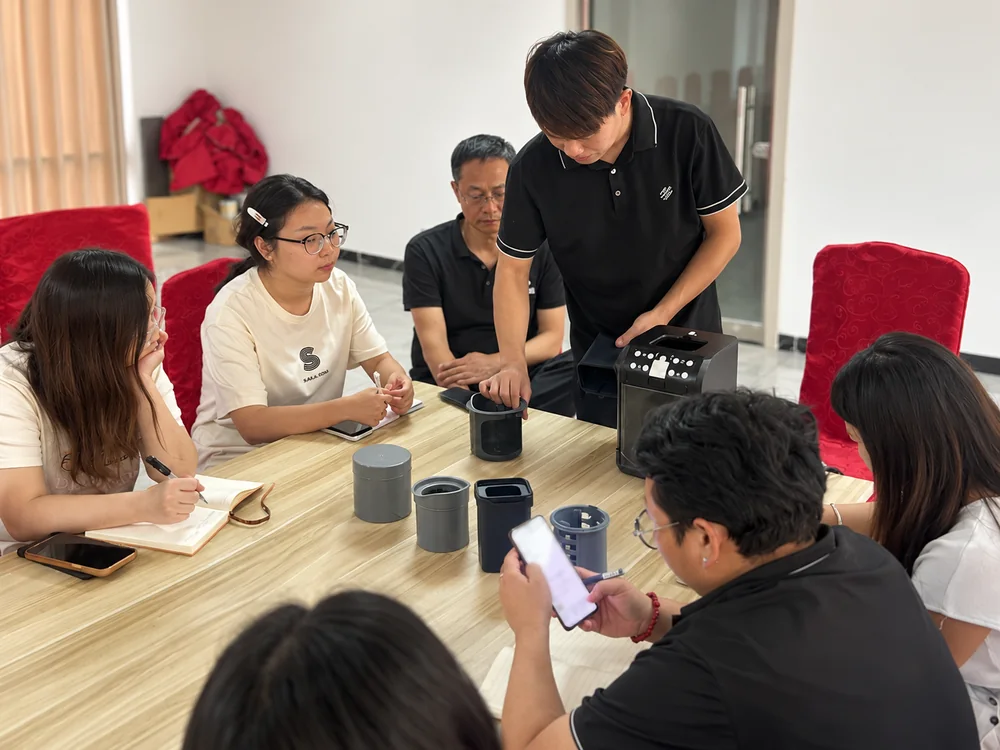
Choose the role before paying for preparation. A standby inquiry needs to establish activation requirements; a routine split needs a funded allocation and operating plan. Asking the supplier to price an undefined mixture of both makes the response harder to use.
Assess independence rather than counting company names
Two commercial contacts may lead to the same manufacturer or depend on a shared critical input. Ask candidates to explain the responsibility for their proposed product and the preparation that controls its supply. Investigate the dependencies relevant to the exposure you are trying to reduce.
Do not demand an unrestricted list of confidential sub-suppliers. A buyer can ask a proportionate question about whether a particular critical dependency is shared, what alternative exists and how a disruption would be handled. The necessary response depends on the risk and the proposed relationship.
Separate different kinds of independence. A different assembly site may address one concern without changing the origin of an important input. Another product design may create a different supply route but also require a new retail introduction. Identify the consequence rather than awarding a general independence score without an explanation.
Consider buyer-created common dependencies too. Both orders can wait for the same unfinished artwork, the same internal decision-maker or a single unresolved receiving arrangement. Adding a manufacturer will not remove a bottleneck that the buyer still controls.
Record what is known and what remains open. Missing information about an important dependency means the intended protection is not yet established. It is not proof that both suppliers share it or that either is unsuitable. Request the specific clarification and hold the conclusion that depends on it.
Evaluate the route through the actual candidate response. A supplier’s location or a general statement about factory size cannot establish the availability of the required complete sets at the time your business would need them. Keep capacity or material commitments separate from discussion of a possible future order.
Keep each appliance and approval scope distinct
Compare the supported customer task, complete appliance, market version and presentation. The backup need not copy every optional visual detail. It must meet the requirement that makes the second route useful, or be introduced honestly as a different retail offer.
Use the JINJIE OEM and ODM discussion to identify an available platform and the changes being requested. Do not assume that your brand artwork grants rights to another manufacturer’s technical design, or that a factory can accept someone else’s tools and files without a separate assessment.
Treat vessels, lids, shafts, blades and connections as parts of their matched products. A similar appearance does not justify combining components from different routes. The purchasing program should preserve complete sets and the version reference that supports them.
Give an evaluation sample a defined selection question. Determine whether the proposed alternative meets the required customer role, what differences are acceptable and what would rule it out. Once selected, final configuration and packaging approvals may still be needed before production. These are separate purposes rather than repeated sampling for its own sake.
Ask the appropriate reviewer which product or market evidence applies to each route. Do not carry one manufacturer’s file across automatically or prescribe that every earlier activity must be repeated. The actual product, site and version determine the review needed.
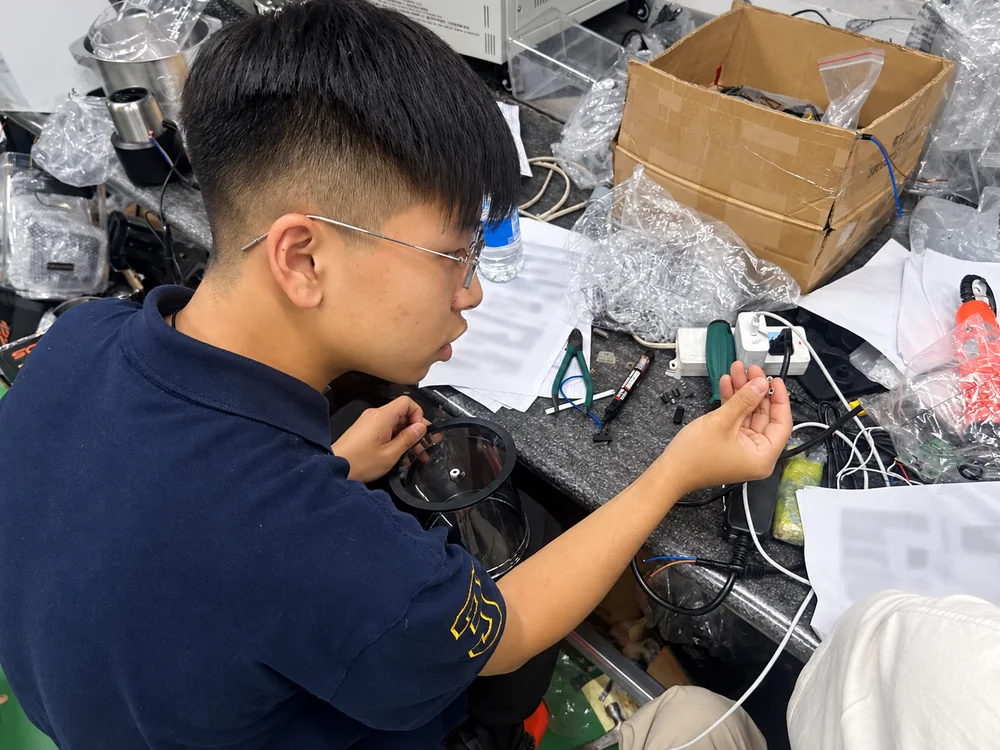
The JINJIE quality and testing overview can start a scoped product discussion. Ask for one relevant check against the proposed requirement and the response to a difference. A general equipment list does not establish that two manufacturers’ appliances are equivalent.
Plan the customer-facing explanation before relying on substitution. A changed control panel, vessel or included set may require different photographs, instructions or listing information. If the intended retailer cannot accept that change promptly, the product may still suit a separate SKU but provide little immediate protection for the existing one.
Price the real order split and additional work
Request the actual commercial conditions for each proposed allocation. A price at the combined annual quantity does not necessarily apply to the smaller quantity ordered from one factory. Keep minimum conditions, separate preparation and delivery arrangements with each offer.
Consider an invented comparison with equivalent required retail scope solely for the calculation. One route offers 1,200 units at USD 17, totaling USD 20,400. A proposed split uses 900 units at USD 17.40 and 300 at USD 18.20, totaling USD 15,660 plus USD 5,460, or USD 21,120. The split costs USD 720 more for goods before other differences. These figures are hypothetical, not JINJIE prices or terms.
If establishing the second route also needs an illustrative USD 900 of identified one-time work, the opening difference becomes USD 1,620 before any separately identified logistics or management cost. Keep that work visible rather than treating it as an unexplained increase in every future unit price.
Check that the split does not expand the total purchase merely to satisfy two conditions. In another invented situation, demand supports 800 units but each active route requires an offered 500-unit commitment. Ordering from both would mean 1,000 units, or 200 beyond the planned demand. The extra stock needs its own sales and funding rationale.
Compare the added cost with the exposure using cautious scenarios. An illustrative interruption affecting 600 sales with USD 4 of contribution each represents USD 2,400 of potentially affected contribution under those assumptions. It is not automatically a loss, nor an expected saving from dual sourcing. The disruption likelihood, recoverable sales and actual second-route readiness remain separate questions.
Do not justify the extra USD 1,620 simply because one scenario shows USD 2,400 at risk. The alternative may protect only part of the demand, introduce different costs or be unavailable in the same event. Use the comparison to identify the decision’s sensitivity, not manufacture a guaranteed return on resilience.
Include practical buyer work: separate product records, receiving distinctions, content and supplier coordination. Quantify it where the business has usable information. Where it does not, identify the work and owner instead of inventing an industry-standard administration charge.
Define allocation and activation rules before they are needed
For two active routes, give each purchase a clear product role and quantity basis. Equal allocation is one possible arrangement, not a default requirement. A core product and a separately positioned alternative may have different supported demand.
Agree the current purchasing proposal with each supplier. A buyer’s forecast of future orders should remain a forecast unless the parties have accepted a more specific commitment. Do not imply reserved material or capacity from a conversation about expected demand.
For an assessed standby route, identify what would trigger a current proposal: an unresolved interruption, a required date no longer achievable, or another named business condition. Assign a person to obtain current product, price, preparation and receiving information when that event occurs.
Record what must happen between activation and saleable receipts. If the alternative needs fresh artwork, approval or retailer setup, include that work rather than presenting only factory preparation time. A route cannot protect a deadline that its own essential introduction work cannot meet.
Keep existing accepted orders and other obligations separate from the allocation of future purchases. A second supplier does not authorize unilateral cancellation of the first order. Resolve actual agreement questions with the authorized parties and appropriate advice where needed.
| Finding in the review | Decision to consider | Necessary next step |
|---|---|---|
| Alternative meets the task but demand cannot support routine split | Assessed standby route | Define current-proposal refresh and activation work |
| Both products have supported ongoing retail roles | Two active purchasing allocations | Agree quantities, product identity and funding for each |
| Critical dependence remains shared | Another route or a narrower protection claim | Clarify the actual dependency before crediting resilience |
| Alternative needs a separate customer introduction | Distinct product, not immediate substitution | Obtain channel acceptance and prepare accurate content |
| Mandatory product requirement is unresolved | Hold the dependent approval | Seek the relevant evidence; reject only if inability is confirmed |
| Added stock and work exceed the protected value | Retain one active route with another response plan | Record the exposure and revisit when inputs change |
Maintain the arrangement without reopening every settled choice
Keep the current specification and commercial status for each route. Refresh the information when a material change or purchase decision requires it. A dated alternative record should not be presented as currently ready merely because an earlier sample passed its review.
Use actual receiving and customer observations to assess the role of each product. Distinguish a supply issue from a difference in retail positioning. Poor sales of an alternative can result from unclear presentation or channel demand rather than establish that its manufacturer cannot supply suitable goods.
Review whether the second route still addresses the original exposure. Its value can change when demand, product scope or the buyer’s inventory changes. The answer may be to keep it active, return it to an assessed standby role or investigate another route. Closing a redundant arrangement can be appropriate; having more names is not the goal.
Discuss an identified alternative appliance with JINJIE. State the customer requirement, destination, complete set, intended quantity and whether you seek an active allocation or an assessed future option. Request a current scoped proposal and explain what would make that route useful before committing to additional stock.
FAQ
Should both products use the same retail SKU?
Use the rules of your own product system and sales channel, based on the actual differences. Preserve the version identity and accurate customer description in any case. This article does not assign identifiers or authorize a silent replacement under a listing that describes another appliance.
What if the standby supplier changes its model before activation?
Obtain the current complete proposal and compare the changed product with the required customer role. Determine which earlier evaluations remain useful and what needs a new decision. Retain the old record as history, not as approval of the new configuration.
Can the second source cover only our busiest season?
Ask for a proposal against the real quantities, readiness and introduction requirements. Compare the preparation and extra stock with the season’s supported demand. A seasonal forecast does not reserve supply unless the parties agree an actual arrangement.
What if two active suppliers both request a larger commitment?
Recalculate the combined quantity, funding and credible demand. Consider fewer active versions, one active route with an assessed alternative, or separately offered conditions. Do not promise unsupported volume to preserve a split that the business cannot fund or sell.