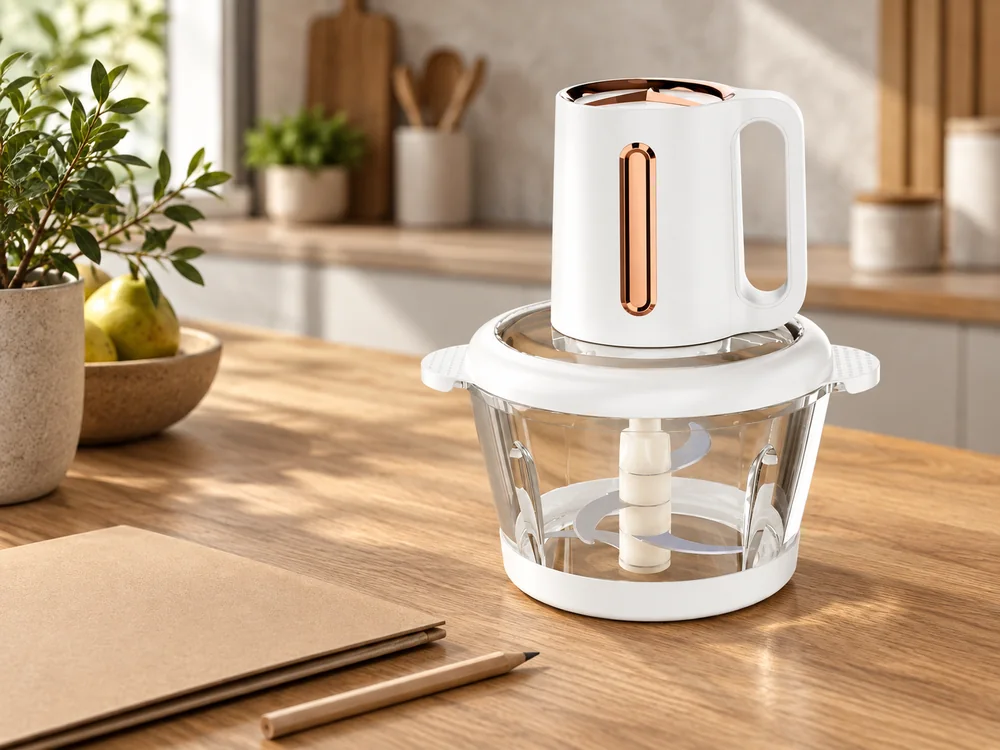
Define meat chopper electrical specifications for each market version before approving the sample or ordering printed packaging. A plug change alone does not establish that an appliance is suitable for another electrical supply. The product configuration, ratings, markings and supporting files need to describe the same version.
For importers and private-label teams, the practical task is to turn a destination-market request into an order the factory can build and the receiving warehouse can identify. That starts with the country, intended sales channel and household use, then connects those requirements to the selected appliance.
This guide explains how to organize that discussion, compare proposed versions and manage changes through sample approval and packing. It does not prescribe electrical construction, testing limits or country-specific legal requirements. The factory's technical team and the appropriate compliance specialists should establish those details for the actual product. Buyers can still make the process much clearer by supplying complete requirements and keeping decisions in one version record.
Start the meat chopper electrical specifications with the market
Provide the intended country or countries, requested supply voltage and frequency, plug requirement, manual language and quantity. If a retailer has a technical specification or required document list, share it with the inquiry. Discovering those requirements after sample approval can create work that the original quotation did not include.
Avoid broad descriptions such as “European version” as the only instruction. Name the destination and ask the supplier to return its proposed configuration in writing. If you do not know a technical field, mark it for review instead of copying a value from a similar-looking product online.
A useful requirement separates what the buyer knows from what the factory must determine. The buyer knows the intended country, sales channel, quantity and product proposition. The technical team evaluates the product's electrical construction and the evidence needed for that version. Treating every open field as a buyer-approved specification can freeze a guess into the order.
Keep intended use accurate. Buying household bowl choppers in bulk does not turn them into continuous-duty industrial machines. Describe the tasks and use context you expect the retail product to support. If the intended application differs from the selected appliance's scope, resolve the product choice before adjusting its labels.
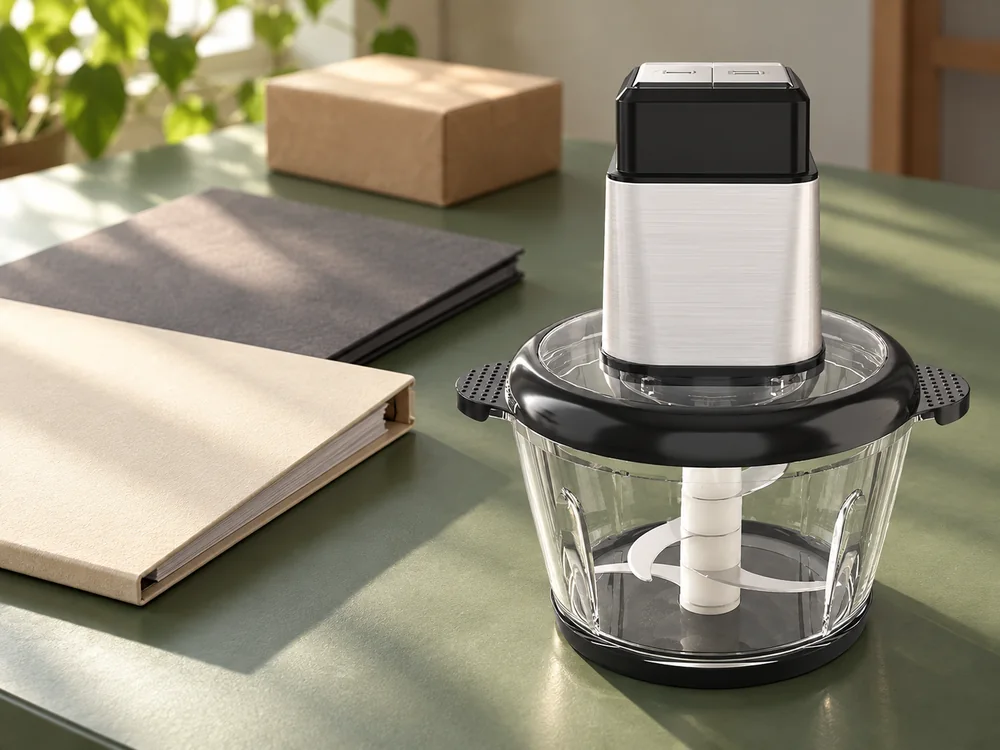
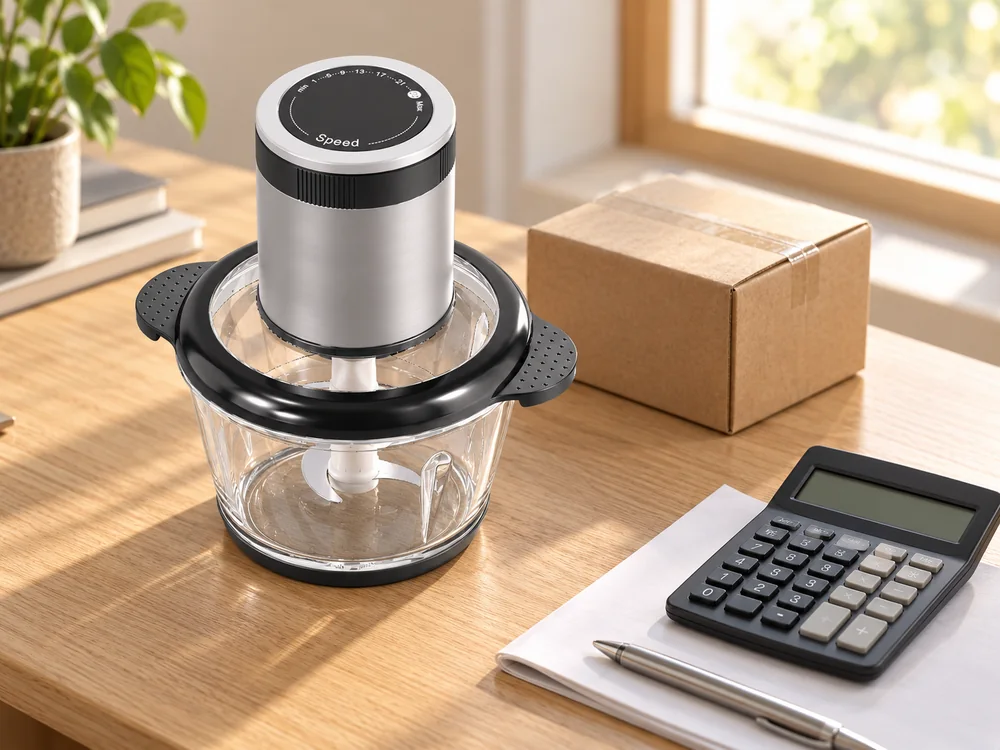
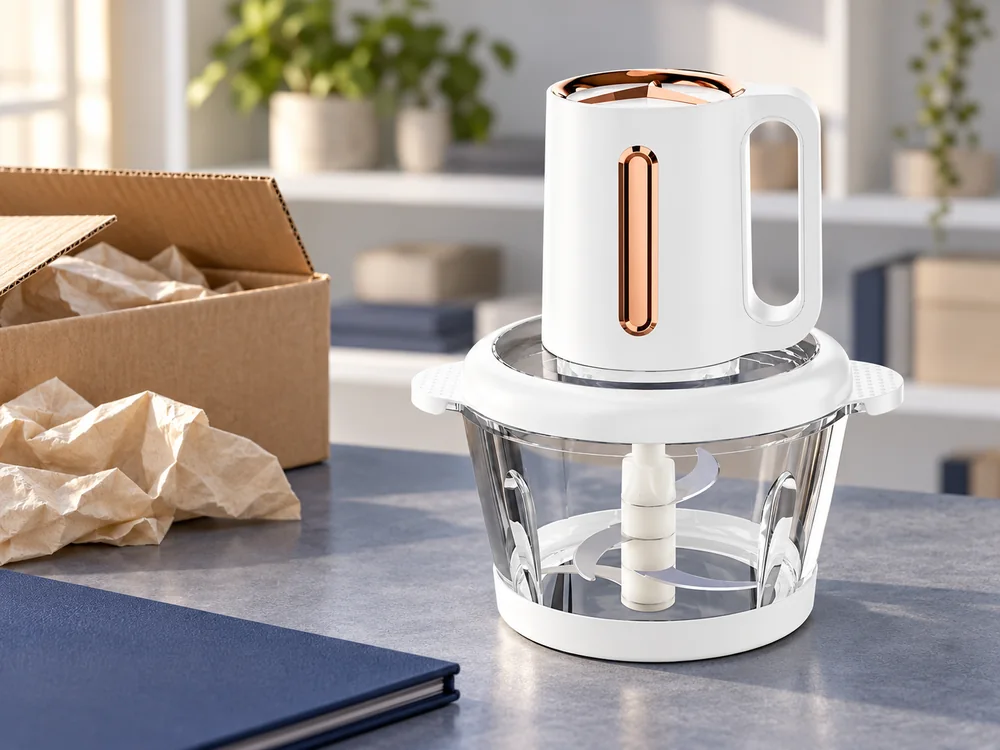
JINJIE's electric meat chopper models are a starting point for that selection. Choose the relevant bowl, controls and supplied set, then discuss the electrical version attached to it. A model photograph can identify appearance; the returned specification should identify what is actually proposed.
Give each market request an owner within your team. Purchasing may coordinate the order, but the person handling retailer requirements should review those requirements directly. When a question moves through several people without a clear reviewer, different interpretations can reach the factory as though they were one decision.
Retain the date and source of a channel requirement. If the retailer updates its submission instructions, the team needs to know whether the current sample and file review used the earlier or later version. This is a document-control task, not a reason to rewrite the product specification every time someone forwards an email.
Compare the complete electrical version, not a plug photograph
The supplied cord and plug belong with the selected electrical configuration. A simple plug adapter changes the connection shape, not the appliance's voltage or frequency requirements. It should not be used as a shortcut around specifying the product correctly for the order.
Ask the factory which components differ between the proposed versions and which checks or document reviews those differences require. Leave the engineering assessment to qualified personnel. The buyer needs the resulting version identity, the work still required and the effect on purchasing terms, rather than instructions for modifying an appliance.
Use the following comparison fields when reviewing two proposed market versions. They distinguish a product difference from a purchasing consequence without assuming that every model needs the same changes.
|
Comparison field |
What to record for each version |
Purchasing consequence |
|---|---|---|
|
Electrical rating |
Proposed voltage, frequency and stated power rating |
Identifies the version for sampling and documents |
|
Cord and plug |
Supplied configuration and applicable reference |
Affects the requested product and possible component sourcing |
|
Internal configuration |
Factory-identified changes and version reference |
May require technical review and revised sample work |
|
Markings and instructions |
Nameplate, relevant warnings and language version |
Creates artwork and document dependencies |
|
Supporting files |
Files matched to the model and proposed version |
Identifies existing evidence and additional review work |
|
Quantity and timing |
Quantity per version and unresolved prerequisites |
Shows whether the proposed launch sequence is realistic |
The comparison is useful even if both versions use the same public model name. A shared name does not explain which components or markings differ. Keep the factory's version reference beside the buyer's SKU so technical correspondence and purchase documents describe the same line.
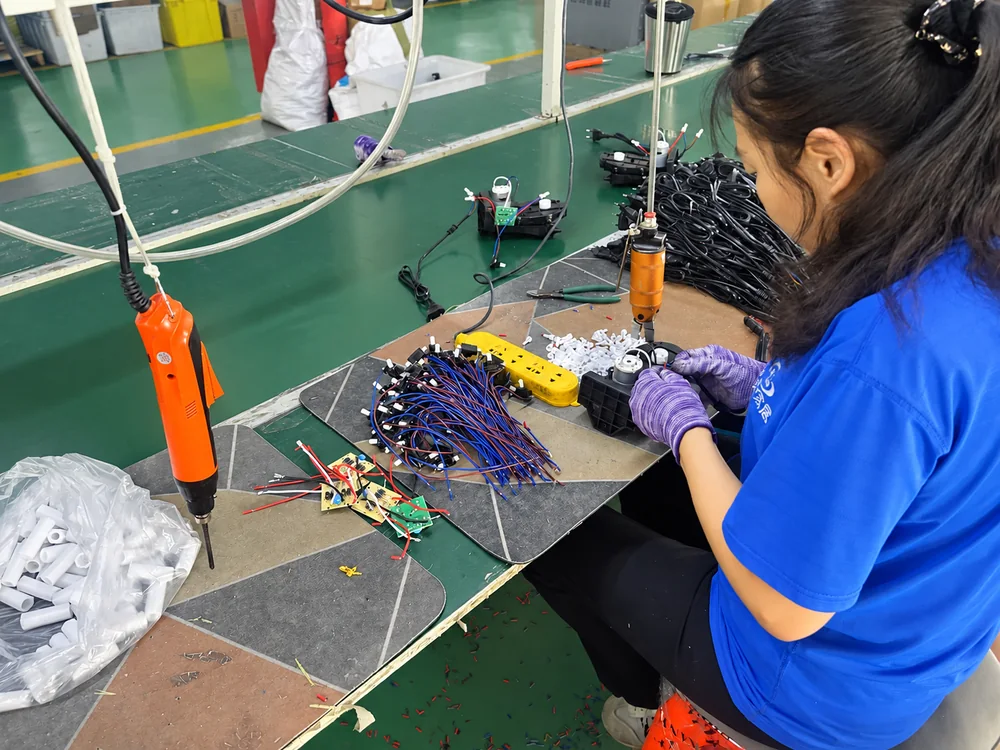
Do not assume a changed electrical version carries the same price or minimum quantity as the initial offer. Ask which terms remain unchanged and which depend on component availability, additional work or the size of that version's order. A combined quantity can conceal a small individual line that has different sourcing conditions.
The appropriate answer may be to launch one version first and evaluate another separately. Alternatively, both may be ready to proceed together. Compare the actual prerequisites before deciding. Product assortment and market timing should guide the choice, rather than a desire to make every line appear identical in a spreadsheet.
Link the sample, nameplate and customer-facing claims
Review a readable image or artwork file of the intended nameplate alongside the sample identification. Model reference and electrical ratings should agree with the unit being reviewed and the documents supplied for that version. Resolve contradictory values before approving production artwork.
Create one approved source for ratings used by the packaging designer, manual writer and listing team. If each person copies from a different catalog page or email, the same appliance can acquire inconsistent descriptions. Record the source revision and the date of approval so later corrections reach every affected output.
Distinguish the manufacturer's stated electrical rating from a marketing figure that has not been technically explained. If an offer uses several wattage descriptions, ask what each one means and which value belongs on the product rating information. Do not select the largest number simply because it looks stronger on a retail box.
A specification may change revision without changing the public model name. Keep that revision in your order record and on the sample review sheet. When a revised sample arrives, identify the changes it represents rather than treating a new parcel as a full replacement for every previous approval.
Separate appearance approval from electrical-version approval when the sample serves only one purpose. An early sample may be useful for evaluating color, handling or bowl size while a different electrical version is still being prepared. Label the approval scope clearly so an accepted appearance sample does not accidentally become the production reference for unresolved technical fields.
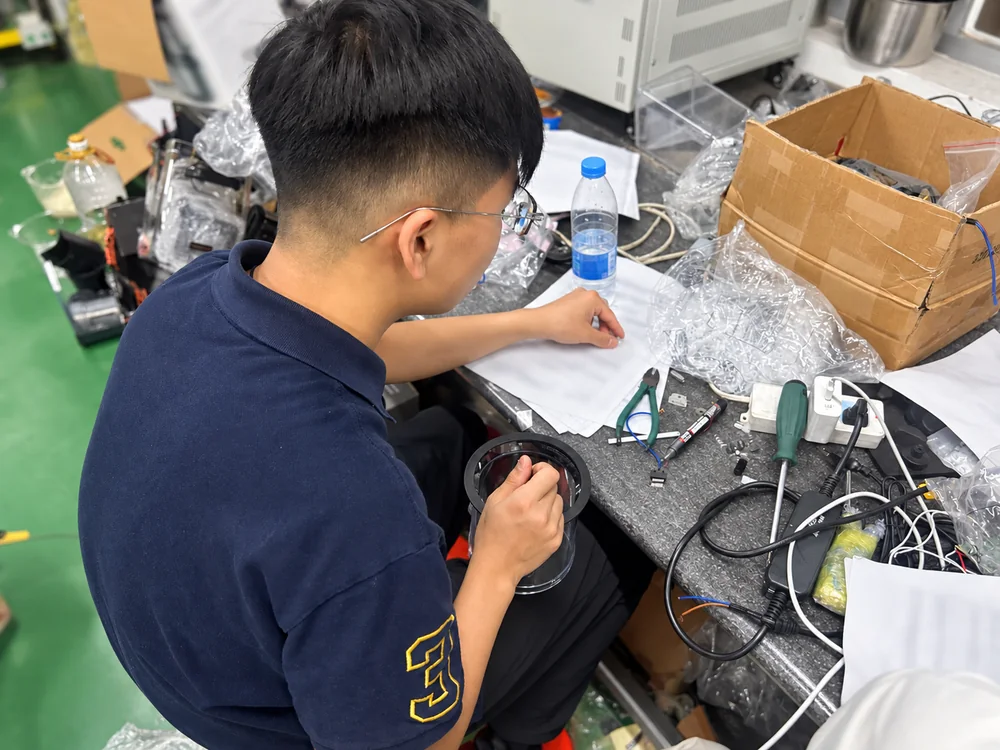
At JINJIE, the quality and testing discussion starts from the agreed model, electrical requirements and requested checks. Ask which sample will be checked, under what conditions and what record the buyer will receive. Keep the resulting record with the sample version that generated it.
The intended use statement also belongs in this review. If marketing wants to add a duty claim or a new application, return that proposal for technical assessment. Changing the wording can change what the buyer is promising even when the housing, plug and photograph stay the same.
Match supporting documents to the proposed product
Begin the document review with the selected model and configuration, not a request for every certificate in the supplier's archive. List the specific files or retailer submissions your project requires. Ask which existing documents apply and which parts of the request need further review.
JINJIE's compliance documentation support connects file review with product identity, electrical setup, markings and destination market. Use that route to establish the applicable evidence for the order. The presence of a document category on a website is a starting point for the conversation, not a conclusion about a particular version.
For each relevant file, record its title, identifier, date, model references and the scope your qualified reviewer considers applicable. If the model name differs from the purchase record, ask for the relationship to be explained. An unexplained name difference should remain an open question rather than being silently corrected in the buyer's copy.
Keep factory production checks separate from external evaluation or market-access documentation. They answer different questions. A functional check on an assembled unit can support the agreed production review; the appropriate specialist must decide whether additional evidence is needed for the target market and channel.
Turn any gap into a defined piece of work. Ask what sample or information is needed, who will coordinate the review, what output is expected and what must be decided first. “Certification pending” is not enough information for planning artwork or a launch date.
Separate the status of a file from the status of the product. A document may be under review while the proposed configuration is still changing. Starting both activities can be useful, but the final evidence must be assessed against the final version. Keep the technical reviewer informed of changes instead of allowing the document discussion to follow an outdated sample.
Request a revised timing estimate after the scope is understood. Additional samples, evaluation work and file preparation may create dependencies outside the appliance's assembly time. Record estimates as estimates and identify the next event that will make the timing more certain.
The commercial decision is whether the proposed version can support the intended launch on acceptable terms. If the evidence or schedule is unresolved, compare a later launch, a different approved configuration or further development. Do not solve an evidence gap by adding an unsupported mark to packaging.
Calculate the consequence of adding or changing a version
A market-version change can affect more than the unit cost. Ask the supplier to separate recurring product differences from sample work, printed-material changes and any additional technical evaluation. This keeps a quotation for the existing configuration distinguishable from an offer that includes developing or reviewing another version.
Consider this hypothetical order: 1,200 units were planned for one version, then the buyer requests 400 of those units for a second market. The total remains 1,200, but the factory now has two version quantities, potentially two marking sets and a new review question. Neither the original unit price nor the original schedule answers those questions by itself.
In that scenario, ask whether the second version has an applicable minimum, whether materials have already been committed and what additional work is required. Compare the revised complete order with the original proposal. The numbers illustrate version planning; they are not JINJIE minimum quantities or an actual customer order.
The timing of the request matters. Before component and artwork commitments, the change may mainly involve revising the proposed plan. After materials or finished units exist, the factory must establish which stock is affected and what can be done with it. Ask for that assessment before approving a new label or revised carton quantity.
If the request involves a change to the product itself, discuss it through JINJIE's OEM and ODM project scope. A different cord arrangement, control specification or component proposal should be evaluated within the actual project rather than treated automatically as a cosmetic option.
Make the approval decision specific: which version, which quantity, which remaining work and which cost basis have been accepted? A general “please proceed” after a long email chain can be ambiguous when one option is ready and another is still being evaluated.
Keep version identity through production and packing
Use a distinct buyer SKU or order-line reference for each electrical version. Agree how that identity appears in the production specification, on the unit and in the packing information. The receiving warehouse needs a reliable way to distinguish similar products without guessing from the destination address.
Keep manuals, nameplates and packaging revisions associated with the correct line. A shared retail design may still contain variable ratings, language or other version information. Identify those fields explicitly so a designer or packing operator can see what must change and what remains common.
Use this release checklist when the proposed configuration is ready for production. It records whether the selected version has completed its required decisions.
|
Release item |
Record to use |
Question before release |
|---|---|---|
|
Ordered version |
Final specification and order line |
Do model, ratings and supplied cord match the decision? |
|
Sample scope |
Identified sample and review record |
Which approvals are complete and which remain open? |
|
Markings and manual |
Approved artwork revisions |
Do the relevant ratings and version details agree? |
|
Required evidence |
Applicable files and specialist review outcome |
Has the evidence needed for this project been resolved? |
|
Quantity allocation |
Units by version and packing identification |
Can production and receiving distinguish each line? |
|
Changes and timing |
Current change record and readiness estimate |
Have the cost and schedule consequences been accepted? |
An incomplete item should have an owner and next action. Avoid marking the whole table complete because a sample arrived or the artwork looks finished. Each row supports a different part of the purchasing decision, and the approval should reflect the work actually done.
Retain the final version record for repeat orders. Ask whether the product, relevant components, markings or supporting files have changed since the last shipment. An unchanged order can use the established reference; a changed requirement needs review before it is passed into production as a routine reorder.
Conclusion
A useful electrical specification lets the buyer, factory and reviewer identify one market version without reconstructing the decision from emails. It connects the destination and intended use with the product, ratings, sample, markings and evidence required for the project.
For a JINJIE inquiry, prepare the selected model, destination countries, sales channel and quantity per version. Include any known supply details and retailer requirements, with unknown fields clearly marked for technical review. Ask for the proposed configuration, the outstanding work and its commercial consequences. Approve the resulting version record before releasing the related production and packaging instructions.
FAQ
Can one model name cover more than one electrical version?
It may, but the purchasing records still need to distinguish the versions. Ask for the factory's reference for each configuration and connect it to your SKU. The relevant documents should be reviewed against that configuration. A shared product name is convenient for a range; it is not a substitute for version identification.
What if my distributor has not chosen the final destination?
Request a provisional proposal with its assumed destination clearly stated. Avoid approving a final electrical configuration or market-specific artwork from an undefined brief. Ask the distributor to resolve the countries and channel requirements before commitment, then have the factory and responsible reviewer assess the selected version on that basis.
Should the warehouse replace a plug on finished stock?
Do not treat a warehouse plug change as an ordinary packing correction. Return the proposal to the manufacturer and the appropriate technical reviewer. They need to assess the existing product, the requested destination and any affected evidence or markings. The buyer should receive an approved course of action before the stock is altered.
Can a retailer's requirement be added after the purchase order?
It can be submitted for review, but its cost and timing effect must be assessed before acceptance. Send the exact requirement and identify the affected version and quantity. Ask which approvals, files or materials need changing. Then record the agreed revision so the retailer request and the production instruction do not diverge.