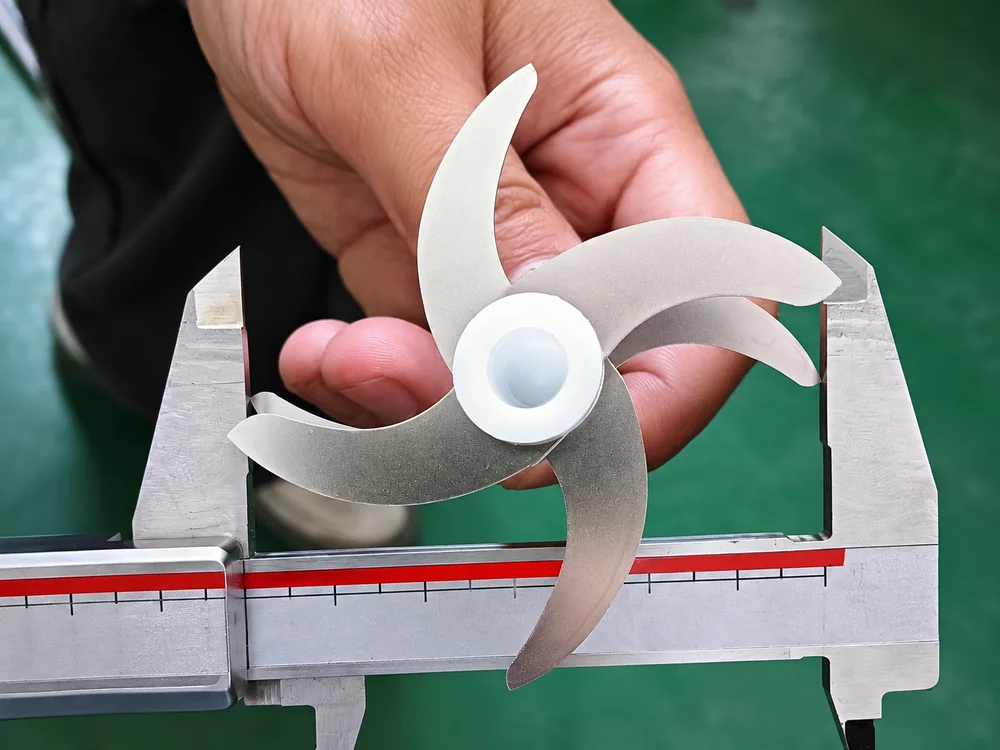
Meat chopper parts inspection should find important mismatches before loose components enter assembly. Start with the parts that determine fit, safe operation and the ordered configuration, then choose a check that can actually reveal the difference you are concerned about.
For an importer or private-label buyer, that means agreeing on more than a request to “check quality.” A blade assembly, motor and decorative housing need different evidence. The purchasing decision is where to concentrate inspection effort and what should happen when a component does not match the order.
This guide covers incoming parts for household electric bowl choppers. It develops an inspection brief around component identity, mating parts, inspection records and the effect of a shortage or substitution on production. It is not a set of engineering tolerances or instructions for operating exposed components. Product-specific limits and powered tests belong to the agreed technical specification and the factory's qualified procedures.
Set priorities for meat chopper parts inspection
An attractive housing cannot compensate for a mismatched lid, an incorrect blade assembly or a motor supplied for another electrical version. Give priority to differences that could affect operation, assembly or the product the buyer has promised to customers. Cosmetic checks still matter, but they should not crowd out these questions.
Ask three practical questions about each part. What would the mismatch change? At which stage is it easiest to detect? What happens to the order if it is discovered later? These questions help a purchasing team explain its priorities without pretending to design the appliance.
For example, a color difference may be commercially important for a branded range. A lid that does not seat correctly belongs to a different kind of review because it concerns the assembled product. Both need requirements, but a color reference and a fit assessment are not interchangeable inspection methods.
Use the table to choose the evidence you need before discussing inspection frequency. The examples are planning categories, not a universal ranking of defects or a prescribed test plan.
|
Part or feature |
Main buyer concern |
Useful evidence |
Decision supported |
|---|---|---|---|
|
Bowl, lid and mating surfaces |
Parts do not fit the intended assembly |
Agreed dimensions and a matched fit check |
Whether the combination can enter assembly |
|
Blade assembly and drive connection |
Wrong version or interface |
Part reference, drawing revision and qualified assembly review |
Whether the supplied part matches the selected model |
|
Motor and related electrical parts |
Another construction or rated version is supplied |
Approved component specification and traceable identification |
Whether the ordered version is being built |
|
Food-contact component material |
Supplied material differs from the agreed requirement |
Applicable material specification and supporting records |
Whether material evidence needs further review |
|
Housing finish and branding |
Visible appearance differs from the approved product |
Controlled appearance sample and agreed viewing conditions |
Whether the retail presentation is acceptable |
The table prevents a common purchasing mistake: asking for a photograph when the question requires a measurement or record. A clear image is useful for an obvious finish difference. It is weaker evidence for material identity or an internal construction requirement.
JINJIE's quality and testing process distinguishes incoming components, first-unit checks, in-process checks and finished-product review. Use those stages to place the requested evidence where it can be obtained. Finding a concern early is useful only if the result remains connected to the parts eventually used.
Define the part and the comparison reference
Give each relevant component an identifiable reference and revision. A photograph helps show appearance, while dimensions and material requirements belong in the agreed specification. State which features matter to assembly and which variations are cosmetic. “Same as sample” is difficult to apply if several samples exist.
On a blade assembly, the shaft, hub and blade arrangement need to match the intended bowl and drive connection. A measurement record should identify the feature measured, its required value or range, the actual reading and the reference used. One close-up without those details leaves the reader guessing what has been checked.
Where a tolerance has not been agreed, settle it with the supplier's engineering team before using it as a rejection threshold. Do not choose a convenient tolerance after seeing the delivered parts. That turns a specification question into an argument about an unstated requirement.
A physical reference sample needs its own identity. Record the model, revision and approval date, then protect it from casual replacement. If it becomes damaged or changes through handling, replace it through a recorded review rather than continuing to treat it as an unquestioned standard.
For several similar models, keep separate references where parts differ. A bowl's stated capacity alone does not identify its lid, connection or blade arrangement. JINJIE's electric meat chopper range provides a starting point for selecting the appliance; the actual component references should follow the chosen configuration.
Give the factory one usable version of the requirements. If the purchase order, drawing and sample disagree, identify which item needs correction before incoming inspection starts. Copying conflicting references into an inspection form does not resolve the conflict.
The buyer does not need every confidential manufacturing detail to communicate a concern. Describe the performance or fit requirement and ask what evidence the factory can provide. Where a detailed drawing is necessary, agree access and permitted use rather than replacing it with an unsupported visual judgment.
Check mating parts together, not only in isolation
Some problems appear only when components meet. Review the bowl, lid, blade assembly and drive connection as the specified group. A loose part can look acceptable while its seating or alignment differs from the reference assembly. Inspection should therefore include both individual identity and the relevant relationship between parts.
Ask which checks can be completed on incoming components and which require an assembled sample. A dimension may be checked before production, while a question about the finished appliance needs a later stage. Keep that distinction visible so an incoming acceptance is not mistaken for completion of every product check.
For a fit concern, the record should name all parts used in the assessment. Otherwise a satisfactory trial with an older reference lid may tell little about the combination being issued to the line. If several approved versions exist, state which combinations are allowed rather than expecting operators to infer compatibility from appearance.
Motor appearance is a poor substitute for its specification. Relevant identification may include the component reference, electrical version and the construction agreed for the model. Keep that identity with the incoming lot. An unmarked photograph of a loose motor is difficult to connect to either a purchase requirement or a finished unit.
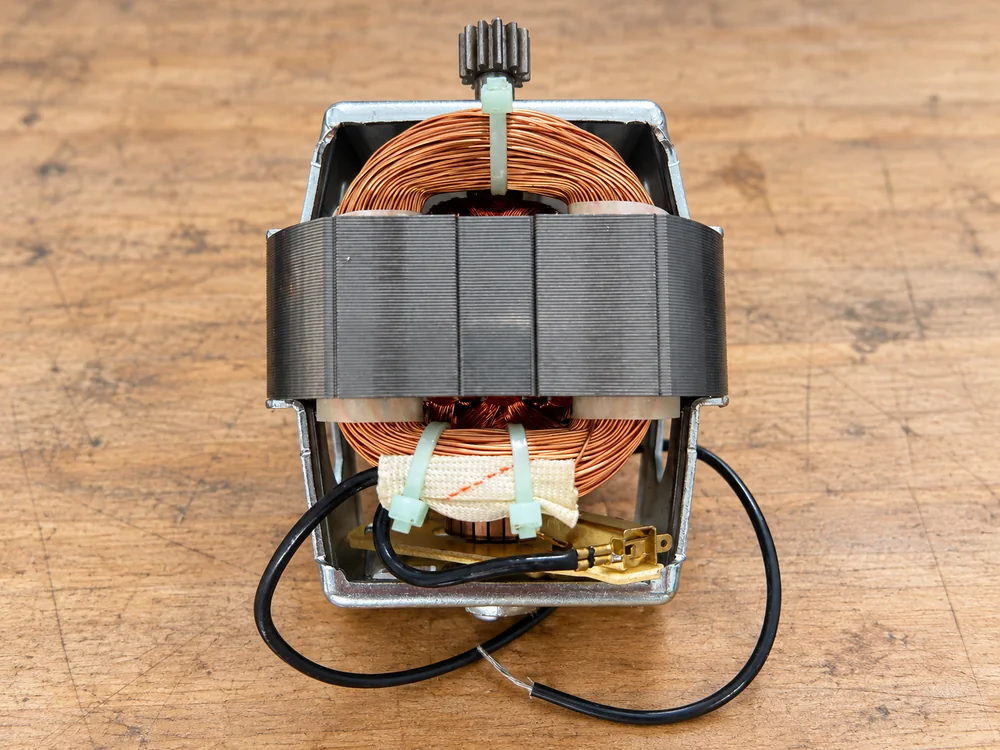
A shortage is a common moment for substitution questions. Ask the factory to identify what changes, which models are affected and what verification the proposed alternative requires. A part that physically fits the housing may still need further evaluation before it can replace the original.
For an OEM project, JINJIE's customization scope is relevant when a proposed component change becomes a design change. Keep that work separate from routine acceptance of the existing part. Additional sample work, revised documents or a new cost basis may be needed, depending on the change.
Keep powered checks within qualified factory procedures. Do not request an improvised demonstration with an exposed blade or a defeated interlock. The useful buyer question is which approved check will establish that the revised combination works as required, who will review it and when the result will be available.
Make each inspection result usable for a purchasing decision
An inspection record should connect the component reference with its delivery or lot, the check performed and the decision. A result without a lot identity may show that one part was satisfactory, but it is difficult to use when deciding which stock may proceed.
Record how parts were selected for inspection and the agreed scope. Sample size and frequency should follow the component risk, delivery circumstances and quality plan. There is no useful universal percentage to copy into every incoming inspection brief. If your business requires a particular sampling system, have the responsible quality team define it before the delivery arrives.
Separate three outcomes in the record: an observed difference, an incomplete check and a completed check meeting the requirement. These lead to different actions. Missing evidence may require another check; an actual mismatch needs a decision about the affected material. Combining them under a single “pending” remark hides the work still required.
Use photographs to make a finding understandable. Include a context view showing the part identity and a closer view showing the difference, with the measurement record where relevant. A folder of close-ups without references can create more correspondence because the recipient cannot identify the affected version.
Ask for actual observations rather than only “OK” where the requirement calls for a recorded value. For a dimensional concern, a result that identifies the measured feature and reading supports a clearer conversation with engineering. For an appearance concern, an agreed comparison method may be more relevant than a number. Retain the measurement units beside the reading and the method reference beside the result. This lets another reviewer interpret the finding without reconstructing the inspection from separate messages or guessing whether two records describe the same feature.
Decide who may release a held lot and where the decision will be recorded. The buyer's commercial contact may coordinate the response, while technical acceptance needs the appropriate reviewer. Name the roles in advance so production is not waiting for several people who each believe someone else is deciding.
Retain exceptions with the order record. A one-order concession should identify its limit and should not quietly become the specification for the next purchase. On a repeat order, review whether the original requirement or an approved permanent revision applies.
Keep stock identity intact through storage and assembly
At the storage stage, staff need to distinguish components awaiting review, accepted stock and parts held for investigation. The method can be simple if it stays visible when containers move. A status recorded in an office is less useful if the material itself cannot be connected to that record.
For a delivery containing similar versions, follow the identification into the smaller containers issued to assembly. A label left only on the original delivery box may stop being useful once its contents are split. Ask how part reference, lot identity and release status remain associated with the quantities actually used.
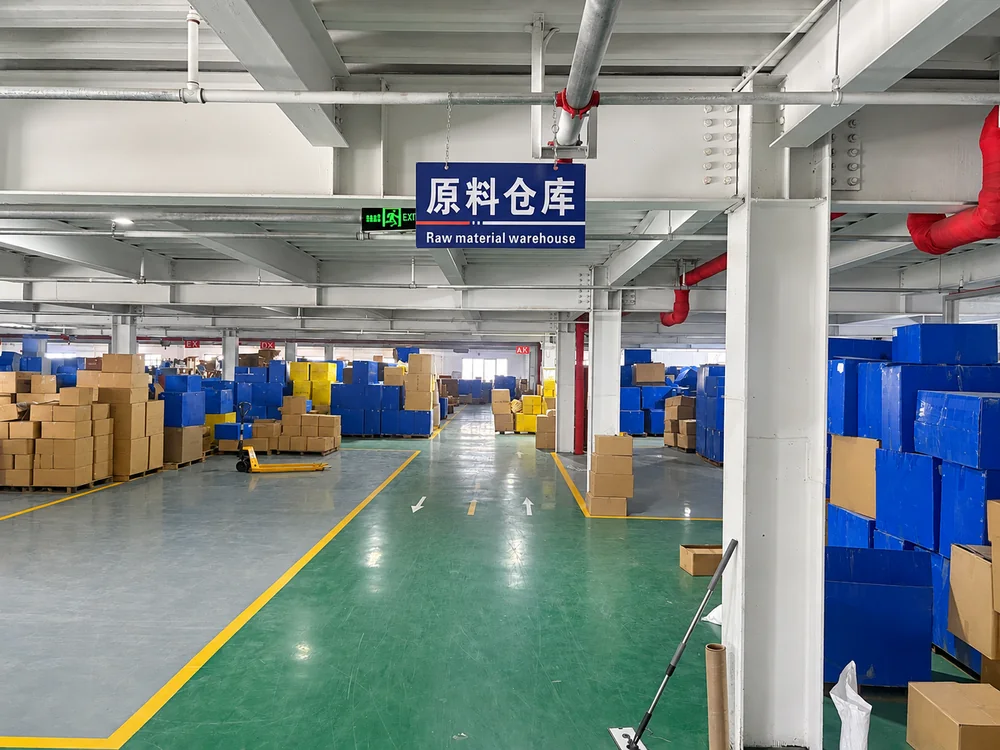
Consider this hypothetical situation: a delivery contains two lid versions in separately marked cartons. Both versions have acceptable stock, but only one belongs to the current order. If operators transfer them into an unmarked shared bin, the incoming checks no longer tell the assembly team which lid to select. The corrective action is to restore identification and verify the affected stock, not simply repeat a photograph of the original cartons.
The example also shows why accepted does not mean interchangeable. A part can meet its own specification and still be wrong for a particular production order. The component list issued to the line should define the required version, while stock records show which material is available for that version.
JINJIE's manufacturing workflow connects component preparation with assembly and first-unit review. When discussing your order, ask how the requested parts checks connect to that handover. Concentrate on one selected configuration so the answer can be followed through an actual production sequence.
Keep the purchasing consequence visible. If a held lot is shared across several planned orders, its impact may extend beyond the batch where the concern was first found. Ask which orders use the affected part and whether unaffected material is separately identifiable. That gives planning a basis for discussing dates without assuming every order must stop or every order can continue.
Choose a response when a part does not match
The immediate step is to keep affected material out of normal use while the factory establishes the scope. Then compare the proposed responses: replacement, controlled rework, additional checking or an evaluated alternative. Each option should answer the original requirement and explain the effect on production.
Use the following action table to turn a mismatch report into a decision.
|
Stage |
Information needed |
Decision or action |
|---|---|---|
|
Identify |
Part reference, lot and observed difference |
Establish what is affected and keep it distinguishable |
|
Assess scope |
Checked quantities and any stock already issued |
Determine which materials or assemblies need review |
|
Propose a remedy |
Replacement, rework or alternative with required verification |
Compare a technically acceptable route and its timing |
|
Review commercial impact |
Revised readiness date and any confirmed extra cost |
Decide how the order plan should change |
|
Release |
Reviewer, result and permitted scope |
Authorize only the material covered by the decision |
|
Prevent recurrence |
Cause identified and follow-up assigned |
Update the relevant supply or inspection step |
Avoid accepting a general “problem solved” message without knowing what changed. Conversely, do not demand a long report for every minor issue when a short, traceable record answers the decision. Match the detail to the consequence and keep the essential identity and release information.
Replacement may preserve the original configuration but take longer. Rework needs a defined method and a subsequent check. A substitute may preserve timing but create a new evaluation task. Compare these consequences before choosing the fastest-looking answer. A schedule gain has little value if it leaves the finished product unresolved.
Ask for the readiness date after the remedy and required checks, not only the arrival date of replacement parts. Assembly planning needs usable components. If the impact is uncertain, request the next decision date and the information expected then rather than treating an early estimate as a fixed shipment commitment.
Conclusion
Incoming inspection is most useful when a buyer can follow a requirement into a part, a result and a stock decision. Concentrate effort on the component differences that matter, inspect mating parts as the intended group and preserve identity when material moves toward assembly.
To discuss meat chopper parts inspection with JINJIE, send the selected model, the component concern and the comparison reference you already have. Ask the team to propose where the check belongs, what record it will produce and how a mismatch will be handled. That creates a defined inspection brief without asking every part to undergo the same review.
FAQ
Can I inspect components before approving a finished sample?
Yes, for requirements that are already defined. Record which checks are provisional because the assembly or design is still changing. Once the finished configuration is approved, reconcile those earlier results with its component references. Early inspection can support development, but it should not freeze an obsolete part into the production specification.
Should an inspector reject a part if no tolerance is written?
Escalate the missing requirement to the responsible technical reviewer. Record the observation and keep affected material under an appropriate hold while the acceptance basis is resolved. Inventing a limit after inspection makes the decision harder to defend. A clear existing mismatch, such as the wrong identified version, may already have a defined response.
What if the supplier will not share a detailed component drawing?
Ask for the relevant requirement and a check record that answers your concern without disclosing unrelated design details. Depending on the issue, controlled access, a marked feature diagram or a report against an agreed specification may be suitable. If the evidence remains insufficient for your purchasing decision, resolve access before committing to that requirement.
Do repeat orders need the same discussion every time?
Retain the approved inspection brief and review changes rather than rebuilding it from nothing. Ask about component revisions, source changes, previous exceptions and new market versions. An unchanged order can use a stable reference; a changed component needs an explicit decision about whether the existing checks still answer the relevant questions.