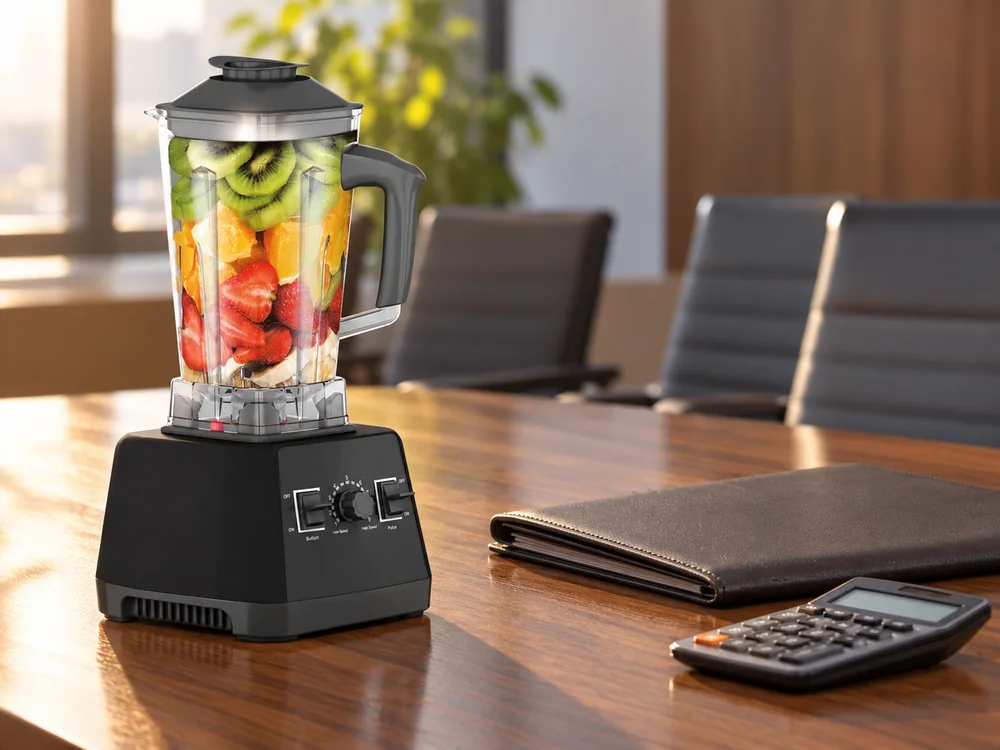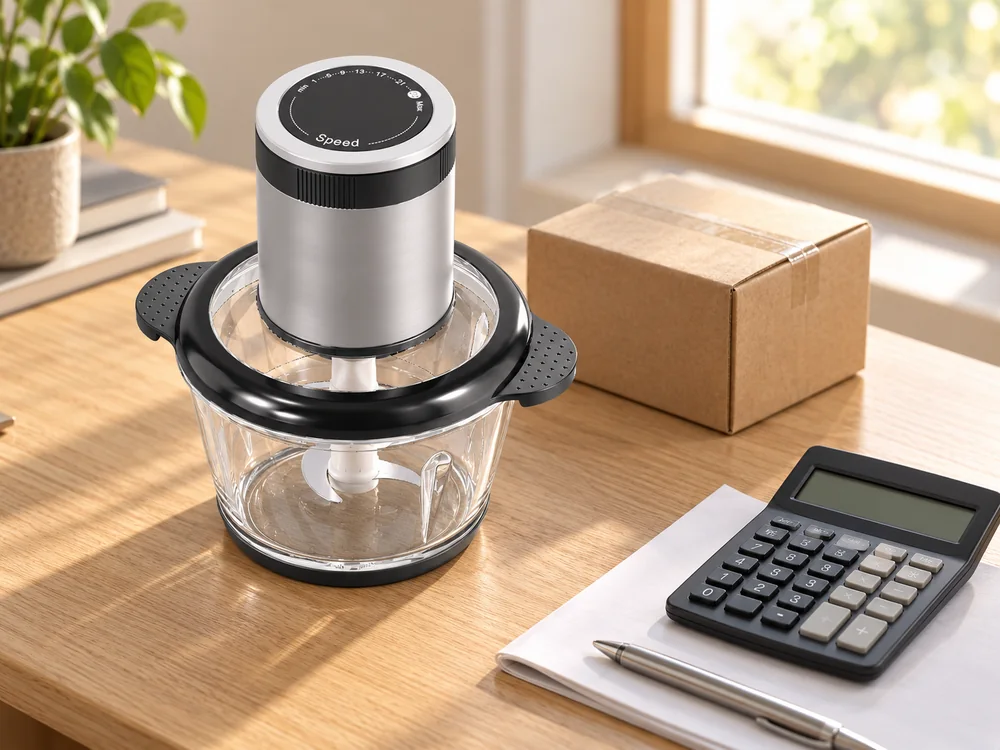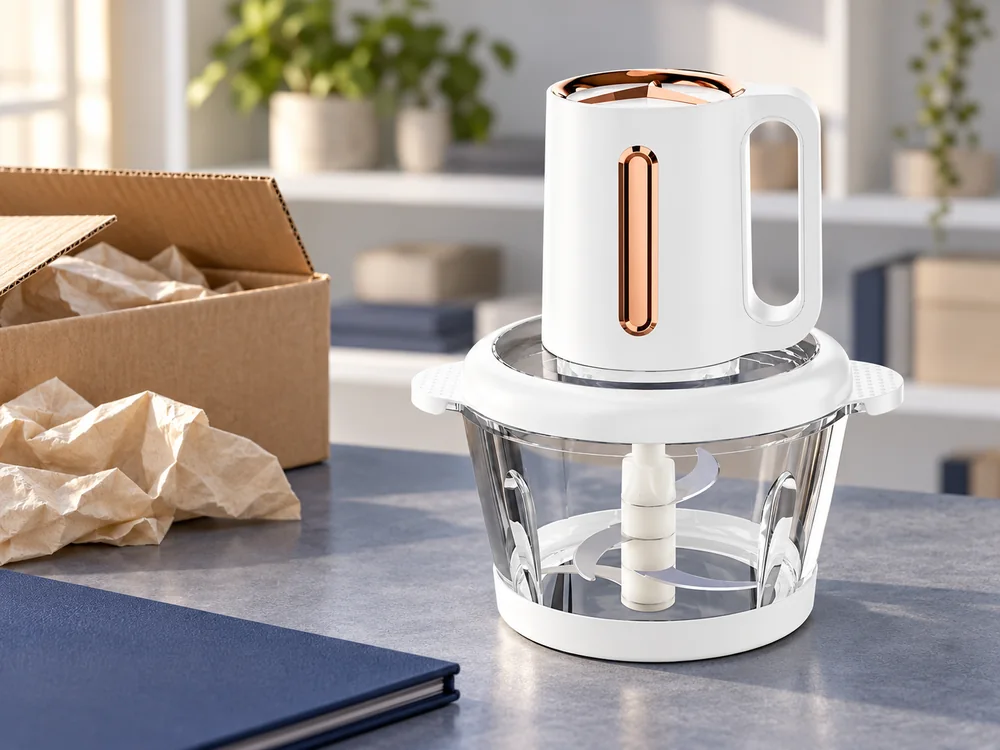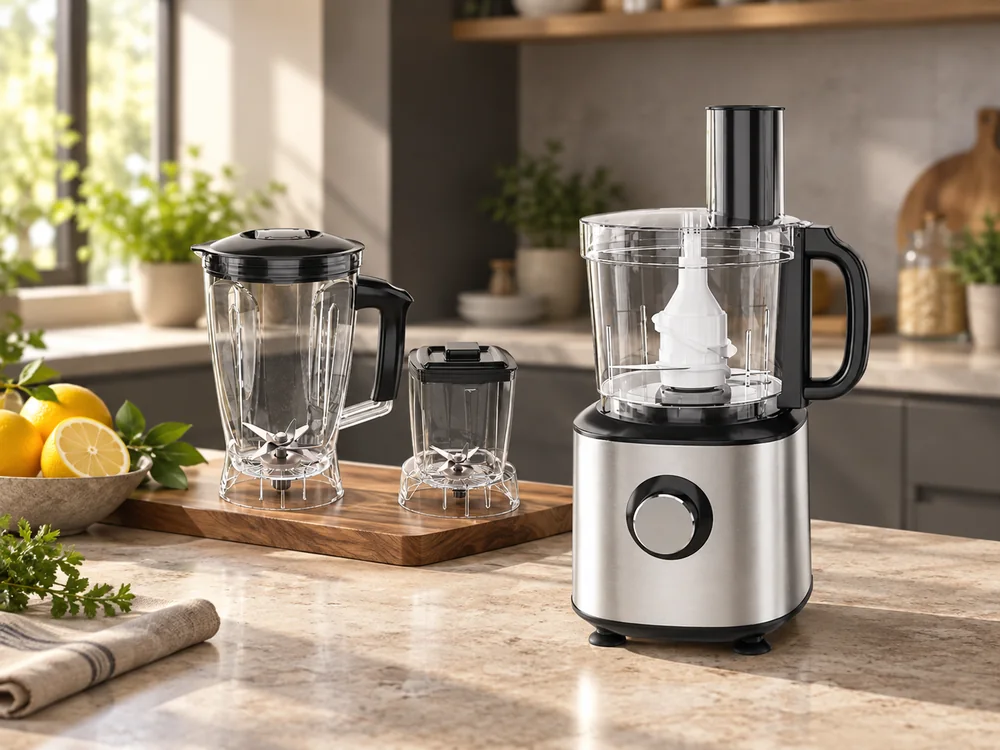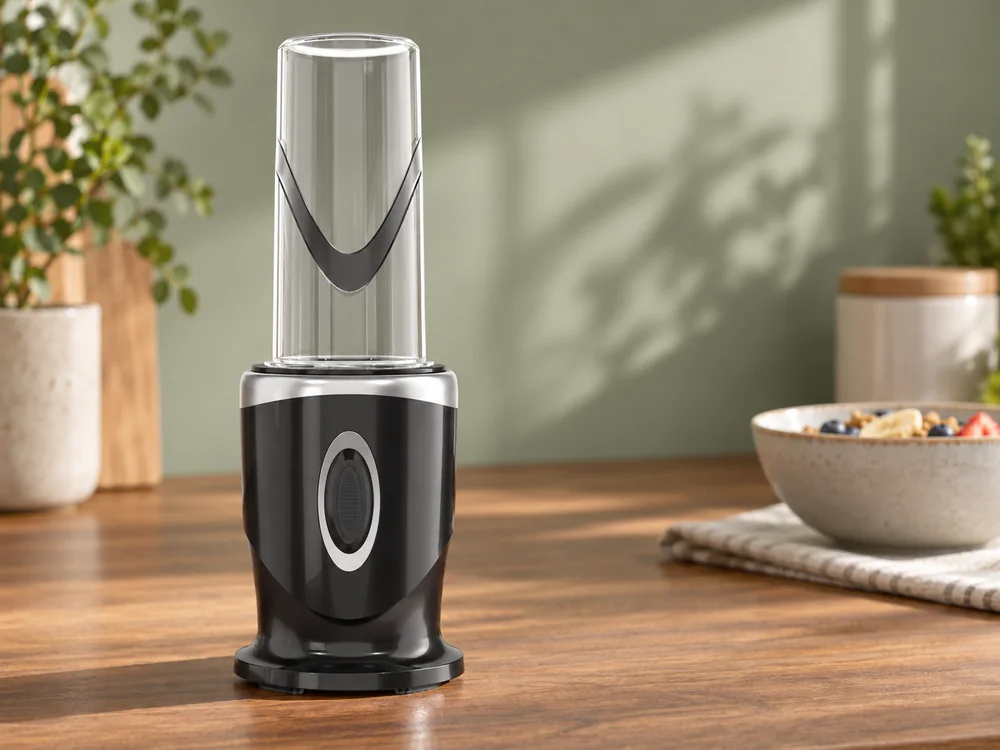
When comparing mini blender manufacturers, decide whether you are buying a small countertop appliance, a blend-and-drink cup system or a cordless product. A compact photograph can suggest all three, but the supplied parts and operating method may support only one. The purchasing brief needs to describe the customer's routine before it describes the product's size.
For an importer or private-label brand, the central choice is the complete cup-and-base system. How is the food loaded? Which assembly is fitted for blending? What happens after operation? Can the customer drink from the supplied container, or must the contents be transferred? These answers determine the retail offer and the items that must appear in the quotation.
JINJIE's current quotation includes BL1461 with a nominal 0.6 L AS container and a 400 W entry. Its reference image shows a small-cup format on a separate motor base. Those facts provide a product starting point. They do not establish battery operation, a supplied travel lid, a leakproof carrying claim or any particular recipe result.
Ask mini blender manufacturers which product system they are offering
Begin with the point of use. A customer preparing a drink beside a kitchen outlet does not have the same requirement as someone blending away from mains power. If portable operation is essential, make the power arrangement an explicit requirement. Do not accept a compact mains-powered proposal as an answer simply because the cup can be lifted off the base.
Next decide whether the processing container also needs to be the drinking container. A removable cup does not prove that a drinking lid is included or that the container is intended for carrying a prepared drink. Ask the manufacturer to identify the complete supplied system and the documented uses of each item before describing it as blend-and-go.
The JINJIE blender range is a starting point for discussing the required appliance and jar assembly. Use BL1461 as a reference for a small-cup inquiry, then ask which current configuration addresses the intended routine. If another model is proposed, compare the whole system rather than treating the same nominal volume as equivalent.
The product image can help identify the architecture. BL1461's reference shows the container positioned above the base in an inverted arrangement. That makes the cup-to-base assembly relevant to the purchase, but the image is not an operating instruction. Obtain the actual loading, fitting, removal and cleaning information for the selected sample.
Separate mini from single-serve in the retail brief. A small nominal container may fit the appearance of a personal product, but the permitted filling level and intended serving need separate consideration. Do not translate the nominal 0.6 L figure into a guaranteed finished-drink quantity or assume that the customer can fill the container to its physical brim.
If the customer's main need is ordinary jug blending for several people, a small-cup format may not be the right starting point. Keep it in the shortlist when its actual routine creates a useful advantage. The manufacturer selection becomes more meaningful once the buyer knows which system it is asking each source to supply.
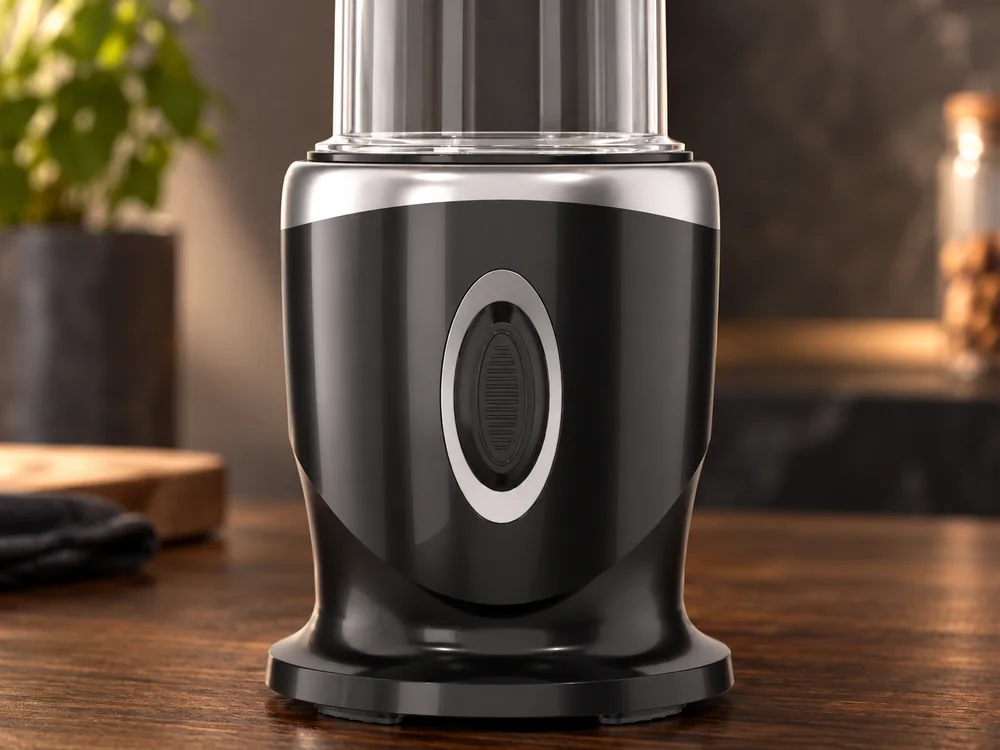
Identify the cup, blade assembly and any additional lids together
A small-cup offer needs a parts description that follows the complete product. Ask which container, blade assembly, sealing components and base belong together. Where a lid or another cup is proposed, identify whether it is included, optional or unavailable. A product family photograph can show alternatives that do not all belong in one retail box.
The BL1461 quotation lists the container material as AS and the nominal volume as 0.6 L. Keep those fields attached to that model. They should not be borrowed for another cup shown in a sample set, and they do not establish cleaning or carrying characteristics. If the proposal changes a component, ask for its own description.
|
Part of the proposed system |
Information to obtain |
Why it affects the purchase |
|---|---|---|
|
Processing container |
Model reference, material, nominal size and permitted filling information |
Identifies the vessel without confusing physical capacity with the intended batch |
|
Blade and sealing assembly |
Parts supplied with the selected cup and the relevant instructions |
Establishes the matched operating combination |
|
Motor base |
Electrical version, controls and compatible cup arrangement |
Keeps the quoted appliance consistent with the sample |
|
Additional lid |
Its actual purpose and whether it is supplied |
Prevents an unsupported drinking or transport promise |
|
Extra container |
Compatibility, contents and quotation basis |
Shows whether the extra cup creates a complete useful set |
Ask how the cup assembly is identified if several visually similar versions exist. The purchasing team needs a reference that can be carried into sample approval and ordering. Do not assume that a matching diameter or thread appearance makes another cup compatible. The manufacturer must confirm the intended combination.
Consider what an extra cup would let the customer do. It might be useful only if the relevant lid or other required item is also included and approved. An extra vessel by itself may not create the routine shown in the marketing image. Price the complete proposed benefit rather than adding an accessory because the set looks more generous.
The same care applies to cleaning. Ask which pieces the user removes and which must remain assembled, following the product instructions. Do not design a cleaning demonstration from a parts photograph. Removable does not necessarily mean dishwasher-safe, and a visible seal is not permission to take apart the assembly in any convenient way.
Keep optional parts out of the base offer until they are confirmed. The retail team can still discuss an expanded set, but its contents need a separate line in the proposal. This makes it possible to compare a simpler product with a genuinely complete alternative instead of comparing two prices that hide different responsibilities.
Evaluate the preparation-to-drinking routine
Describe the ingredients, their starting condition and the desired consistency. The manufacturer can then identify whether the proposed product is suitable for consideration and which operating limits apply. “Smoothies” is a broad description. It should not quietly introduce frozen ingredients, ice, hot liquids or unusually thick mixtures that have not been confirmed for the selected model.
Follow the entire documented routine on the sample. Observe loading, assembly, operation, removal and transfer or drinking, as applicable. A demonstration that ends with the cup still on the base leaves part of the customer's experience unanswered. Buyers need to see how the prepared contents become usable without improvising a method.
Pay attention to the transition after blending. Ask which component is removed and what is fitted next, if anything. Assess the handling using the actual supplied parts. Do not stage an image of a drink being carried unless the confirmed system supports that use. A kitchen preparation scene can communicate the product naturally without promising travel capability.
Review the finished result against the agreed requirement. Describe whether it suits the intended drink or preparation, including any further steps the customer needs. Avoid inferring a result from the number of blade edges or the listed power. Those fields identify features; they do not replace evaluation of the intended ingredients and method.
For a serving requirement, ask about the usable preparation quantity within the instructions. The nominal container capacity may be larger than the permitted loading for a particular task. The buyer should compare the amount the customer needs with the documented method, not with a convenient interpretation of the liter figure.
Consider the work left after use. Which components need washing? How are they dried and stored? Is the routine understandable for the intended user? These questions can determine whether a small-cup product suits an everyday position. Do not advertise a quick-clean benefit without understanding the actual care requirements.
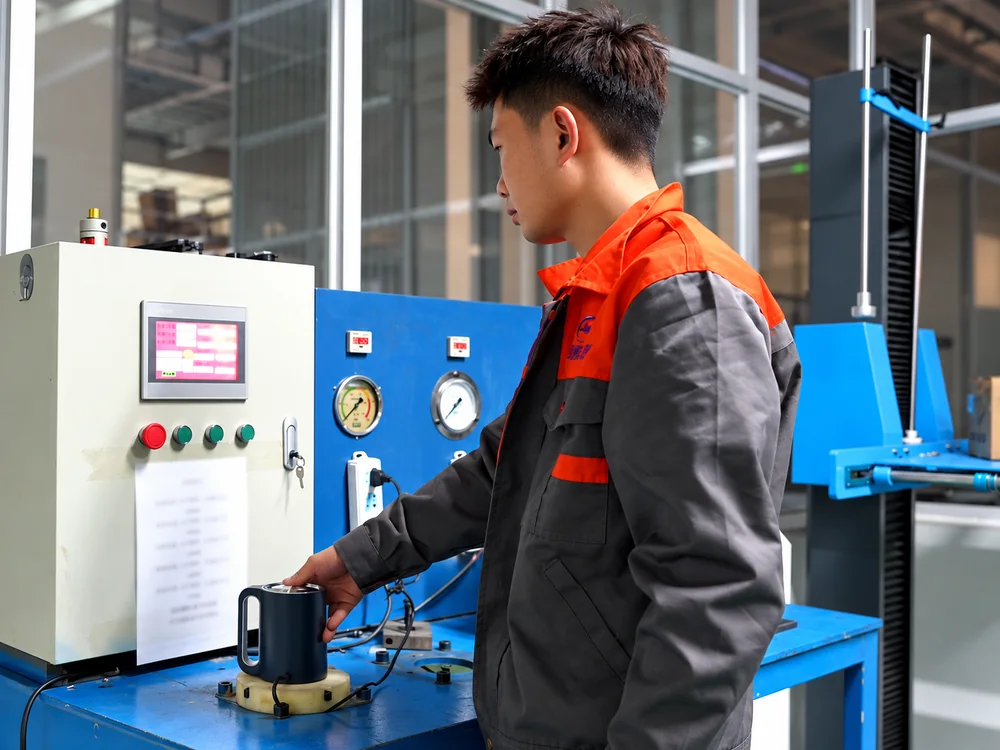
JINJIE's quality and testing information supports a discussion of checks for the identified appliance. Agree which question the evaluation should answer. A preparation result, a component-fit observation and an electrical test are not interchangeable evidence, even when all concern the same sample.
Use samples to resolve the choice between complete offers
Before ordering samples, identify the uncertainty that could change the purchase. One project may depend on how the container is handled. Another may need confirmation of the main recipe. A third may be comparing a base set with an additional-cup offer. Request the configuration that answers the actual question.
Ask whether the sample contains the same parts proposed for the retail set. If it is a demonstration version, record what differs and which conclusions can still be drawn. A sample without the proposed additional lid cannot settle whether that lid completes the intended customer routine. The missing item should remain an open question rather than disappear from the review.
For comparable preparation trials, retain the ingredient condition, quantity, electrical version and operating method with the result. If those conditions differ between samples, describe the difference. An attractive finished drink from one demonstration does not prove that another product would perform differently under the same method.
Inspect how the physical interface matches the written explanation. The reference image for BL1461 shows a front control, but the image alone does not establish every operating mode. Ask for the actual instructions and demonstrate the permitted interaction. Avoid inventing pulse settings, automatic programs or other functions from the appearance of a button.
If the sample differs from the offer in a way that matters, ask for the relevant response before selecting the product. A cosmetic difference may leave the preparation question assessable, while another cup or assembly can change the system being evaluated. Treat the consequence of the difference specifically rather than declaring every nonfinal sample either useless or acceptable.
Keep rejected alternatives identifiable. Record why a product did not suit the brief, such as an unsuitable routine or an unresolved essential feature. That prevents the same alternative from returning later as a lower-price substitute without the original limitation being considered. It also leaves room to use it for a different, appropriate retail project.
The result of sampling should be a product decision and a short list of remaining requirements. If the core routine is supported, optional presentation work can follow. If it remains unresolved, another color sample will not improve the evidence. Ask for the missing product answer or continue the search for a more suitable system.
Compare branding and price for the actual supplied set
Give the manufacturer a complete inquiry after selecting the product direction. Include the reference, market, electrical version, intended use, supplied items and expected quantity. Separate mandatory requirements from optional presentation choices. A clear inquiry makes it easier to compare alternatives without losing the feature that motivated the purchase.
The OEM and ODM options describe branding a current JINJIE product and separately assessing design changes. For a small-cup project, changing the color or retail box differs from adding another cup interface or revising the power arrangement. Ask which work the proposal actually requires and what remains subject to technical review.
Obtain the price of the complete set. If an extra container or lid is essential, show it beside the quoted amount. Ask about any separate project charges and the actual quantity conditions. Do not assume that a small container means a lower minimum order or that all proposed accessories can be included at the same unit price.
Packaging can change the commercial comparison. An expanded cup set needs protection and a clear layout, which can affect package dimensions and packing work. Request the actual proposed packed information for each offer. A comparison based only on the motor base overlooks what the business will transport, store and sell.
Use a contents image that represents the quoted set. Keep decorative drinkware and kitchen props clearly outside the included-items information. If photography is prepared before the final pack is settled, check it again against the accepted contents. The original visual concept should not become a reason to supply or advertise an unconfirmed part.
Ask how an optional change affects preparation and readiness. A current finish may be available on different conditions from a new requested color, but the supplier needs to explain the actual proposal. Keep dates connected to the selected product, packaging and buyer approvals. A general statement about factory activity is not a delivery promise for this order.
For the destination market, coordinate the electrical description, nameplate, instructions and retail wording. The compliance documentation discussion is a route to request the relevant product files. Do not treat a general list of documents as confirmation that every cup, base and market version is covered by the same record.
Choose a retail role the small-cup product can support
Write the customer's reason to choose the product without relying on “mini,” “portable” or “multipurpose” alone. A useful description might concern the supported preparation routine and the actual supplied set. Keep its physical size and functions factual. The product does not need to answer every personal-blender search to serve a defined household need.
|
Difference between proposals |
Decision for the buyer |
Information to preserve |
|---|---|---|
|
One is mains-powered and another is offered for cordless use |
Select the power arrangement required by the customer |
Confirmed operating architecture, not a portability assumption |
|
One requires transfer and another includes a confirmed drinking arrangement |
Choose the customer routine the retail offer will explain |
Exact container and lid contents with their documented uses |
|
An extra cup is proposed |
Decide whether it adds a complete useful function |
Compatibility, necessary associated items and the full set price |
|
A recipe requirement remains unsupported |
Narrow optional scope or keep the core choice open |
The unresolved ingredient and preparation requirement |
|
The expanded set changes packed size or order conditions |
Compare the total offer with the channel's needs |
Configuration-specific packing and commercial terms |
If the larger blender already in your range serves the same intended customer task, explain what the small-cup product adds. It may offer a different handling routine, but that needs to be visible in the product and supported by the included parts. A smaller image and a lower price tier do not automatically create a distinct proposition.
Avoid expanding the launch into several nearly identical cup sets before the first offer is clear. Every set needs accurate contents, packaging and purchasing identification. Add a variation when its difference is useful enough for the retail team to explain and the business to support. Otherwise, retain it as an option for a later inquiry.
Plan how the selected configuration will be identified after the first order. If an additional cup or replacement item is part of the intended customer service, confirm both availability and compatibility before advertising it. An accessory pictured during sampling is not an ongoing supply commitment.
The buying decision is complete when the selected system supports the promised routine and the quotation includes what that routine requires. Keep any unconfirmed travel, recipe or accessory idea outside the offer. This gives the manufacturer a specific product to prepare and the retail team a product it can describe accurately.
Request the small-cup system you need
Send JINJIE your mini blender requirements with the intended preparation, preferred container format, destination market, quantity and required set contents. State whether a drinking arrangement or any other feature is essential. Ask for a matching current proposal and the product information needed to make that choice.
FAQ
Can a removable processing cup be sold as a travel cup?
Only when the selected system supports that use with the appropriate supplied items and product information. Removability alone does not establish a drinking lid, carrying suitability or leak resistance. If travel use is essential, request confirmation before choosing the product or preparing the retail wording.
What if the manufacturer offers an extra cup without an extra blade assembly?
Ask how the proposed set is intended to be used and what associated items it requires. One shared assembly may or may not suit the intended routine, depending on the actual product. Compare the complete offer rather than assuming that an additional cup is independently ready to use.
Does BL1461's 400 W entry prove it can process ice?
No. The rating identifies the quoted version. Ice use needs confirmation in the selected model's operating scope and relevant evaluation. If that is the main reason for purchase and remains unsupported, keep the product choice open rather than borrowing a claim from another blender.
Can I approve the basic set while an optional lid is still under discussion?
Yes, if the basic set independently meets the agreed customer need and the lid is clearly outside that commitment. Give the approved offer its own contents and images. If the lid is necessary for the central product promise, resolve it before treating the complete retail system as selected.