A distributor presents a new appliance to several dealers and receives positive replies. Those replies do not yet establish how much stock the dealers will buy, when they will pay or which complete product they expect. Placing a factory order against that interest can leave the distributor financing goods that its channel has not committed to take.
When sourcing private label kitchen appliances for distributors, the useful decision is whether a defined own-brand offer can move through the dealer network on commercial and operating terms the distributor can support. The appliance needs a customer role, but the proposal also needs a wholesale unit, a funded opening commitment and a workable handoff to independent resellers.
This guide concerns household food-preparation products such as bowl choppers and countertop blenders within JINJIE’s relevant scope. It does not announce an authorized JINJIE dealer program, territorial rights, local stock or a standard credit policy. A private-label purchase and an appointment to distribute another company’s brand are different arrangements. Establish which relationship you intend before requesting terms.
Choose the relationship and the channel job
An own-brand distributor buys an identified product for resale under its chosen identity. It may supply independent shops, regional wholesalers or online resellers. Those customers make their own purchasing decisions. Unlike a chain’s centrally controlled branches, they do not automatically share one allocation plan, product page or launch date.
Write down who owns the customer-facing brand and who sells to whom. Identify whether your business imports the goods, receives a domestic supply or purchases through another commercial party. This determines where product and market preparation, receiving, dealer delivery and customer support must be arranged. A single manufacturer contact does not remove those downstream jobs.
Define the gap in the dealers’ ranges. The opening appliance might serve a compact household preparation role or provide a different bowl format from existing stock. Ask dealers how they would explain that role and which current offer it would sit beside. “A new product from China” is not a customer proposition.
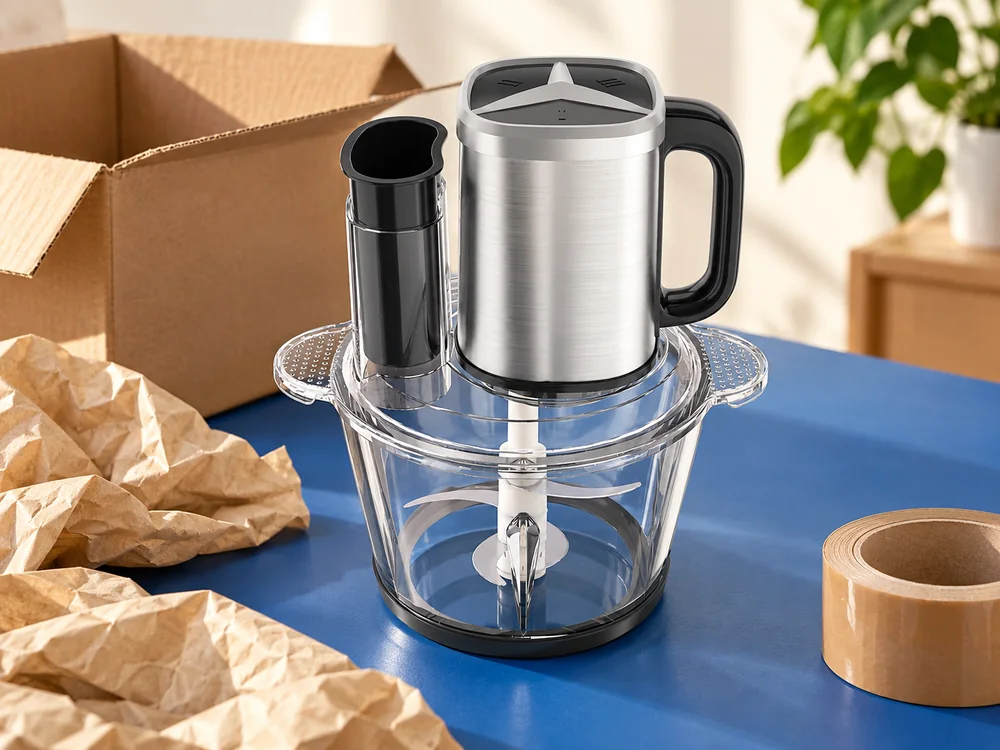
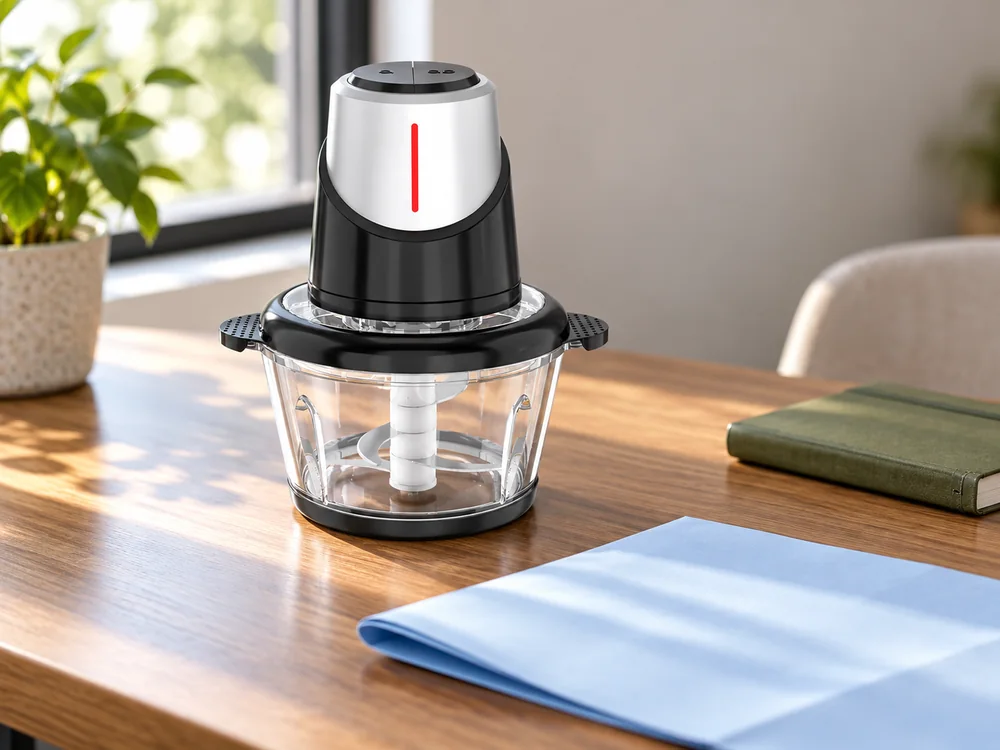
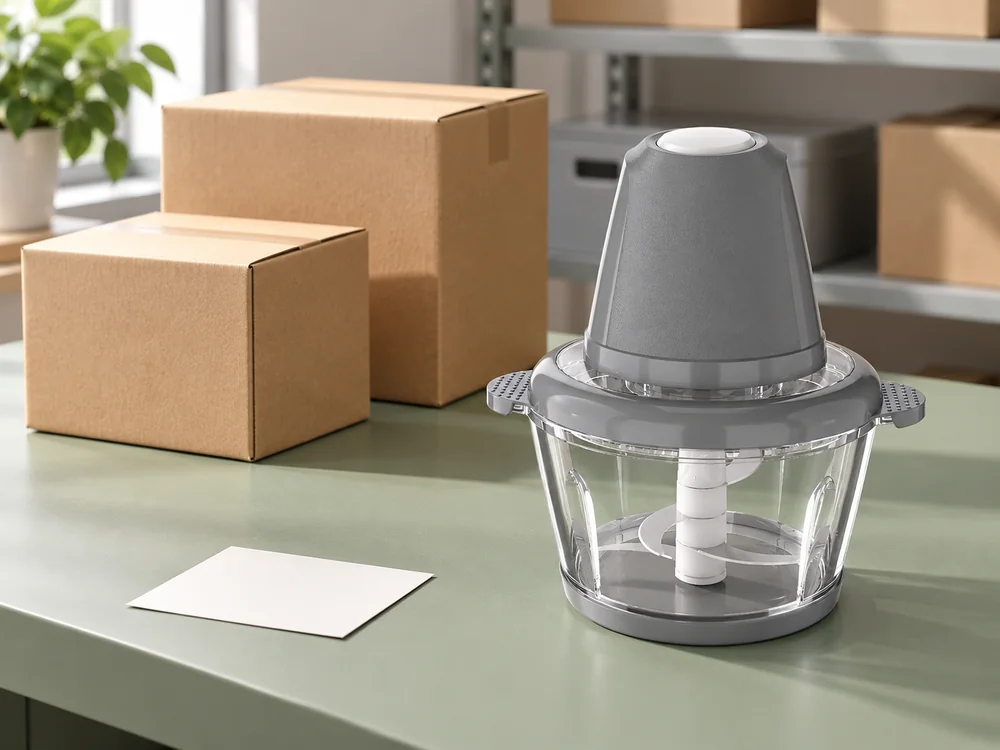
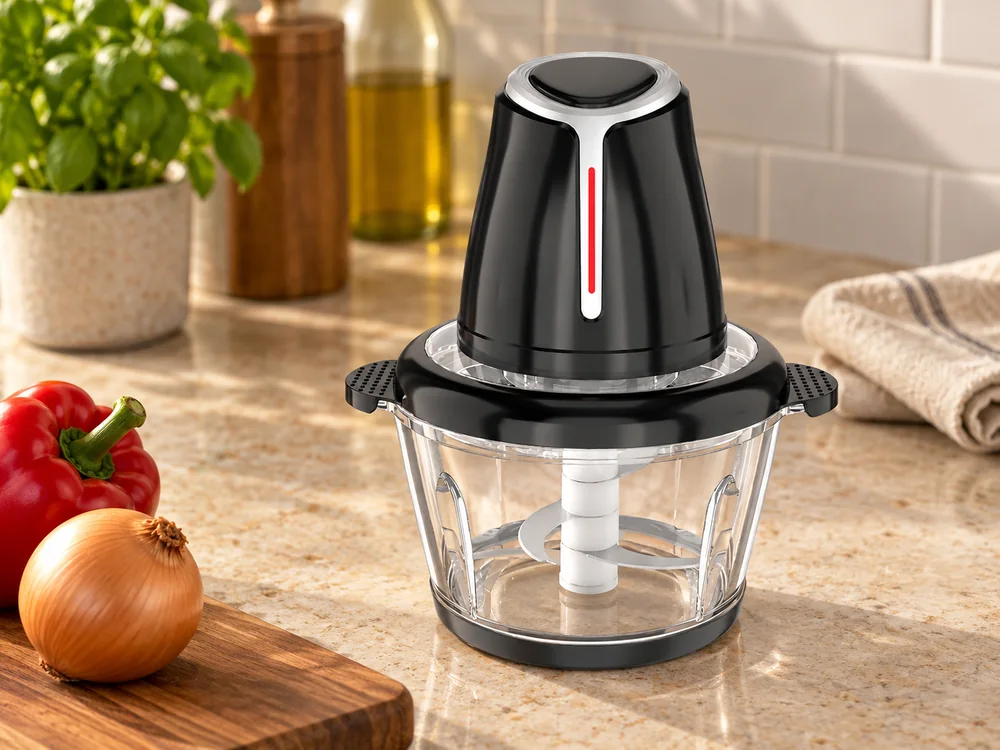
Start with a supported household category rather than filling every gap with one supplier. The JINJIE electric chopper range offers a concrete starting point for bowl-based products. If dealers also want heating appliances or restaurant equipment, keep those requests outside the confirmed basket until an appropriate source is established.
Decide what your distribution service adds. It may be locally available stock, smaller onward purchases, accurate product information or a defined support route. Price and fund the service your business will actually provide. Do not promise capabilities simply because dealers would find them useful or because another supplier advertises them.
Turn product interest into a complete dealer proposition
Bring dealers one intelligible offer. Identify the actual model, destination version and complete supplied set, then explain its customer role. A photograph showing optional accessories can create a different expectation from the quoted unit. The dealer needs to know what it can sell before judging the wholesale price.
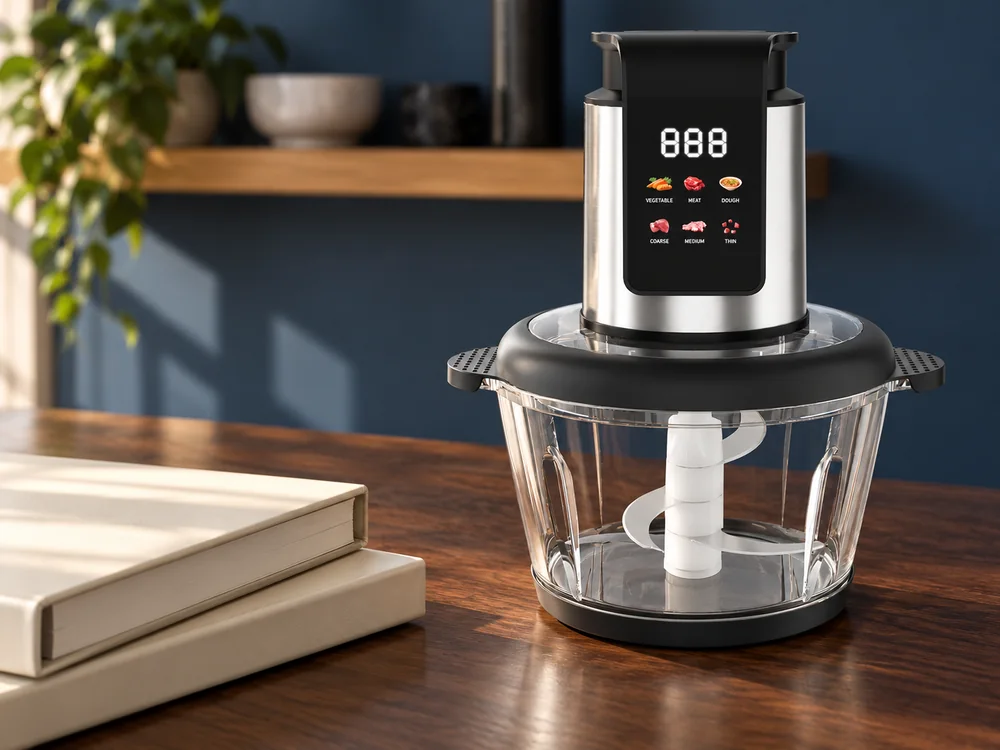
For example, the current JINJIE quotation identifies SD-03 as a nominal 3 L glass-bowl chopper rated at 500 W with digital controls. The glass bowl makes the visible assembly easy to show in product information. These quotation fields do not establish food load, throughput or the meaning of every display icon. Use confirmed operating information for the customer promise.
Keep the proposal’s product identity recognizable to both sides. Your dealer code can coexist with SD-03, but the factory reference should remain available for questions about the supplied version. A new commercial name does not turn a later control or supplied-set change into an unchanged item.
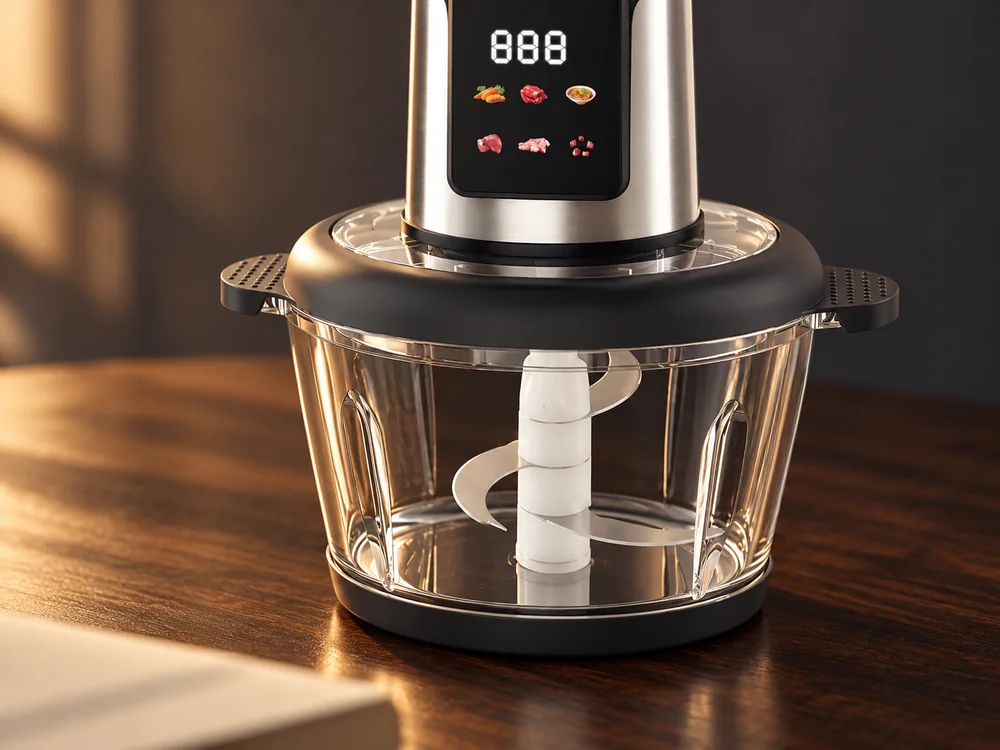
Compare the dealer’s whole proposition, including saleable contents, available presentation, order unit and support arrangement. A lower unit price can be less useful when the dealer must explain missing items or fund separate preparation. Conversely, an elaborate set can create cost without serving a customer task the dealer can sell.
Distinguish evaluation from final approval. A dealer-facing sample may help assess handling and the customer explanation. Once the offer is selected, the agreed production version and branded presentation may still need approval. A successful demonstration of a standard sample does not finish work that sample did not contain.
Discuss branding through the JINJIE OEM and ODM process. State which presentation belongs to the opening order and which optional changes remain proposals. Avoid showing dealers a speculative finish as the confirmed launch product while requesting a different version from the manufacturer.
Separate dealer commitments from indications of demand
A request for a catalog, an encouraging conversation, a forecast and an accepted dealer order provide different bases for buying stock. Record them separately. Do not add every expression of interest into a quantity column called confirmed demand.
Identify what each dealer response actually commits to. An order can remain dependent on agreed conditions, and a reservation may have its own limits. Use the actual commercial record. Where no obligation exists, the distributor is choosing to carry stock for possible demand, rather than passing through a settled downstream purchase.
Consider an invented illustration: eight dealers each indicate that they may want 30 units. That creates 240 units of interest. If only three have accepted purchases of 30 units on the relevant terms, the identified committed quantity is 90. The remaining 150 are prospective, not confirmed merely because the product received a positive reception.
This distinction does not require waiting for every dealer before placing an opening order. Stock availability may be part of your service. It does require making the extra exposure deliberate. If the available factory commitment is 500 units, the business must fund and place the difference between that commitment and its downstream orders. The example does not state JINJIE’s minimum.
Ask what evidence would justify that exposure. Relevant evidence might come from the distributor’s comparable category sales, dealer customer base or a bounded product trial. Assess its applicability to the new offer. A dealer’s past sales of a different appliance are useful context, not a guaranteed sales rate for this one.
| Dealer response | What it contributes to the purchase | What remains open |
|---|---|---|
| Catalog or sample request | Interest in evaluating the offer | Quantity, acceptance and payment commitment |
| Indicative forecast | A planning assumption from the dealer | Basis, timing and whether any purchase is binding |
| Accepted purchase with conditions | Identified downstream commitment | Remaining conditions and actual payment events |
| Repeated purchase of the same offer | Evidence of an established buying pattern | Current demand, stock and unchanged product scope |
| No commitment, but distributor stocks locally | A deliberate service proposition | Funded exposure and a credible route to sell the stock |
Compare the wholesale contribution on the right basis
The distributor earns its result from the amount it receives, not the consumer shelf price advertised by a reseller. Put both values on a consistent accounting basis and separate them in the plan. The distance between factory price and retail price is not the distributor’s margin when another business makes the retail sale.
Include the cost of making the complete appliance available to the dealer. Product purchase, applicable freight and receiving costs, onward handling and the distributor’s agreed service costs belong in the relevant comparison. Obtain actual amounts for the proposed route. Do not copy another distributor’s landed cost or claim a margin JINJIE has never quoted.
For an invented unit calculation, suppose the distributor receives USD 24 per unit from a dealer. Assume a landed complete-unit cost of USD 16 and USD 2 in onward handling and relevant variable service costs. USD 6 remains before other business costs. These are illustrative figures, not market prices, a profit guarantee or JINJIE terms.
If the distributor then accepts a USD 2 contribution to a dealer promotion, that remainder becomes USD 4 on the same assumptions. This is a purchasing decision: does the arrangement still fund the intended service and business result? A consumer price of USD 39 does not supply another USD 15 to the distributor’s calculation.
Keep opening expenses separate. Product photography, dealer sample preparation and a brand launch can consume cash before repeat sales. Assess them against the initial commitment and credible subsequent purchases, rather than dividing them over an unlimited imagined network.
Compare an offered quantity discount with the additional stock it requires. The discount may be useful if demand and cash support the larger order. It may also leave the business financing slow stock to preserve a small saving on every unit. Show the full additional commitment before choosing the lower factory price.
Fund the interval between factory payment and dealer receipts
A positive contribution calculation does not show whether the distributor can pay for the order at the required times. Build the cash sequence from the actual supplier payment events, logistics costs and dealer receipt terms. Keep hoped-for receipts separate from money already available or committed on usable terms.
If dealers pay after delivery while the factory requires an earlier payment, the distributor finances the interval. Compare amounts and dates using the actual agreements. Do not assume a downstream credit promise can be passed upstream or that the manufacturer will wait until the dealer pays.
For a delayed dealer receipt, identify which planned payment becomes harder to fund. The effect might concern onward transport, a replenishment order or another product launch. A profitable sale can still reduce the cash available for those events until its receipt arrives.
Keep the dealer credit decision with the distributor’s authorized commercial and finance process. This article does not recommend a credit limit or banking instrument. Evaluate the actual customer, agreement and funding capacity with the responsible people rather than offering a standard number of days to every dealer.
Ask the manufacturer for a defined alternative when the supported offer does not fit the funding plan. Fewer optional variants, another available presentation or a negotiated release arrangement may be worth discussing. None is automatic. Compare the revised total commitment and dates instead of assuming a smaller first delivery means a smaller binding order.
Align factory packing with the dealer order unit
The dealer may buy complete retail sets, shipping cartons or a smaller onward quantity. Establish which unit your price and order form use. A request for “six choppers” is not clear if one system treats the line as six units and another treats it as six cartons.
Obtain actual packing information for the selected offer before building dealer order quantities. The contents per carton, packed dimensions and handling arrangement affect local picking and delivery. Nominal bowl capacity cannot supply those logistics fields. Do not invent a standard carton count from a family photograph.
If your business breaks master cartons for smaller purchases, plan the local work and its cost. Preserve the complete retail set and identify the version through receiving, storage and onward sale. Offering small dealer quantities is a distributor service decision, not evidence that the factory supplies the same small minimum.
Separate fragile-product handling from a change to the supplied set. A glass-bowl offer may require specific agreed protection, but an imagined added protective item cannot be treated as included. Resolve the actual packing proposal, then ensure the dealer receives accurate handling and contents information.
Ask how mixed versions would be kept distinct. A dealer ordering a particular electrical version must receive that version, even when similar-looking products share a storage area. Clear references and handling instructions are more useful than relying on workers to recognize a subtle external difference.
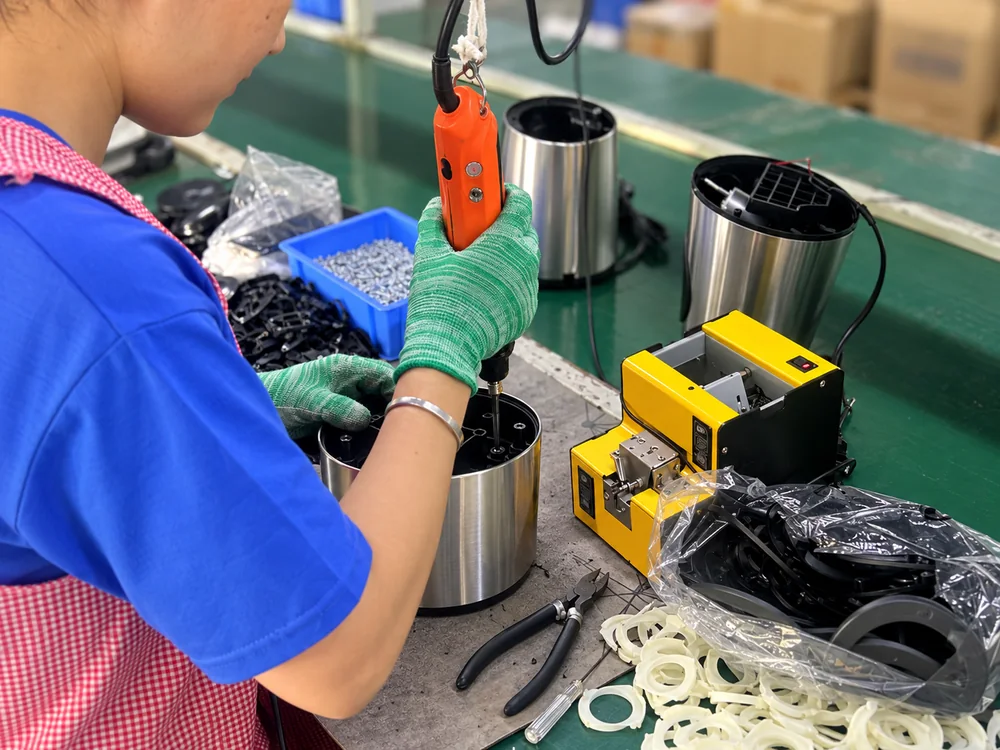
The JINJIE manufacturing overview provides context for discussing the product-to-packing handoff. Ask how the accepted offer is identified in the proposed supply. Ordinary assembly photographs do not establish carton quantities, your shipment’s readiness or the performance of its particular appliances.
Equip dealers to sell the actual product
Provide a compact, accurate product package for onward presentation. Include the selected model, supplied contents, agreed use scope, approved images and relevant customer instructions. Distinguish information suitable for consumers from confidential prices and purchasing correspondence.
Settle who may use the files and for which product. A dealer should not lift an image of another bowl version because its own photograph is missing. Where a dealer edits the product description, give it a clear route to check a proposed claim. Manufacturer specifications and the distributor’s own marketing additions need identifiable sources.
Keep technical questions on an appropriate route. Dealers can collect existing customer information such as the product reference and a description of the issue, but should not ask consumers to open the appliance or repeat a potentially unsafe event. Arrange escalation to the responsible parties without turning the distributor into an unqualified repair service.
Define the commercial remedy and stock handling separately from the technical investigation. A dealer return request may concern transit damage, contents or an identified product issue. The cause, applicable arrangement and response matter. Do not promise universal free replacements or interchangeable spare parts merely to make the offer more attractive.
When a supplied version changes, update the dealer information that depends on it. Identify which stock and descriptions remain valid. A new reference should not quietly overwrite the older version customers already own, nor make the dealer describe both as identical when their scope differs.
Expand from dealer movement, not factory purchases alone
A distributor can buy a large order while its dealers sell very little. Review onward purchases with dealers’ actual availability and useful category feedback. A shipment into the channel is one event; successful movement to the intended customer is another source of information for replenishment.
Ask why stock is slow before adding another model. The problem might be an unclear proposition, a missed customer need, poor availability or unsuitable local presentation. A new variant can deepen the stock problem if it does not resolve that cause.
| Channel finding | Question to resolve | Next purchase to consider |
|---|---|---|
| Dealer interest is high but orders remain conditional | What prevents acceptance of the complete offer? | Resolve the condition before treating forecasts as firm demand |
| One group buys repeatedly while others hold stock | Is the customer role different or the presentation weaker? | Reassess placement before increasing total inventory |
| Contribution is acceptable but receipts arrive late | Can the cash sequence support another commitment? | Adjust funded scope or terms through the responsible process |
| Dealers ask for an additional version | Does it address a distinct customer need? | Evaluate the version and its separate commitment |
| Product feedback identifies a discrepancy | Which supplied version and goods are affected? | Resolve the relevant issue before expanding exposure |
For the next order, compare the accepted offer with the current supplier proposal. Preserve useful experience without assuming the previous price, configuration or preparation conditions still apply. The aim is a repeatable distribution service supported by real purchases, rather than an expanding catalog financed entirely by forecasts.
Request a distributor-specific offer
Send JINJIE the distribution brief with the household product family, preferred model, brand arrangement, destination and complete-set requirements. State the opening quantity basis, dealer order unit, receiving route and supported demand separately from forecasts. Ask for the available product and commercial proposal, then decide what stock and downstream service your business can responsibly fund.
FAQ
Does buying private-label products make us an authorized JINJIE agent?
Not by itself. Own-brand supply and agency for a manufacturer’s brand are different relationships. Identify the arrangement you need and request a specific response. Do not advertise an appointment or protected territory that has not been agreed.
What if dealers request smaller quantities than the available factory offer?
Decide whether stocking and breaking bulk is a service your business can fund. Compare actual local handling costs and the unallocated remainder, or ask for another supported factory proposal. Small onward orders do not automatically change the manufacturer’s purchase conditions.
Can we launch before every dealer has committed?
You can assess that commercial choice, but distinguish deliberate speculative stock from accepted downstream demand. Use relevant evidence and a funded exposure limit. Positive feedback alone does not supply either the cash or the obligation to buy.
Should every dealer receive the same product description?
The facts and supplied scope should remain consistent, while appropriate presentation can reflect each channel. Keep approved product images, contents and operating information identifiable. Route changes to technical claims for review instead of letting each dealer expand the product’s scope independently.