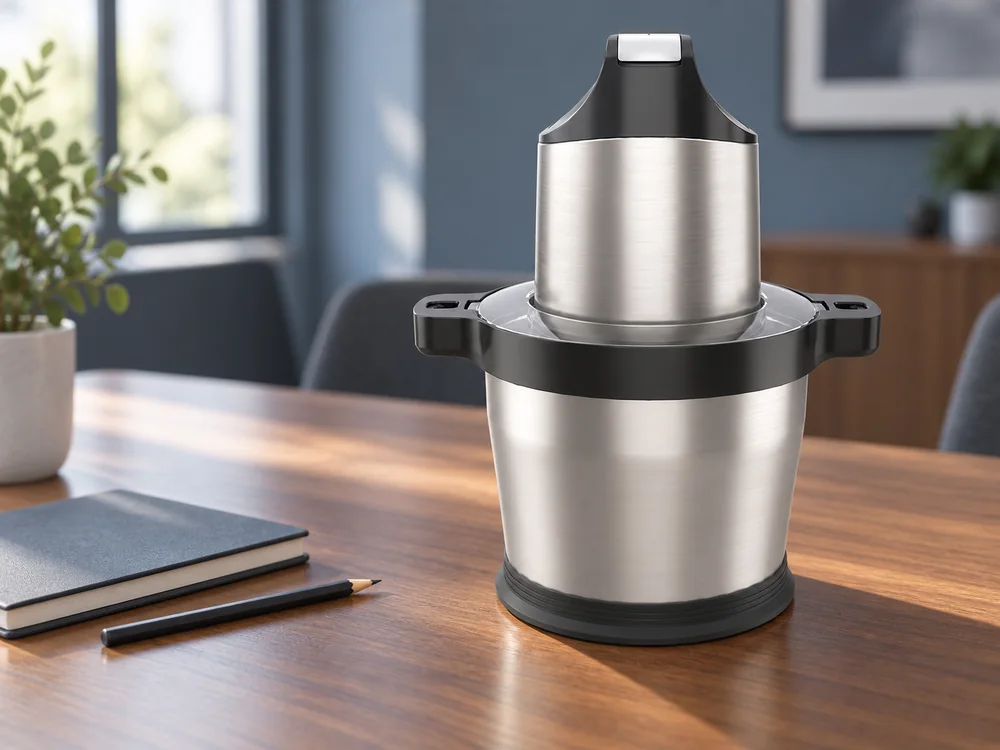
A tooling charge can make a proposed appliance look expensive before a single unit is ordered. A quotation with no separate tooling line can look cheaper while recovering development expense through the unit price. Compare the total commitment and the work being purchased before deciding which proposal offers better value.
Small appliance OEM tooling cost depends on the requested product change and the manufacturing route proposed for it. There is no useful universal mold price for a kitchen appliance. A different logo treatment, a changed housing and a new bowl connection do not require the same work, even when the finished products look similar in a photograph.
For a retail brand, the decision is whether the requested difference earns its development investment. That requires a defined customer benefit, a comparable quotation and a realistic quantity over which the business can recover the expense. This guide addresses that buying decision, rather than quoting a JINJIE tooling price or prescribing how an engineer should design a mold.
Establish why the appliance needs a physical change
Start with the customer result, then compare it with an existing product. A request for a more recognizable brand appearance may be answered through color and logo placement. A request for a different container shape may involve physical parts. Identify what the present model cannot achieve before making new tooling part of the brief.
JINJIE's OEM and ODM service distinguishes branding an existing appliance from design changes and new product development. Its process includes identifying the parts that can remain and the engineering, tooling or testing work that a change may require. A tooling discussion therefore begins with a product reference and requested result, not a predetermined mold budget.
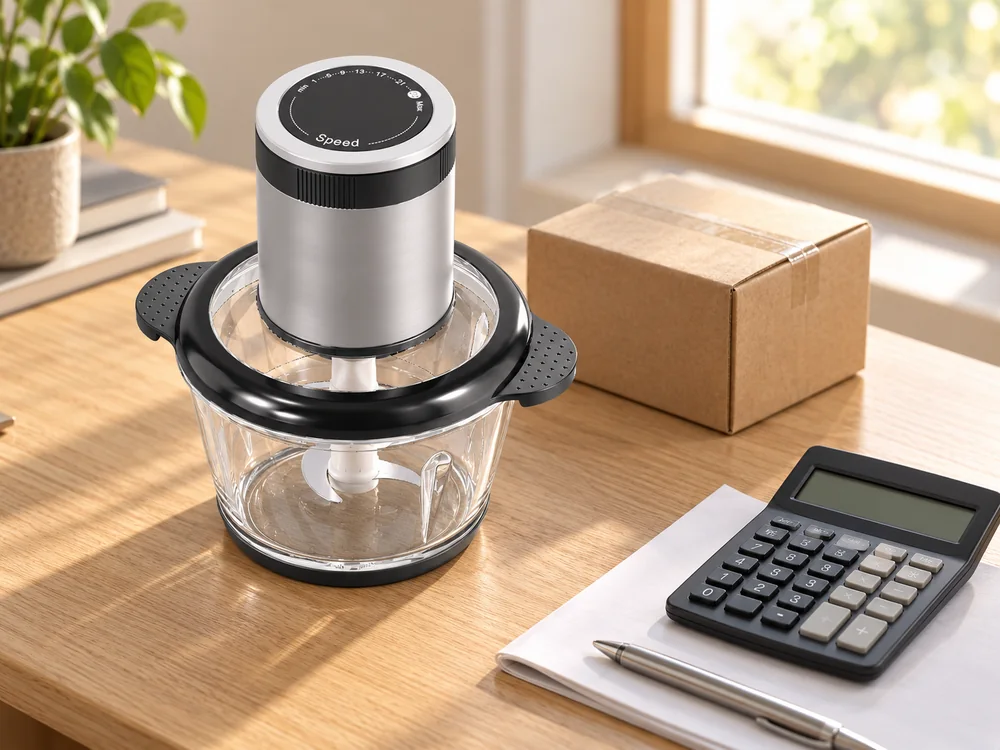
Use an identified complete appliance as the baseline. For example, MC-07 belongs to the current electric chopper range. A buyer considering a change to its appearance should describe which visible areas matter while leaving the matching bowl, lid and operating arrangement identifiable. Showing that model does not establish that any particular requested modification is feasible or inexpensive.
Divide the requirements into customer necessities and preferences. If a retailer needs the appliance to fit a particular storage space, the dimensional requirement may be central. If a proposed contour merely looks different in a rendering, ask what it contributes to the customer's choice. Both can justify investment, but they need different evidence from the buyer.
Keep the unchanged-product offer available for comparison. It provides a real alternative if the development cost is difficult to justify. The alternative should still meet the required household task; it is not a reason to accept an unsuitable product simply because no new tool is needed.
Give engineering the result to preserve, rather than assuming a solution. A buyer can specify the desired handling experience without telling the factory to remove a fastening point. The responsible team needs to examine fit, operation and manufacturing implications. A small visible change can affect less visible components, while another request may be possible within an existing arrangement.
Set a stopping condition for the commercial review. If the intended customer difference disappears after feasible changes are discussed, there may be no reason to proceed with that development. Money already spent on an attractive concept image does not make the resulting appliance more useful to the channel.
Find out what the tooling line actually buys
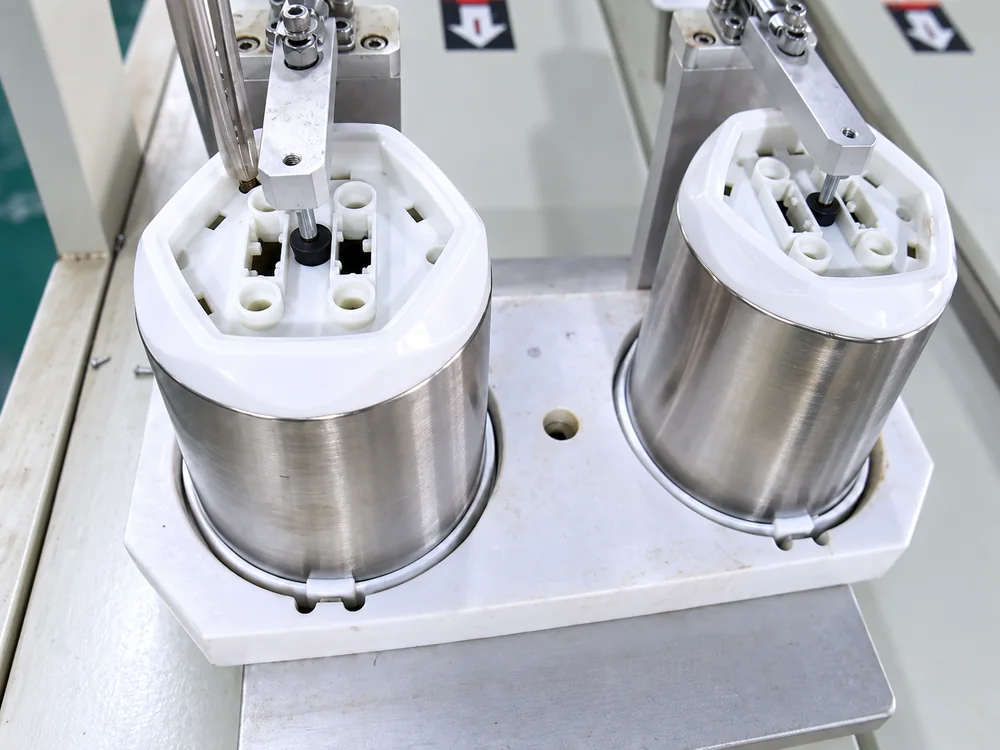
Ask for the deliverables covered by each non-recurring charge. The quotation might distinguish design work, a mold or modification, a holding fixture, sample preparation and product review. Do not assume that one line called development includes all of them, or that differently named lines necessarily represent duplicated work.
A mold that forms a component and a fixture that holds an assembly have different roles. Where a proposal includes both, ask which product change creates each requirement. The buyer does not need to design the equipment, but it should understand why the expense belongs to the project and what will be available when the work is complete.
Protolabs' published injection-molding cost guidance identifies part geometry and cosmetic requirements as cost factors, alongside the way upfront expense is spread over production quantity. That is useful context for reading a proposal. It does not establish a price for a JINJIE appliance, a specific tool life or the manufacturing route suitable for your design.
|
Quoted work |
Deliverable to identify |
Purchasing question |
|---|---|---|
|
Design or engineering review |
The defined assessment and resulting design information |
What question will this work resolve before further spending? |
|
New or modified mold |
The identified component and accepted version it will produce |
Is this a new tool, a change to an existing tool or another arrangement? |
|
Assembly fixture |
The product operation it supports |
Is it dedicated to this project and included in the proposal? |
|
Development samples |
The quantity, version and purpose of the samples |
Which features can these samples actually establish? |
|
Validation work |
The agreed review of the changed product |
Which checks are included and which remain separately arranged? |
Check the number of affected parts. An appliance housing may consist of several pieces that need to meet each other, as well as the bowl or control assembly. A quotation for one visible shell is not automatically a quotation for every component needed to deliver the changed appliance.
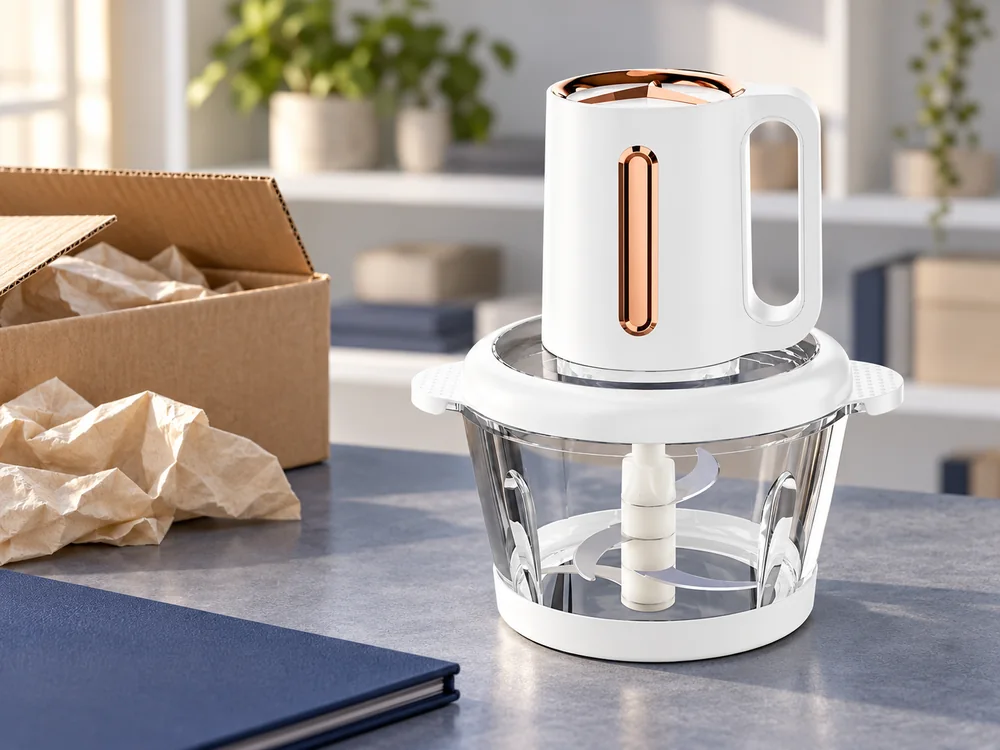
Ask what happens to existing parts. If the change preserves them, have that recorded in the proposal. If it requires a new mating component, include the additional work before comparing totals. This is particularly important where the buying idea began with a single front-view image that did not show the complete assembly.
Keep product testing separate from the existence of a tool. A completed mold or a successful molded part does not, by itself, establish that the assembled appliance meets its intended requirements. Use the quality and testing discussion to identify the review needed for the changed version, without assuming every previous result remains applicable.
Also identify exclusions. Sample delivery, later artwork, packing changes or additional revision work may sit outside the initial development line. An exclusion does not make a quotation unreasonable. It makes the remaining commitment visible so purchasing can compare it with another proposal on the same basis.
Compare equivalent outcomes instead of headline tool prices
Send suppliers the same defined change when seeking comparable proposals. If one quotes a modified existing platform and another quotes a new construction, the price difference partly reflects a different project. Ask each to explain its proposed route before negotiating the lower number as though the offers were identical.
Compare the finished appliance as well as the development deliverable. A cheaper component route may change the proposed material, surface appearance or assembly arrangement. Decide whether those differences are acceptable to the retail brief. Do not treat an unreviewed change as a saving on the original product.
Ask how the production assumption affects the offer. A tool intended for a particular production plan may be different from another proposal intended for a larger or longer-running program. Have the supplier explain the relevant basis in practical terms. There is no need for the buyer to select technical features merely because a quotation lists them.
Use the same appearance expectations. If one proposal allows a broader cosmetic range while another assumes a tightly controlled visible surface, the inspection and preparation work may differ. Show which surfaces customers will see and what matters about them. Avoid imposing a premium finish on hidden areas without a product reason.
Clarify the sample stage covered by the price. A concept model can help evaluate size or appearance, but it may not represent production materials or the final assembly. A production-intent sample answers different questions. A low sample price is not comparable if it leaves the main buying question unanswered.
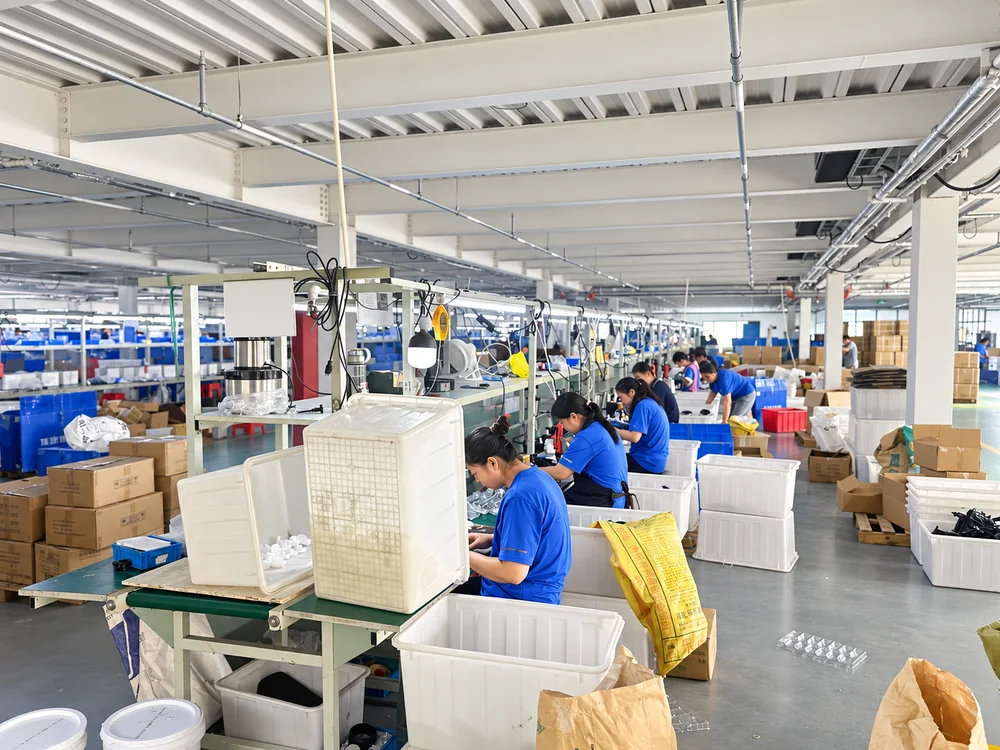
Review the connection to series production through JINJIE's manufacturing process. The accepted product details guide preparation, assembly and packing. Ask how the newly developed part will be identified in those details, and whether the quoted production price already includes it. This prevents a tooling decision from becoming disconnected from the appliance order.
When an explanation remains uncertain, ask one specific question about the difference. For example, does the higher total include a matching lid that the other proposal omits? A clear answer may settle the comparison faster than requesting a completely new quotation without explaining what is unclear.
Calculate the investment at quantities you can defend
Separate cash payable from cost allocated per unit. If a development charge is paid upfront, dividing it across a large forecast does not reduce the initial payment. The business still needs to fund that amount, along with samples and the product order, under the actual agreed terms.
Consider an illustrative comparison, not a JINJIE quotation. Route A requires a $6,000 upfront charge and costs $18 per appliance. Route B has no separately payable tooling charge and costs $21 per appliance. Assume the complete appliance, included work and other costs are equivalent solely for this calculation.
At 1,000 units, Route A totals $24,000 and Route B totals $21,000. At 2,000 units, both total $42,000. At 3,000 units, Route A totals $60,000 and Route B totals $63,000. The $3 unit difference recovers the $6,000 charge at 2,000 units under those assumptions.
That crossing point is not an automatic recommendation to order 2,000 units. It says nothing about the business's ability to sell them, the timing of purchases or whether later prices remain available. If the channel can justify only 1,000 units, the cheaper total at an uncommitted future quantity should not decide the opening investment.
Use more than one demand case. A committed retailer quantity can support one calculation, while a possible later reorder belongs in another. Show the consequence if the later order never arrives. This is more informative than selecting a forecast that makes the preferred design appear inexpensive per unit.
Check how embedded recovery works where no separate charge is shown. Ask whether the unit price is tied to a volume commitment, a defined ordering period or another condition. A proposal without an upfront tooling payment is not necessarily free of development cost, and its conditions should remain visible in the comparison.
Do not add the same charge twice. If the quoted unit price already includes the agreed recovery, adding a separate internal allocation can overstate the cost. Conversely, omitting an upfront invoice because it has been allocated internally understates the cash requirement. Keep the supplier's actual payment lines beside your management calculation.
Include changed product costs beyond tooling where relevant. New packaging dimensions, additional assembly work or a different component may affect the complete offer. Use confirmed figures when available and clearly identify estimates. The purpose is to compare the cost of the chosen appliance, not to produce a precise-looking total from unresolved assumptions.
Commit in stages that resolve the expensive uncertainties
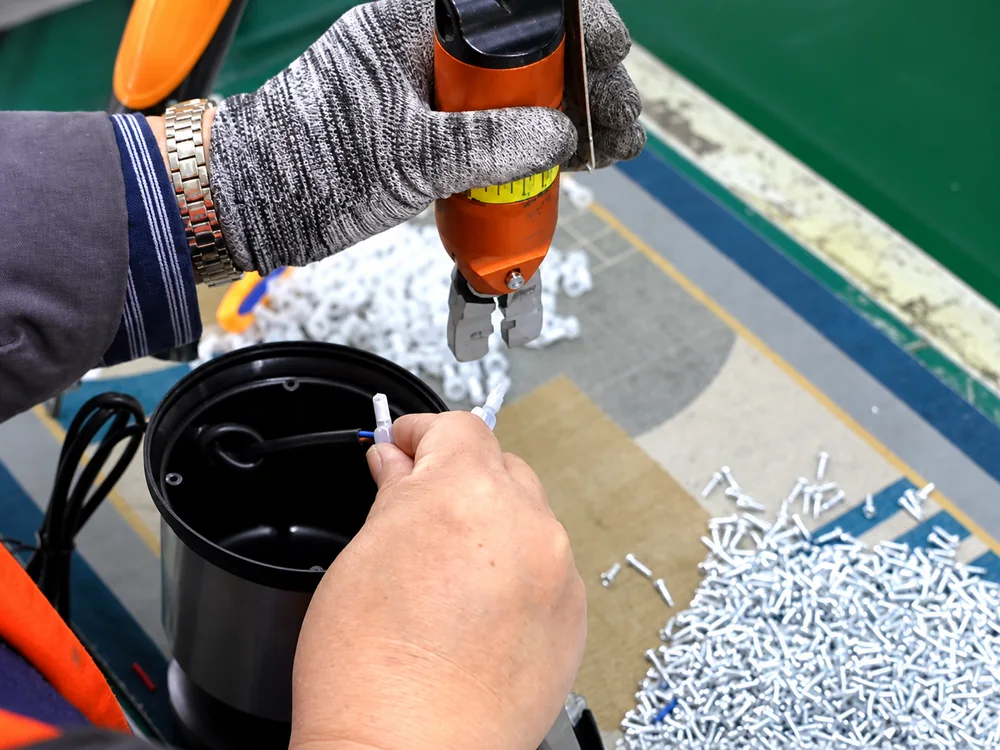
Match each spending decision to the uncertainty it can remove. An initial feasibility review may establish whether the requested change has a plausible route. A later sample may establish appearance or fit. The buyer can then decide whether the next investment is justified by the product that is actually emerging.
Agree the deliverable and review point before each stage begins. Ask what the buyer will receive and what remains undecided afterward. This helps avoid paying for a stage that produces an attractive object but does not answer the reason the team commissioned it.
Distinguish correction from a changed request. If a sample does not match the agreed requirement, discuss that difference against the accepted brief. If the brand now wants another shape or function, it is a new request to assess. The parties should agree how each situation affects charges and timing rather than assume every revision is included or every revision is extra.
Define who can authorize a change. A designer commenting on appearance should not accidentally instruct a structural revision with commercial consequences. Gather the necessary product and purchasing decisions into one response so the supplier knows which work is approved and which idea is still being considered.
|
Finding during development |
Decision to make |
Cost information needed |
|---|---|---|
|
Existing platform answers the customer need |
Stop unnecessary physical development |
Any agreed work already payable |
|
Sample misses an agreed requirement |
Request assessment against that requirement |
The agreed correction responsibility |
|
Buyer requests a new feature |
Assess it as an additional change |
Added work, effects on existing parts and revised price |
|
Required result is not achievable |
Stop or reconsider the product brief |
Outstanding commitments and usable completed deliverables |
|
Only an optional detail remains unresolved |
Accept the available result or fund further work |
The incremental cost and commercial value |
Avoid approving tooling merely to protect a target launch date. If an essential product question is unresolved, committing earlier may leave the business paying for a change later. Discuss what can proceed independently and what depends on that answer. Timing pressure does not remove the need for a usable design.
Keep a current financial view when revisions accumulate. Small additional charges can become material even if each decision seemed manageable. Compare the revised total with the original customer benefit and the current sales expectation. A project that was sensible initially may need a smaller scope after the facts change.
Settle future use, upkeep and project closure
Discuss the practical arrangements for the tooling beyond the first accepted sample. Ask where it will be held, how it is identified, who arranges upkeep and how a later production request will be handled. These are project questions, not benefits automatically established by paying a tooling invoice.
Keep ownership, access and permitted use distinct in the agreement. The parties may need to address drawings, physical equipment and product-specific design information separately. Have the relevant commercial and legal advisers review the actual terms where these rights matter. This article does not establish ownership or transfer rights for any particular arrangement.
Ask how wear or damage would be assessed and handled. Do not assume an indefinite life, free replacement or a fixed number of cycles without an agreed basis. Purchasing needs to know how the parties will identify a problem and decide the response before a later order depends on unavailable equipment.
If a future supplier transfer matters to the business, raise it before commitment. Practical use elsewhere may require more than possession of a physical tool. Ask what information, compatibility review and assistance would be involved, together with the agreed access conditions. A proposed transfer should be evaluated, not treated as effortless backup capacity.
Discuss inactivity and cancellation as well as continued production. A retail launch can be postponed or abandoned. Identify what happens to completed work, partly finished work and any dedicated materials under the agreement. The buyer should understand those obligations without assuming that stopping the product order cancels earlier authorized spending.
At project closure, retain the accepted product reference, relevant deliverables and commercial record. They support a later decision to restart, revise or discontinue the appliance. Keep an obsolete concept distinguishable from the version that was actually accepted so a future team does not request production from the wrong reference.
Ask JINJIE to evaluate a defined development investment
Send JINJIE your proposed appliance change with the current product reference, required customer result, parts to preserve, destination market and realistic quantity plan. Request a defined development route, included deliverables and separate product pricing. Compare that proposal with the nearest suitable existing option before committing to tooling.
FAQ
Can we approve appearance using a prototype made by another process?
It may answer a limited appearance or handling question. Ask which differences remain between that prototype and the proposed production appliance. Do not use it to settle material performance, final fit or other points that its construction cannot represent. Identify the later sample needed for those decisions.
What if two appliance sizes could share some developed parts?
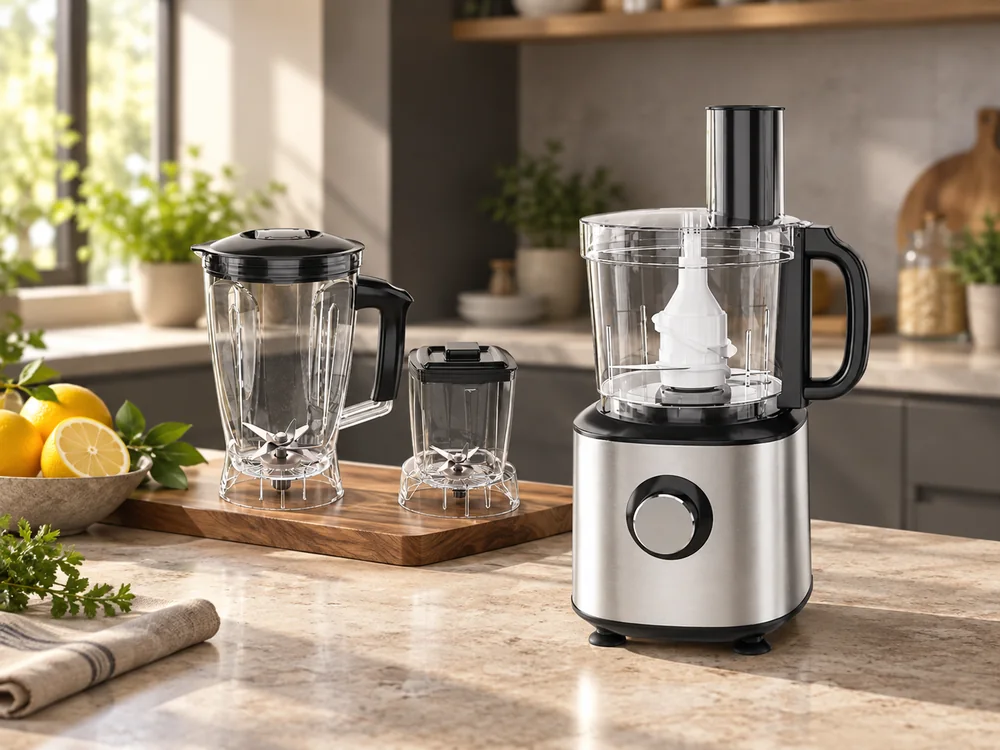
Ask engineering to identify the actual common parts and any constraints. Then compare the combined proposal with separate versions. Similar external shapes are not proof that one tool or component can serve both products, and the quantity calculation should reflect only the sharing that is confirmed.
Should a tooling refund be counted as a guaranteed saving?
Only where the actual agreement provides it and your calculation meets its conditions. Keep an unconditional payable charge separate from a possible later credit tied to volume or timing. Show the cost if the credit is never earned, rather than treating the most favorable scenario as the opening price.
Can an existing custom design be reused for a new market?
Ask which product details remain suitable and which require review for the destination. Electrical configuration, markings or other requirements may affect the proposal even where the visible housing stays the same. Existing tooling does not by itself settle the complete product or documentation needed for that market.