A repeat-order quotation arrives above the previous unit price. Before asking the manufacturer to reverse it, identify what changed and what the new offer does to your purchase. A small appliance supplier price increase can affect the next order’s contribution, funding and quantity choice differently. The percentage alone does not show whether to accept, negotiate or investigate an alternative.
This guide is for importers, distributors and private-label brands buying household food-preparation appliances. It concerns evaluating an actual revised proposal, not predicting raw-material prices or publishing JINJIE’s pricing policy. Existing contractual obligations and disputed changes require review of the real agreement by the authorized parties, with professional advice where needed.
Establish whether the same product is being repriced
Put the earlier accepted offer beside the current proposal. Compare the identified model, electrical version, included set, presentation, quantity and delivery basis. If one of those has changed, separate its effect before describing the entire difference as a rise in the price of the same goods.
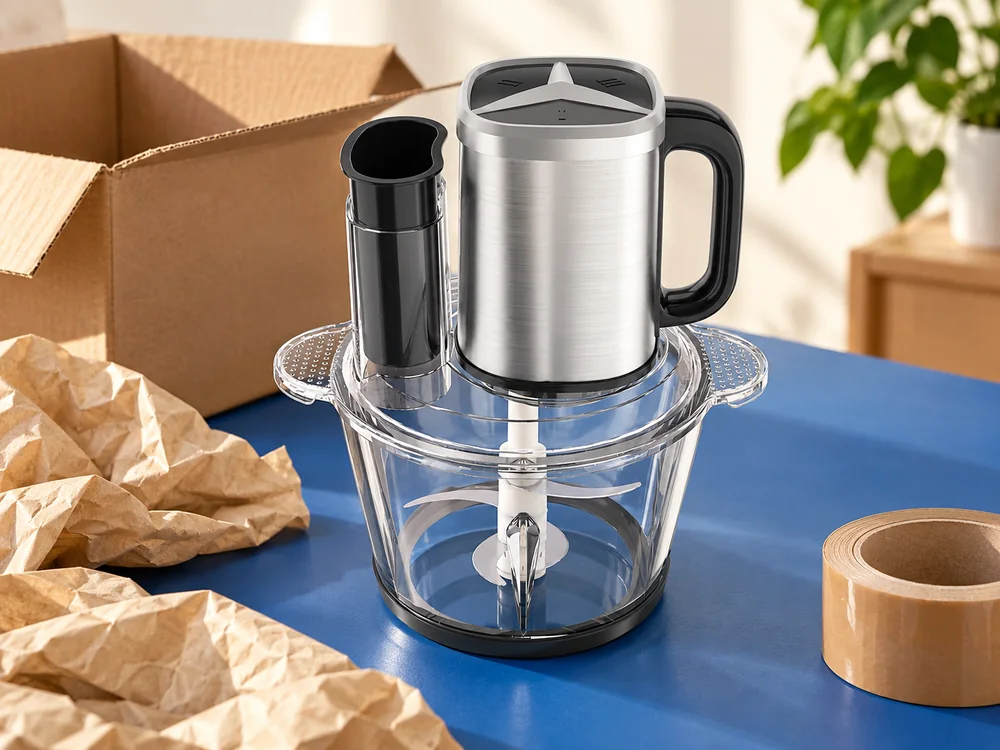
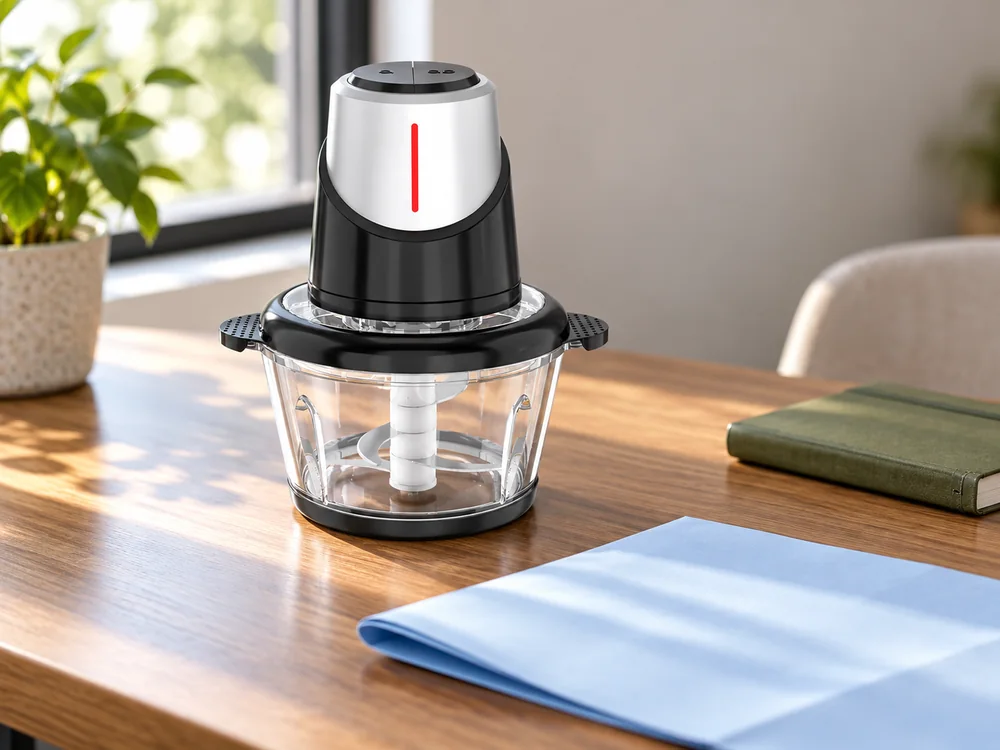
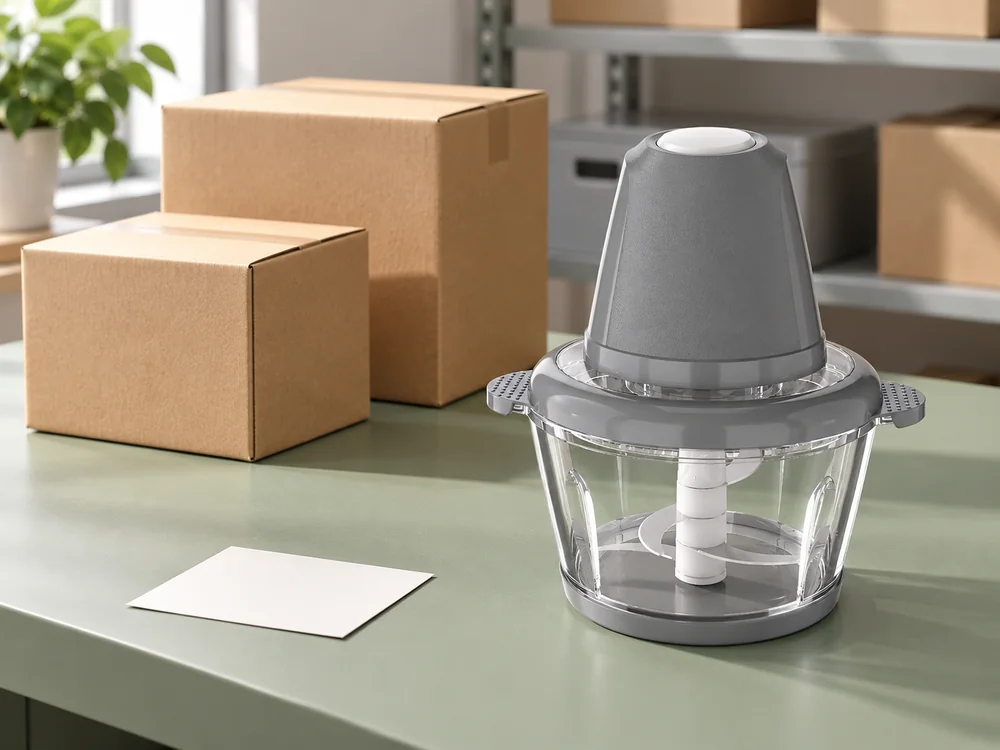
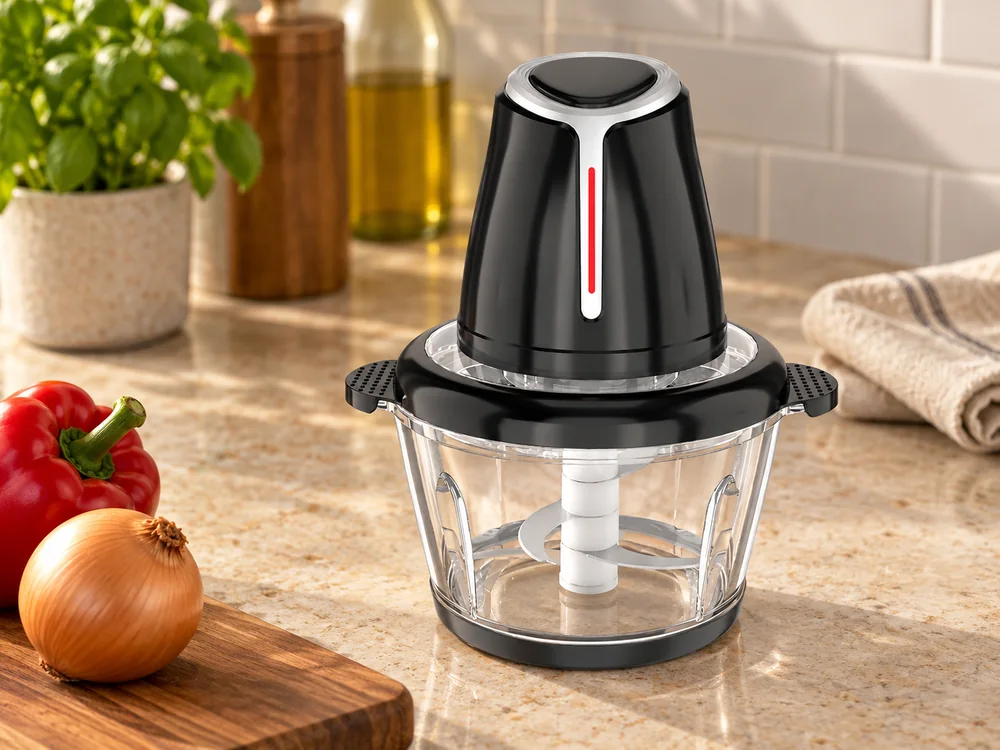
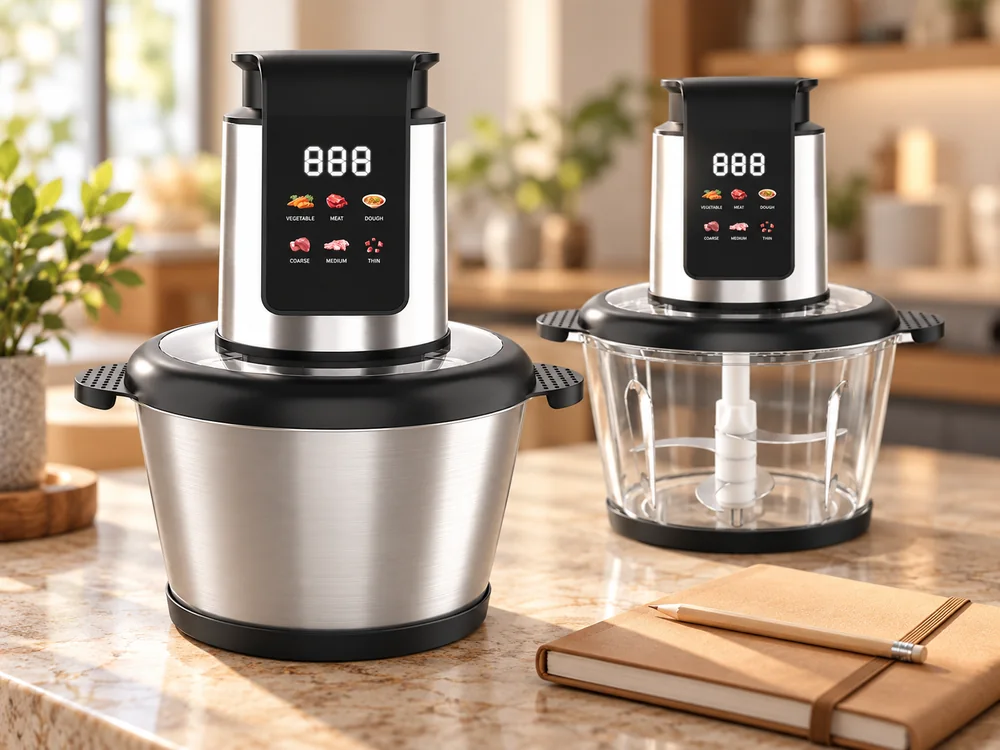
The JINJIE food chopper range provides identifiable platform choices. The quotation lists SD-02 with a nominal 2 L 201 stainless steel bowl and SD-04 with a nominal 2 L glass bowl; both have 400 W entries and digital controls. They are different complete product references. The shared capacity and power do not make a glass-bowl quotation a direct price revision of the steel-bowl offer.
Keep the customer’s reason for selecting the product visible. A buyer who promised a particular complete set needs to compare that set, not the most economical photograph in the current catalog. Where a new configuration is proposed, review it as an alternative with its own sample, packing and commercial implications.
Check the comparison period too. An older opening-order price may have included a temporary arrangement or omitted a charge paid separately. The present order may use a different quantity. Retain the actual basis rather than assuming the last invoice is an indefinitely available price list.
If the revision affects already accepted goods, identify the orders or releases concerned and refer it to the responsible commercial team. Do not assume either that the supplier can change every accepted price or that a buyer can disregard any new request. The answer depends on the applicable agreement, not a general sourcing article.
Ask for an explanation that can support a decision
Request the changed scope, amount, effective basis and validity of the revised proposal. Ask which ordered versions or future quantities it covers. A broad announcement may not tell you whether the same change applies to your complete set or whether a specific configuration has another basis.
Where the supplier identifies a cost driver, ask how it relates to the proposed product. Materials, packing preparation, order mix and manufacturing work can have different effects. This is a discussion of the actual offer, not a claim that any particular input has risen in the market or that JINJIE has changed a cost.
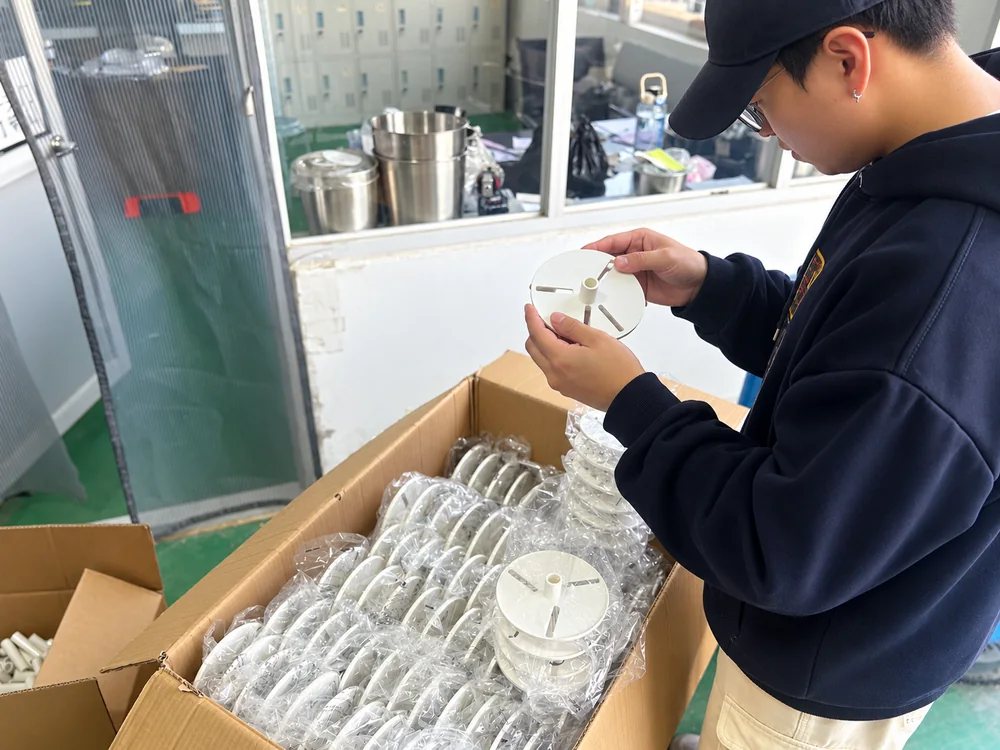
Use supporting information proportionately. An identified change to packaging or an additional item can be compared directly with the earlier offer. A wider cost explanation may help the discussion without giving the buyer unrestricted access to confidential supplier accounts. Ask for enough information to understand the proposal and available alternatives.
Keep price separate from cost. A change in an input does not automatically explain the same percentage change in the complete appliance. Equally, knowing one public material price does not let the buyer reconstruct the manufacturer’s entire cost. Avoid arguing from an assumed bill of materials that the supplier has never confirmed.
If the answer is incomplete, identify the unresolved question precisely. Ask whether the revised figure applies to the accepted set at the requested quantity, for example. A missing explanation leaves the comparison open; it is not proof of dishonesty or confirmation that the old price is still available.
| Difference in the new offer | What to establish | What the buyer is actually comparing |
|---|---|---|
| Higher price with otherwise unchanged scope | Same complete product and commercial boundary | A comparable product-price revision |
| Different quantity tier | Accepted quantity and its conditions | Unit saving against total stock commitment |
| Revised retail set | Added, removed or changed contents | A new customer offer and its complete cost |
| Changed delivery basis | Named point and included responsibilities | Cost to a common receiving boundary |
| Added preparation charge | Deliverable, recurrence and quantity basis | Product cost plus identified project work |
Calculate the effect on the next order
Use a consistent cost boundary. Keep the supplier’s price, the buyer’s applicable delivery and handling estimates, and the expected sales receipt distinguishable. A factory-price increase and a rise in your overall landed cost are related but not necessarily identical changes.
Consider an invented example: the same complete appliance increases from USD 18 to USD 19.20. The unit increase is USD 1.20, or about 6.67% of USD 18. At 600 units, the goods total increases from USD 10,800 to USD 11,520, a difference of USD 720. These are arithmetic illustrations, not market prices, JINJIE terms or a claimed industry increase.
Now assume the business receives USD 30 per sale and incurs another USD 5 per unit in the same relevant variable costs under both proposals. Its illustrative contribution falls from USD 7 to USD 5.80 before fixed costs. That is a USD 1.20 decrease, about 17.14% of the earlier USD 7 contribution. The percentage effect on this remainder is larger than the percentage change in the appliance price.
Use the actual selling route for that calculation. A distributor should use what it receives from the dealer, not a consumer shelf price that another business collects. An online retailer should include the relevant channel charges and fulfilment costs on its own consistent basis. Do not call the remainder net profit while other business costs are excluded.
Separate the total commitment from the per-sale result. In the example, USD 720 more must be funded for the same 600 units. The business can have an acceptable contribution per sale and still lack funds when payment, freight and other launches coincide. Put the revised amounts into the real funding calendar.
Assess the effect at the volume you can support. An optimistic future forecast should not dilute a current fixed charge or make a larger purchase appear harmless. Where the buying decision concerns fewer units, calculate that available offer separately instead of multiplying the smaller quantity by a price tier the supplier has not offered for it.
Prepare a negotiation around tradable choices
Choose what you need to preserve before bargaining. The central customer task, mandatory electrical version and agreed safety or conformity scope should not disappear to restore a target price. Optional presentation or assortment choices may be easier to discuss, depending on the channel and supplier’s actual offer.
CIPS identifies preparation, objectives and understanding possible concessions as part of procurement negotiation. Apply that to the order: know the complete cost you can support, the scope you need and a realistic alternative. A repeated request for the old number adds little if neither party knows what may change.
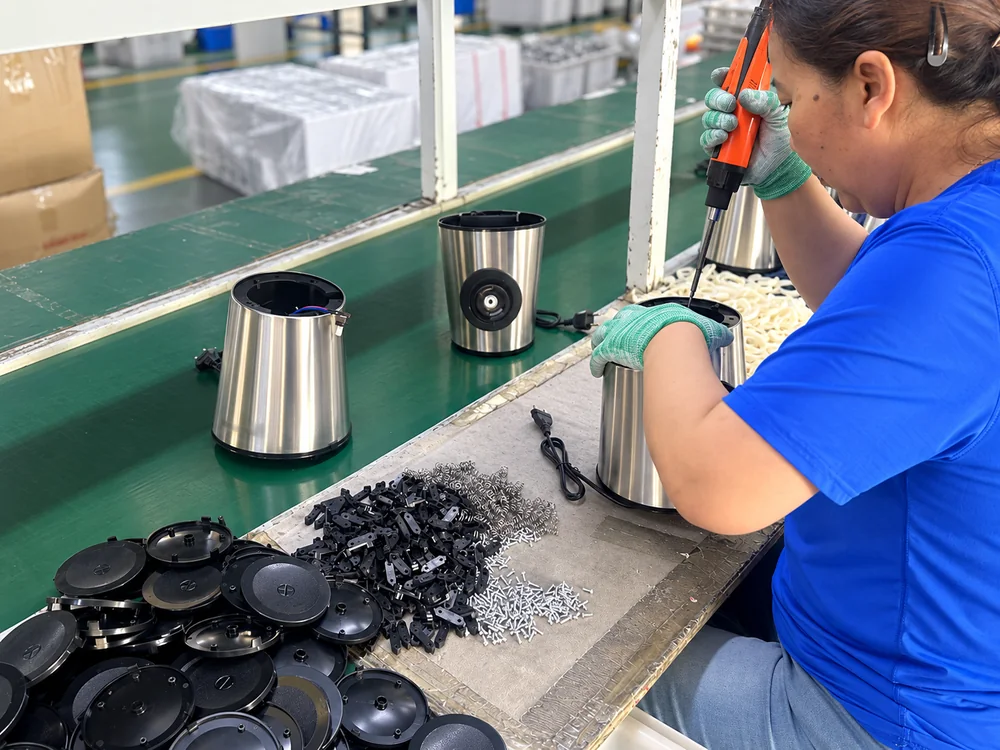
Use JINJIE’s OEM and ODM information to frame alternatives to optional customization. Ask whether fewer opening colors, an available presentation or less fragmented version quantities can produce a different complete offer. Their availability and financial effect need a current supplier response; no general rule guarantees a reduction.
Do not remove a useful included item on paper and deduct an imagined component cost. A revised retail set must be supported, priced and packed as that actual set. If it stops doing the job the customer expects, the lower number is not a successful negotiation for the same proposition.
Offer a credible commitment when discussing a different quantity condition. Accepted customer demand and money available for the order matter more than a speculative annual promise. A supplier may consider another arrangement, but do not present your forecast as a guaranteed volume merely to obtain a price response.
Compare payment or timing concessions carefully if proposed. An earlier payment can change cash exposure; a longer preparation window can affect the selling plan. Keep those effects beside the price saving. They are alternatives for agreement, not free reductions or automatic JINJIE options.
Test whether buying ahead really saves money
If the supplier offers a current price for a larger accepted purchase, compare the incremental stock commitment with the possible saving. Establish the exact offer validity and quantity conditions. A warning about a possible future increase does not establish what a later quotation will actually be.
In an invented comparison, 600 units at USD 19.20 cost USD 11,520. A separately offered 1,000-unit purchase at USD 18.50 costs USD 18,500. The second option has a USD 0.70 lower unit price but requires USD 6,980 more and brings 400 additional units. It does not save total cash on the next purchase.
If all 1,000 units are genuinely needed on compatible terms, that offer can be evaluated against an alternative plan for obtaining the same quantity. If demand only supports 600, the extra stock needs its own funded rationale. Do not describe its entire cost as a price saving by assuming effortless future sales.
Consider version life and remaining stock. Dedicated printed material or a market-specific configuration may become less useful if your channel changes before the extra units sell. Ask what demand evidence supports buying ahead and how the business would handle a slower outcome. Those are buyer planning questions, not predictions that the selected product will become obsolete.
Discuss staggered supply only through an actual proposal. Smaller early deliveries can reduce warehouse pressure without necessarily reducing the total order obligation or payment. Identify what is produced, held, paid and released under the accepted arrangement. Shipment timing should not conceal the additional commitment.
Compare a replacement route without ignoring transition work
An alternative supplier price is useful only for a product and route that can meet the task. Put its complete contents, approvals, timing and preparation costs beside the current offer. A lower introductory number does not establish that your brand can switch directly without further work.
An alternative product from the existing supplier may need a new evaluation too. SD-02 and SD-04 can enter a scope comparison as specifically identified offers, but changing bowl material changes the retail proposition and packing review. Do not assume customer preference, interchangeable parts or matching performance from the shared power entry.
Use JINJIE’s quality and testing discussion to identify what must be evaluated when a configuration changes. Keep an evaluation sample for the open selection question distinct from the final production and packaging approval needed afterward. A successful earlier sample does not answer a newly introduced difference.
Include one-time transition work on the quantity that the decision can support. Suppose an alternative saves an illustrative USD 0.60 per comparable unit but requires USD 900 of relevant initial work. The arithmetic recovery quantity is 1,500 units before other differences. That does not justify ordering 1,500 if current demand or funds cannot support them.
Consider the time needed to establish the new route. If current stock will run out before a replacement is ready, review the available choices and their cost through the responsible teams. Keep a price disagreement separate from approval of a substitute that cannot yet meet a mandatory requirement.
Choose and record the next purchase
Bring the comparable total, contribution effect, funding dates and available alternatives into one decision. The outcome can be accepting the revised proposal, negotiating an identifiable alternative, reducing optional scope or postponing a purchase that the business cannot support. It need not be a dramatic change of supplier every time the price moves.
| Buying situation | Option to evaluate | Consequence to keep visible |
|---|---|---|
| Same offer still fits contribution and funding limits | Current revised purchase | The accepted price and validity now apply to this offer |
| Optional versions make the order expensive | A less fragmented supported mix | Which customer demand or appearance choice is deferred |
| Larger quantity earns a lower offered unit price | The full additional stock commitment | Extra cash and realistic demand for the remainder |
| Current product no longer fits the channel economics | Another supported complete offer | Evaluation, approval and transition costs |
| An increase is proposed on an existing accepted order | Authorized review of the agreement and response | Do not assume unilateral amendment or cancellation rights |
Obtain the accepted revised offer rather than relying on an oral discount alongside an unchanged file. Identify the product, quantity, price, preparation charges, delivery basis and any new conditions. Route changes through the buyer’s authorization process before the supplier or internal team acts on them.
Preserve the earlier purchase record. A new price does not alter what was paid for previous goods or their accepted specification. Use the current record for the next commitment and the earlier one for its own history, so later cost comparisons remain reproducible.
Contact JINJIE with the selected appliance and current purchase requirement. If comparing a revision, identify the earlier offer, what must remain unchanged and the quantity your business can support. Ask for a current complete proposal and any separately identified alternatives before choosing the next order.
FAQ
What if the quoted price expires before our approval meeting?
Request the current proposal and make the decision against it. Ask whether the same scope remains available and what has changed. An internal review date does not extend the supplier’s offer automatically, and an expired price should not remain the approved budget without qualification.
Should we disclose the competing supplier’s quotation?
Check the applicable confidentiality and internal requirements first. You can describe the comparable scope or your supported cost constraint without circulating another party’s protected document. Use real, comparable alternatives; invented competing offers do not provide a sound negotiation basis.
What if currency conversion makes our cost higher but the supplier price is unchanged?
Separate that effect from a product-price revision. Retain the quoted currency and obtain current conversion information from the responsible provider for your funding plan. Do not label a changed internal conversion estimate as a supplier increase or assume the manufacturer must absorb it.
Can we keep the old product page when choosing a cheaper configuration?
Only where its content still accurately describes the supplied offer. Review images, included items and customer promises against the accepted configuration. A reduced-cost set that changes the product scope needs corresponding presentation and support information, not an invisible substitution behind the same listing.