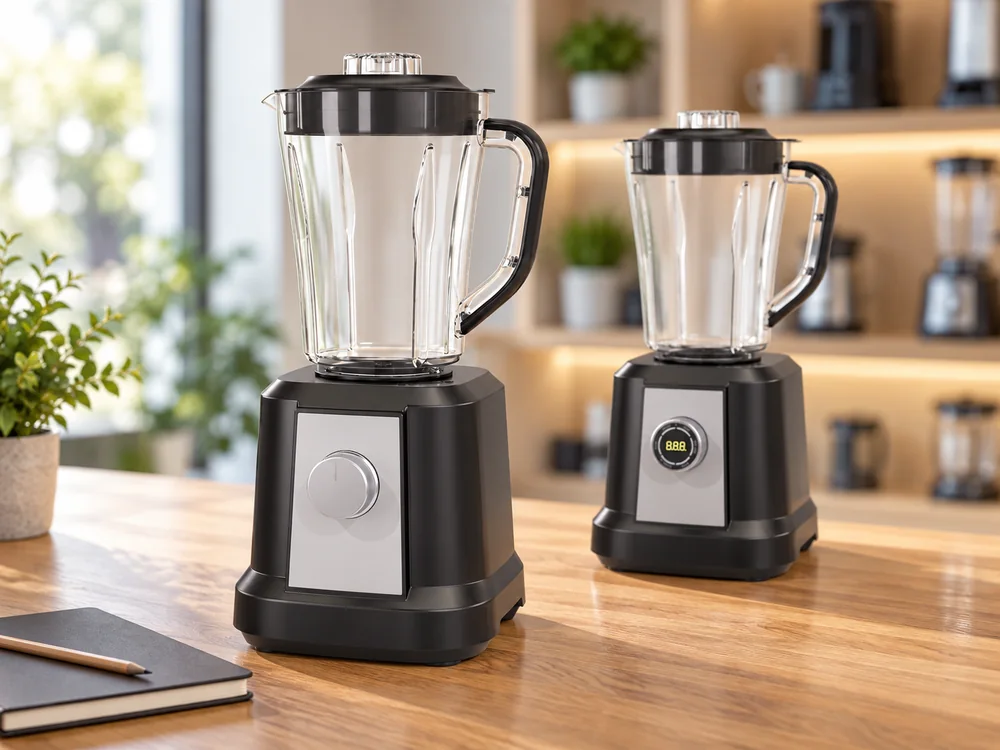
Choose wholesale blenders around the product your customers will buy, then negotiate the supply arrangement for that exact offer. A larger power number, another control panel or a lower unit price is useful only when it supports the intended retail position. Decide what the customer gains before paying for a second version.
This guide is for retailers, importers and private-label businesses sourcing household countertop blenders. It compares actual JINJIE configuration choices and the commercial decisions between selecting a product and committing to an order. It does not rank suppliers or treat household models as continuous-duty café equipment.
The practical starting point is one clear retail proposition: who will use the blender, what supported preparation task they need, and why this version deserves space in your range. With that settled, the purchasing team can compare an existing branded offer with a factory private-label project and decide how much customization is worth carrying.
Define the household offer before sourcing wholesale blenders
A search for wholesale blenders can bring together household jug blenders, commercial drinks equipment and compact personal models. These are not interchangeable purchases. A retailer reselling household appliances needs a different product promise from an operator preparing drinks throughout a service period.
Write the intended customer use in ordinary language. Name the ingredients and expected batch, the preparation result, the customer's available working space and the operating pattern. If a proposed use depends on ice processing, hot liquids or repeated loads, obtain confirmation for the specific model before making that use part of the sales proposition.
Power and nominal jar capacity are identification details at this stage. They help distinguish proposals, but they do not establish supported ingredients, usable filling limits or how long the appliance can operate. The product instructions and relevant evidence must answer those questions. Keep an unsupported foodservice requirement outside the household shortlist.
The channel changes what deserves attention. For a store demonstration, the customer can handle the jar and see the controls. An online buyer relies on photographs, dimensions and a clear explanation of the included product. Neither channel benefits from an extra function whose purpose takes several paragraphs to explain.
Consider the space where the product will be sold and used. A larger jar can create a visible range distinction, but the assembled appliance still has to fit the buyer's intended presentation and the customer's storage expectations. Obtain actual dimensions rather than judging scale from photographs taken at different distances.
Bring this information to the JINJIE blender range and identify the nearest available platform. A focused inquiry can ask for alternatives where one requirement remains open. It does not need every model in the catalog or a commitment to several price tiers before the first product has a defined role.
Compare actual configurations before assigning price tiers
JINJIE's configuration reference lists BL1161 and BL1261 with nominal 1.5 L AS jars and 600 W power entries. BL1161 is described with adjustable speed, while BL1261 is described with intelligent control. PBJ-01 is listed separately with a nominal 2 L PC jar and 1200 W power entry.
Those entries provide three starting proposals, not a performance ranking. The two 600 W versions raise a control-choice question. PBJ-01 introduces a different jar and platform reference. Compare the complete appliances before calling one an upgrade, and do not use the higher rating as evidence of commercial-duty suitability.
|
Quotation model |
Recorded configuration |
Retail purchasing question |
|---|---|---|
|
BL1161 |
Nominal 1.5 L AS jar, 600 W, adjustable speed |
Does direct adjustment fit the customer's expected way of operating the blender? |
|
BL1261 |
Nominal 1.5 L AS jar, 600 W, intelligent control |
Which confirmed control functions create a useful customer-facing difference? |
|
PBJ-01 |
Nominal 2 L PC jar, 1200 W |
Does the different complete platform answer a larger-format household requirement? |
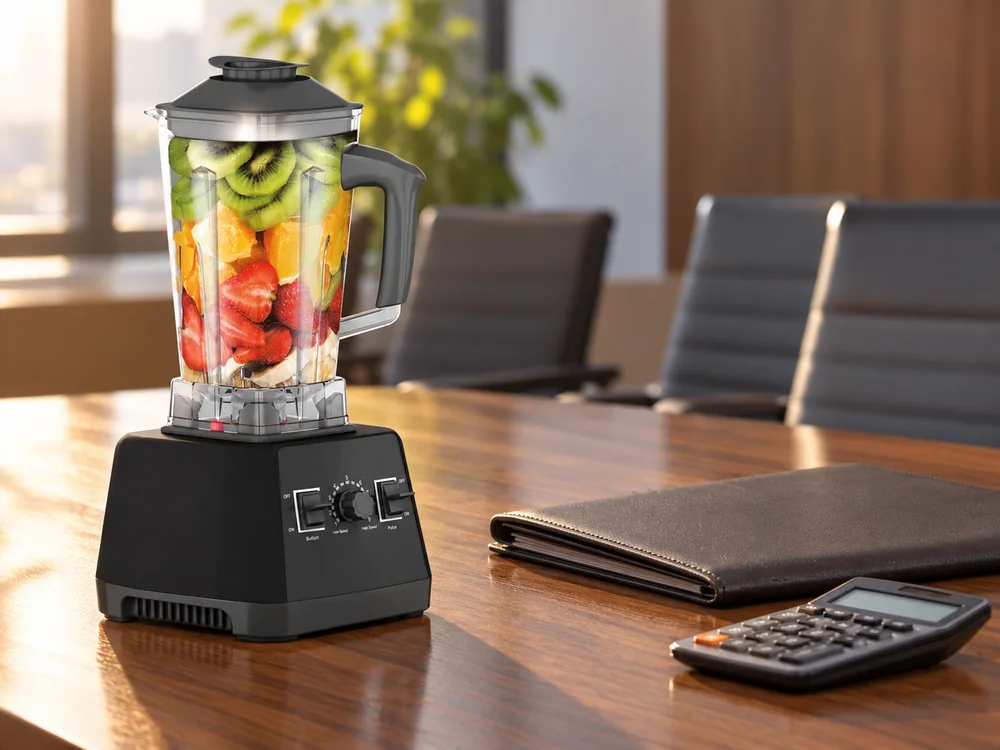
For BL1261, ask for the actual control positions and their meaning. The phrase intelligent control alone does not name automatic recipes, sensing functions or a specific result. A display can be shown in a product image without promising functions that have not been confirmed for the offered version.
Handle the jar as part of the buying decision. Consider the grip, lid removal, pouring and putting the assembled appliance away. These observations can reveal whether the proposed product suits your customer. They should remain observations about the sample, not universal claims that one material or control type is better.
A useful price tier has an explanation that the retail team can repeat accurately. One version might offer the control format your customers prefer. Another might serve a different household batch requirement. If the only explanation is that it looks more expensive, check whether that distinction justifies separate inventory and product content.
Do not create a cheaper version by removing a component from a matched assembly. The jar, lid, seal, blade and drive connection belong to the selected appliance. Optional retail presentation can be negotiated separately, while any physical substitution needs the appropriate product review.
For a proposed two-model range, write one sentence for each customer's reason to choose. If both sentences say the same thing, start with the stronger offer or investigate a real difference before committing. This test does not require different power ratings. It requires a difference that survives a truthful product-page description and a complete quotation.
Show the proposed distinction to the people who will sell it before ordering both versions. Ask them to explain the choice without reading the specification table aloud. If their explanation depends on an unverified claim, return to the product brief. If they can explain a real difference but expect little demand for the second option, the issue is range allocation rather than product quality. That feedback can support a smaller opening assortment without rejecting the alternative permanently.
Choose a supply route that matches your business
Buying an established branded product and commissioning a private-label blender involve different work. An existing branded offer may already have its retail presentation and support arrangements defined. A factory project gives the buyer decisions about branding and packaging, together with the work and commitments those decisions require.
For branded resale, establish the authorized supply arrangement, available versions and territory or channel conditions where applicable. Do not assume that a factory producing a similar appliance can supply another brand's product. A familiar exterior is not proof of distribution rights or access to branded stock.
For private label, begin with a suitable current platform. JINJIE's OEM and ODM options distinguish branding an existing appliance from design changes and new development. A logo, color or retail-box discussion is different from a request for another control function or drive arrangement.
That distinction affects the purchase even when both proposals look similar in a presentation. One may use an established product with new printed materials. The other may need engineering work before its cost and timing can be settled. Ask which route the supplier is actually offering, rather than applying one label to every custom request.
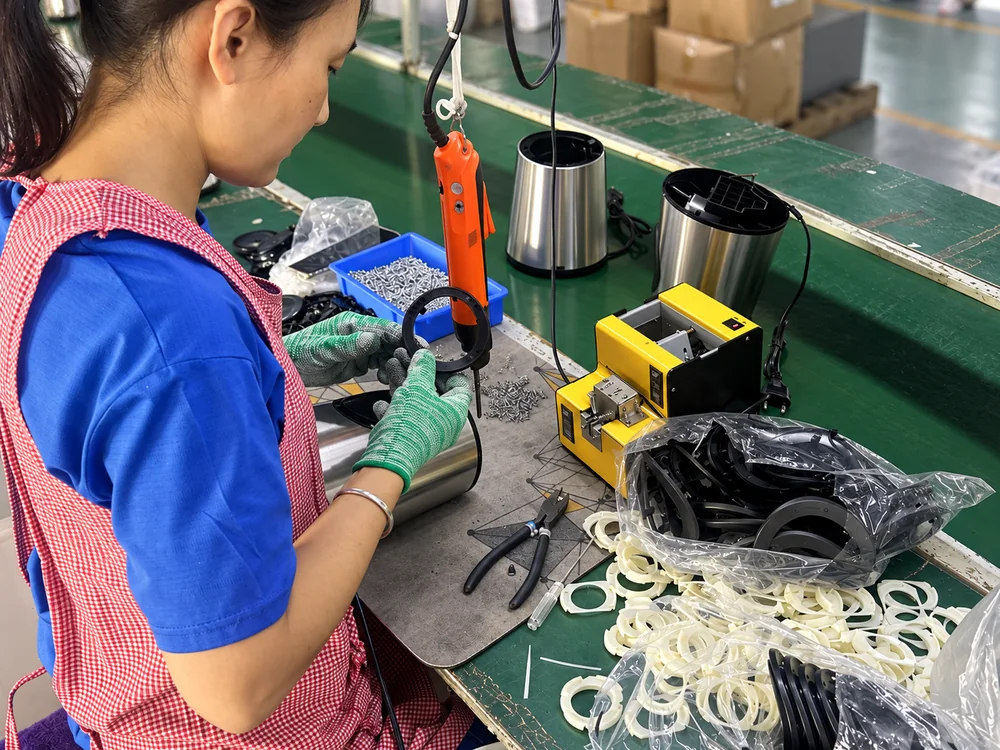
Who will own the decisions on your side? A small importer can handle a private-label project, but someone still needs to coordinate the product description, artwork, market version and channel requirements. If that work has no owner, an apparently economical factory offer can remain unfinished while the planned selling date approaches.
Consider repeat purchasing as well as the first order. An existing branded route may depend on the distributor's current stock and range. A factory route may depend on an agreed production quantity and preparation schedule. Neither implies immediate replenishment. Choose the arrangement your business can operate, with the actual availability conditions visible.
Keep alternative routes separate while comparing them. A quotation for a custom household blender should not be judged against a clearance price for unrelated finished stock. The remaining sales life, presentation, supported version and supply continuity may be different. A low price is not a common basis until the buyer knows what it is buying.
Put customization spending where the customer will notice it
After selecting the platform, divide the proposal into the supplied appliance, required market presentation and optional changes. The retail box, protective packing and instructions are part of the sellable offer. A special finish or revised control design needs its own reason and cost discussion.
Start with the smallest change that answers the channel requirement. If the customer needs clear English control wording, establish the available wording and matching instructions. A completely new panel layout may be unnecessary. If the requirement is a visible brand identity, compare the available branding route before commissioning a different housing.
Ask for the full effect of a proposed change. The price of a printed panel may not describe all the work associated with a control change. Conversely, a cosmetic proposal should not be treated as new-product development without understanding what actually changes. Request an explanation tied to the chosen platform and the supplier's response.
Separate one-time project charges from the quoted amount for each sellable unit. A buyer comparing two offers needs to know which charges recur and which apply only to the initial work. The comparison also needs the quantity over which the buyer expects to recover that initial expense. Use a realistic commitment, not a hoped-for lifetime volume.
Where a proposed presentation is exclusive to one retailer, ask what happens to the remaining materials if that channel changes its order. This is particularly relevant to a special carton or language version. Agree the ownership and handling of committed materials before treating channel-specific customization as a small addition.
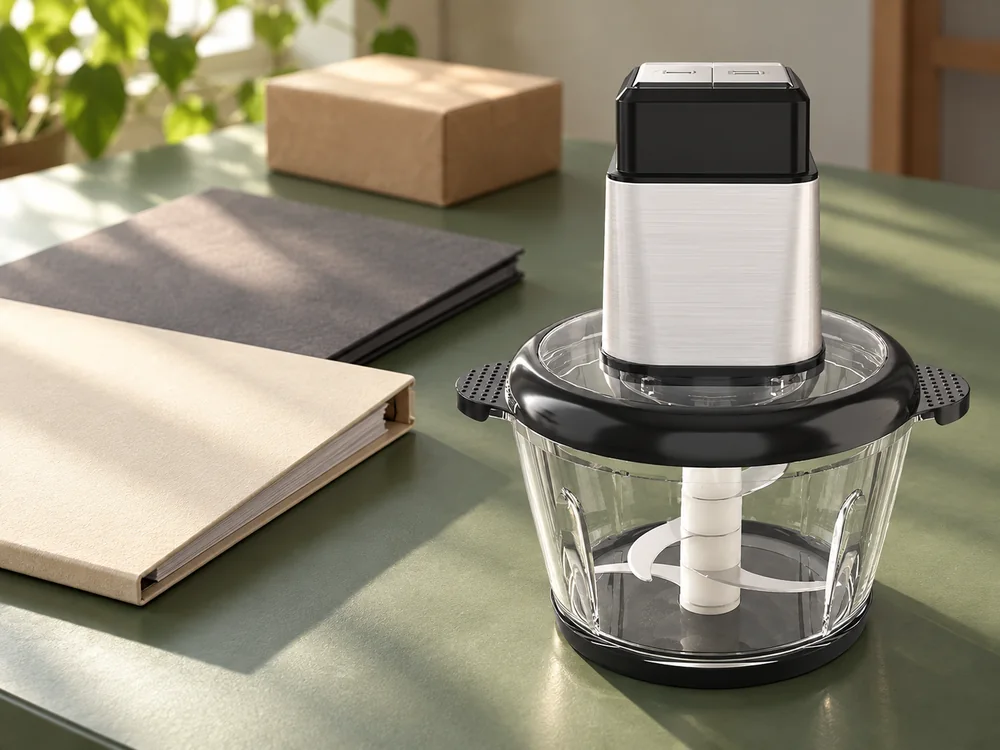
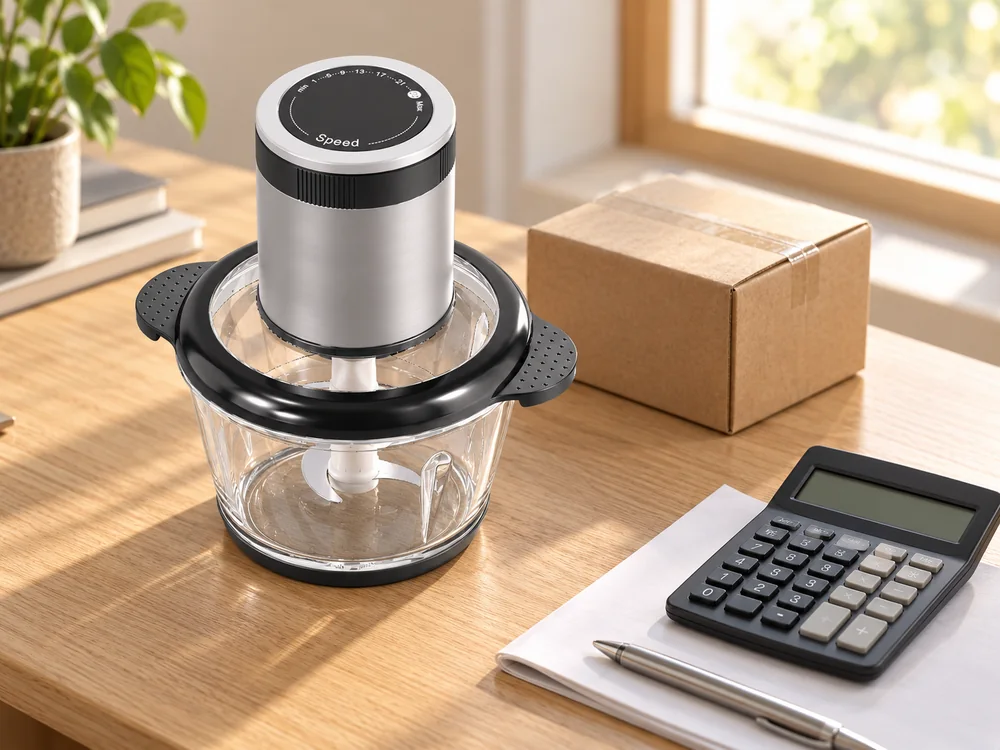
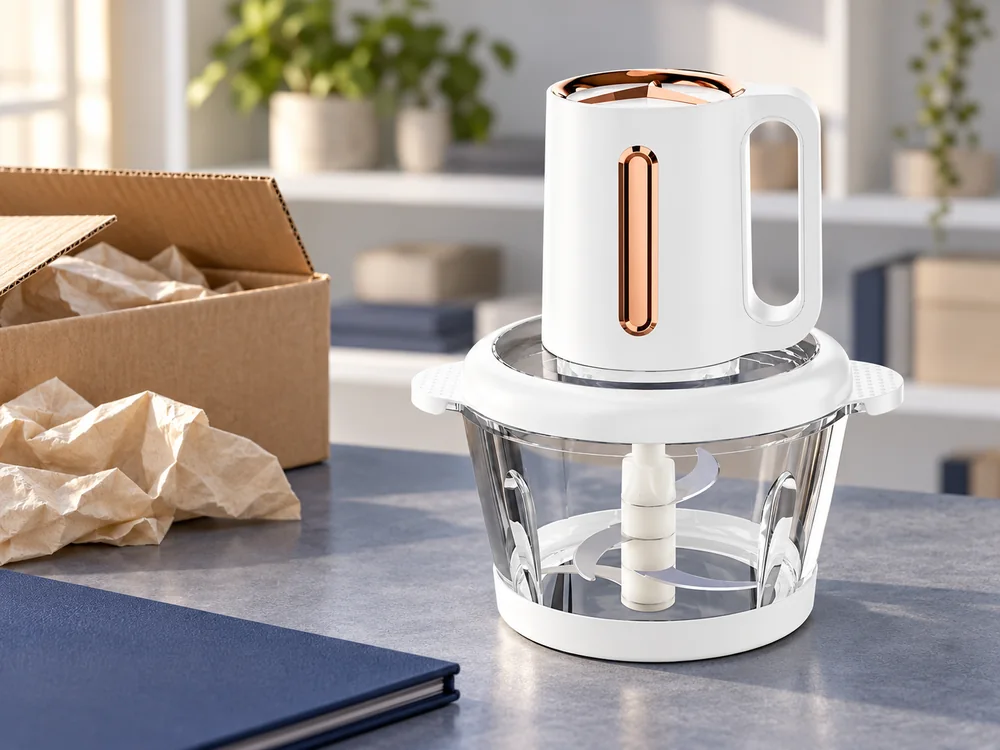
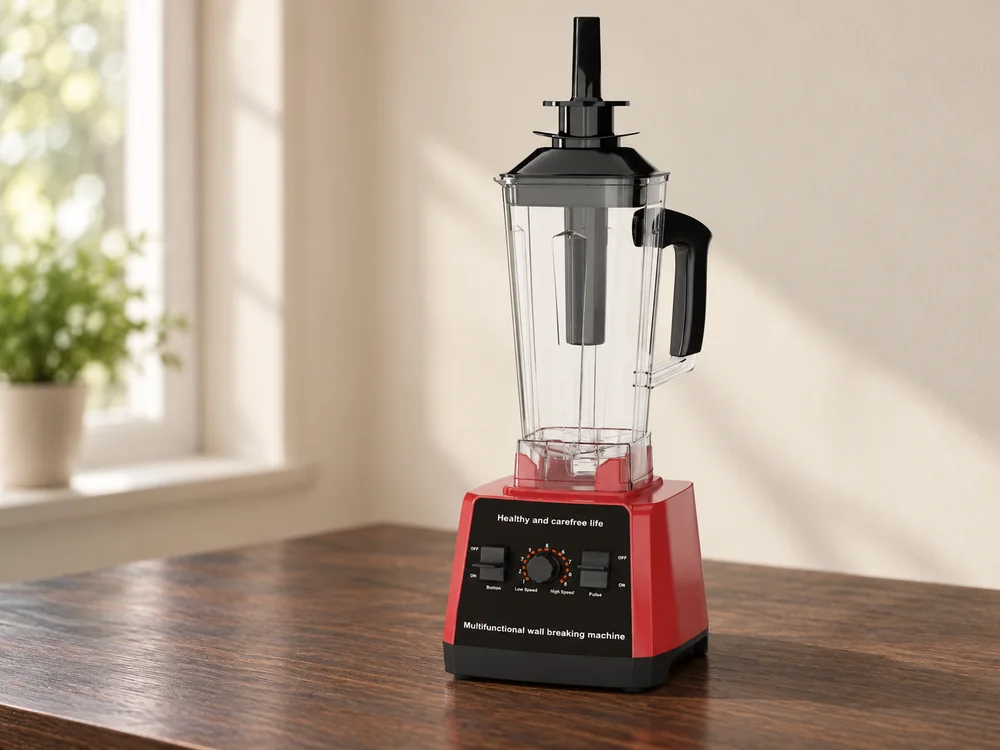
The product image should describe the offer being costed. A photograph with another jar, extra vessel or different panel can make the quoted product seem more generous than it is. Keep optional items visibly separate in the selling plan. Attractive photography cannot resolve a mismatch between the appliance and the purchase description.
For online retail, decide which product views explain the actual choice. A clear control close-up, an assembled-size reference and an accurate contents image can answer different customer questions. Buying several colors does not remove the need to explain the control version. Product content has its own preparation cost, even when the appliance itself is unchanged.
Obtain packed dimensions for the selected configuration before comparing delivery estimates. A nominal jar capacity is not a shipping dimension. If packing is still provisional, show that uncertainty in the commercial comparison rather than applying measurements from a visually similar blender. Keep the transport estimate attached to its actual packing basis.
When a channel asks for an exclusive version, distinguish an exclusive appearance from exclusive access to a product platform. A special color does not by itself establish either arrangement. Describe the requested territory, channel, duration and identifying differences, then ask what the supplier can agree. Leave exclusivity out of the sales promise unless the parties have settled it explicitly. This question can affect whether the buyer should invest in unique presentation or use an available model with ordinary branding.
Also decide how display units and saleable stock will be treated. A retailer may need an unpacked display appliance before the main intake. Request it separately if required and include its preparation and transport in the project budget. Do not quietly deduct it from a promised saleable quantity. The product used for photography should represent the final offered version, even if the photograph is produced before the shipment arrives.
Set commercial terms around the chosen platform
Once the product role is clear, negotiate the conditions that allow your business to sell and replenish it. These include the applicable minimum quantity, quote validity, payment events, preparation dependencies and the response to after-sales issues. None should be inferred from another model's offer.
JINJIE states that minimum quantities depend on the blender and customization requirements. Ask for conditions on the chosen model and each requested variation. If a quotation contains two control versions, establish whether the stated quantity applies to the total or separately to each version. An aggregate number can hide a larger commitment than the buyer intended.
Use the following questions to find terms that can change the product decision before the order is placed.
|
Commercial point |
Response to obtain |
Possible effect on selection |
|---|---|---|
|
Quantity basis |
Minimums for each model and requested variation |
Favor one defined version if a split range exceeds the opening commitment |
|
Quote validity |
What remains offered and until when |
Reconfirm an expired proposal before promising it to a retailer |
|
Custom materials |
Charges, ownership and treatment of unused quantities |
Limit channel-specific presentation where the residual exposure is too large |
|
Readiness |
Remaining dependencies and agreed delivery basis |
Use an established option when extra work conflicts with the launch |
|
Service arrangement |
Agreed handling of damage, missing items and reported faults |
Select an offer your team can support after sale |
|
Reorder conditions |
Configuration continuity and availability of the next order |
Avoid treating a first shipment as a standing stock commitment |
Ask how a replacement jar or lid would be identified if the business intends to offer that service. Standalone availability is a commercial question, and compatibility is a product question. Both need answers before the retail team promises a replacement-parts service. A similar appearance or shared capacity does not establish interchangeability.
Discuss the response to an issue rather than assuming a particular warranty remedy. The parties might agree a replacement, a credit or another defined arrangement, depending on the circumstances and the offer. Record the actual terms. Do not advertise an unconfirmed supplier response as part of your own customer promise.
The quality and testing page gives a starting point for discussing product checks and records. Match that discussion to the selected version. Inspection information helps assess the supplied appliance, while the commercial agreement determines how the parties handle a problem reported after delivery. Purchasing needs both conversations, without confusing their purposes.
For repeat orders, retain the reference that made the first purchase acceptable. Ask whether the same platform, control version and commercial conditions remain available before placing the next order. If an alternative is proposed, assess its effect on the retail offer before accepting it. An unchanged product name does not settle that question.
Decide which proposal deserves the opening order
The final choice should connect a customer reason to a product and a workable supply arrangement. Keep the selected model, included assembly and control description together. Then state which commercial condition remains decisive: quantity, readiness, customization expense or the agreed support route.
If two proposals fit, choose the one with the stronger reason for your channel. An importer building a recognizable private-label range might value an available presentation that it can repeat. A retailer testing a household category might prefer a narrower opening offer. These are different business choices, not evidence that one blender is universally superior.
When the offer is too costly, identify what can change without undermining the customer purpose. Deferring an optional color or special box finish may preserve the product. Removing the feature that explains its intended price tier may not. Ask for a defined alternative, so the revised price still corresponds to an offer the sales team understands.
If the unresolved issue is product use, finish that review before ordering. If it concerns an optional presentation, decide whether a supported existing option can proceed. This distinction prevents a minor preference from delaying a suitable product, while keeping a missing mandatory requirement from disappearing in a price negotiation.
Discuss the selected wholesale offer
Send JINJIE your blender purchasing requirements with the preferred model, target market, intended household use and estimated quantity. Explain the retail position and any branding or packaging requirements. Ask for the complete proposal and the remaining decisions needed to make it workable for your channel.
FAQ
How can two blenders with the same power support different price tiers?
Only through a difference the customer can understand and the product can support. Compare the actual controls, handling and complete supplied offer. Equal power entries do not make the products identical, but a different panel alone does not prove better blending. If no useful difference remains, avoid creating an artificial tier.
Is a new control panel worth requesting for one retailer?
First identify what that retailer needs to change. Available wording or presentation may answer the request without a new operating version. Ask for the full cost, quantity and readiness implications. Proceed with a special panel only when the channel value justifies the commitment and the confirmed functions remain clear.
Can I start with a standard appearance and add private labeling later?
Discuss both proposals separately. Confirm what can be supplied for the first order and what a later branded version would require. Do not assume that existing stock can be relabeled or that later customization has the same quantity conditions. Give each retail version accurate images and its own agreed purchasing description.
How should I plan a launch without a promise of continuous stock?
Base the launch on confirmed order readiness and your own distribution time. Ask about the next-order process before committing to ongoing retailer replenishment. Where future availability is uncertain, avoid promising an uninterrupted supply schedule. A planned factory order can support a channel, but it is not the same arrangement as local stock on demand.